Health officials are monitoring a cluster of meningitis cases in the Reading area of Berkshire following the tragic death of a young person and the hospitalization of two others. The UK Health Security Agency (UKHSA) has stepped in to manage the response, coordinating with local educational institutions and healthcare providers to mitigate further spread.
The situation has sparked concern among students and parents, particularly following reports linking the cases to a sixth-form college. While the emotional toll of the loss is significant, health authorities have been quick to reassure the wider community that the risk to the general public remains low.
Current investigations have confirmed that at least one of the cases was caused by Meningitis B (MenB), a particularly aggressive form of the disease. The UKHSA is currently awaiting further laboratory results for the other two individuals being treated. In response, prophylactic antibiotics are being administered to those identified as close contacts of the affected individuals to prevent further infections.
Public Health Response in Berkshire and Oxfordshire
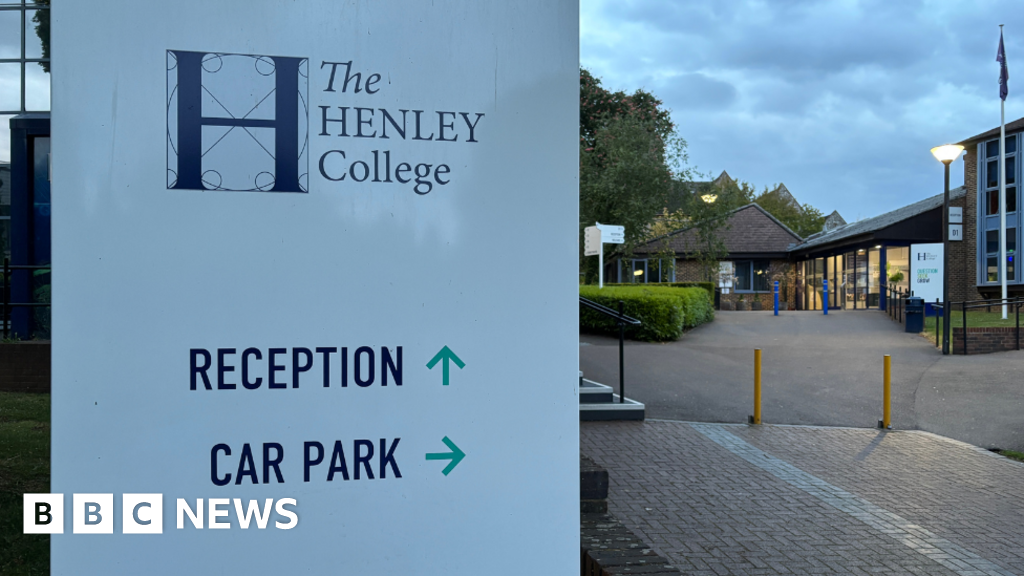
The response has extended beyond the borders of Reading into Oxfordshire, where the Hart Surgery in Henley-on-Thames confirmed it is working closely with the UKHSA. The agency is actively contacting individuals who may be at risk due to close associations with a student from Henley College who died from suspected meningococcal disease.
Despite the gravity of the situation, officials have emphasized that there is no need for alarm among those who have not been contacted. The UKHSA stated that information regarding the infection has been shared with parents and students at all affected schools. Because the number of confirmed cases is considered very low, authorities have indicated there are currently no plans to implement a local emergency meningitis vaccination programme.
Students and staff at the affected college have been advised that they can continue to attend classes as usual. The focus remains on targeted prevention—identifying high-risk contacts and providing immediate antibiotic treatment—rather than broad community intervention.
Understanding Meningitis B (MenB)
Meningitis is a serious inflammation of the meninges, the protective membranes surrounding the brain and spinal cord. When caused by bacteria, such as Neisseria meningitidis (the cause of meningococcal disease), it can progress rapidly and become life-threatening if not treated immediately. The NHS provides comprehensive guidance on the different types of meningitis and the urgency of medical intervention.
Meningitis B is a specific strain that can affect people of all ages but is often seen in teenagers and young adults. It is transmitted through close contact, typically via respiratory secretions (such as coughing or kissing) or sharing items like drinks and utensils. Because it can develop so quickly, the “window of opportunity” for treatment is narrow, making early detection critical.
The recent cases in Reading follow a similar pattern to an outbreak of MenB reported last month in Kent, which was linked to a nightclub in Canterbury. Such clusters are not uncommon in environments where young people congregate in close proximity, such as universities, colleges, and nightclubs.
Key Symptoms to Monitor
Recognizing the early signs of meningitis can be the difference between recovery and permanent disability or death. While symptoms can vary, the classic presentation in adults and teenagers often includes:
- High Fever: A sudden, sharp increase in body temperature.
- Neck Stiffness: Difficulty or pain when trying to touch the chin to the chest.
- Severe Headache: An intense headache that feels different from a typical tension headache.
- Light Sensitivity: Photophobia, or discomfort when exposed to bright light.
- Non-blanching Rash: A rash that does not fade when a glass is pressed against it (though Here’s more common in septicaemia and may not appear in all cases).
- Confusion or Lethargy: Unusual drowsiness, difficulty waking up, or sudden mental confusion.
Prevention and Protective Measures
The primary defense against meningococcal disease is vaccination. In the UK, the MenB vaccine is part of the routine childhood immunization schedule, but young adults may be eligible for boosters or specific vaccines depending on their risk profile and previous vaccination history.
For those identified as “close contacts”—such as housemates, partners, or very close friends—the UKHSA employs a strategy of chemoprophylaxis. This involves administering specific antibiotics to clear the bacteria from the nasopharynx, thereby reducing the likelihood of the contact developing the disease or passing it to others.
Public health experts recommend several general hygiene practices to reduce the risk of transmission in shared living or learning environments:
- Avoid sharing drinking glasses, water bottles, or cutlery.
- Maintain good hand hygiene through regular washing with soap and water.
- Ensure living spaces are well-ventilated.
- Stay up to date with all recommended vaccinations.
Comparison of Meningitis Types
| Type | Cause | Severity | Prevention |
|---|---|---|---|
| Bacterial | Bacteria (e.g., MenB, Pneumococcus) | Very High / Emergency | Vaccines & Antibiotics |
| Viral | Viruses (e.g., Enteroviruses) | Usually Mild to Moderate | General Hygiene / Some Vaccines |
| Fungal | Fungi (Rare) | High (usually in immunocompromised) | Antifungal Medication |
What Happens Next?
The UKHSA continues to monitor the two remaining patients and is awaiting final confirmation on the strain of meningitis affecting them. This data is crucial for determining if the cluster is linked to a single source or if it represents isolated cases of a circulating strain.
Local health authorities are expected to provide further updates as laboratory results are finalized. For now, the priority remains the support of the affected families and the continued monitoring of students at Henley College and other Reading-based institutions.
Anyone experiencing the symptoms mentioned above should seek immediate medical attention by calling emergency services or visiting the nearest Accident and Emergency (A&E) department.
Next Checkpoint: The UKHSA is expected to release updated findings once the laboratory results for the remaining two cases are confirmed.
We invite our readers to share this information with students and parents in the Berkshire and Oxfordshire areas. Please leave your comments or questions below.
Related reading