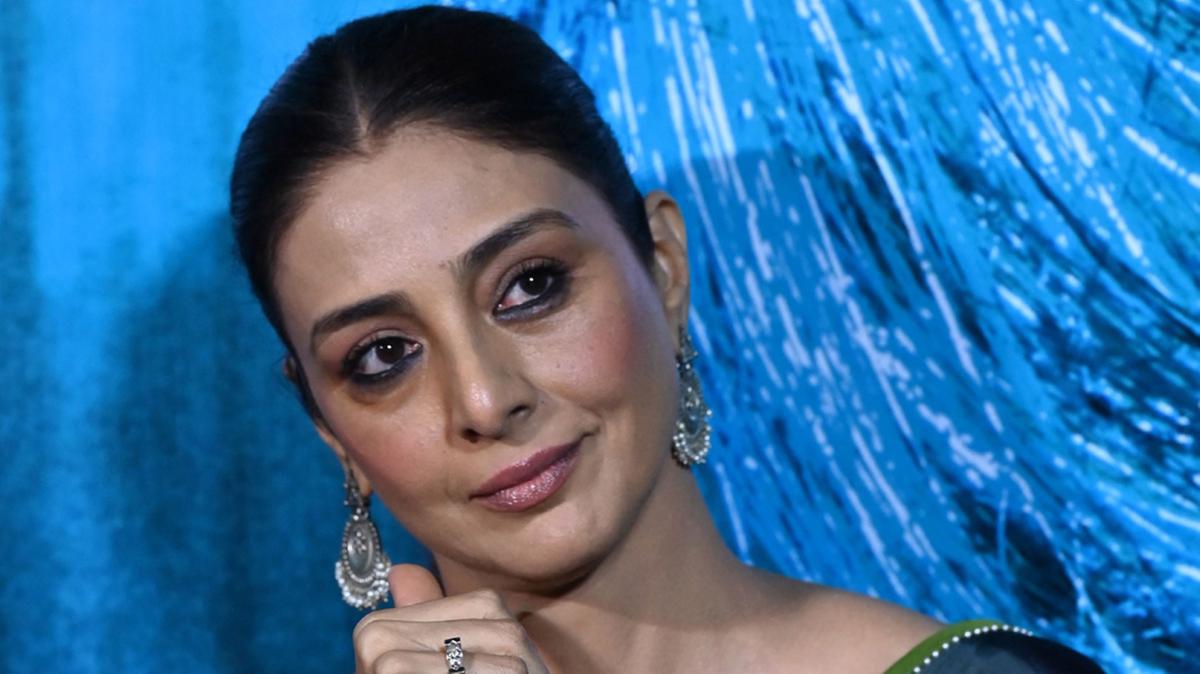
In an industry often defined by the relentless pursuit of youth and the curated perfection of image, veteran actor Tabu has emerged as a powerful voice against the systemic pressures placed on women. In a series of candid reflections, the acclaimed performer has challenged the societal obsession with the aging process, calling out the unfair scrutiny that actresses face as they move through different stages of their careers.
The conversation surrounding the ageism faced by women in cinema has long been a whispered grievance in film circles, but Tabu is bringing it into the light. By rejecting the traditional “safe” responses expected of celebrities, she is highlighting a stark gender disparity: the tendency for society to monitor and critique a woman’s age with a level of intensity that is rarely applied to her male counterparts.
Speaking with Harper’s Bazaar India, Tabu addressed the psychological toll of this scrutiny and the absurdity of an industry that often views aging as a liability rather than a natural evolution. Her perspective offers a necessary critique of the beauty standards that govern the entertainment world and the restrictive roles often assigned to women based on a number rather than their craft.
The Societal Obsession and the ‘Mirror’ Metaphor
One of the most poignant aspects of Tabu’s critique is her observation that the anxiety regarding a woman’s age often originates from external observers rather than the woman herself. She pointed out that the film industry and the public frequently project their own fears of aging onto actresses, attempting to remind them of their mortality in a way that feels intrusive and unnecessary.

“People are more worried about your age than you are yourself,” Tabu stated, reflecting on the constant judgment she has encountered. She further elaborated on this dynamic with a sharp metaphor, noting, “They want to show you the mirror, as though you don’t have one at home.” This sentiment underscores the performative nature of age-shaming in cinema, where the “mirror” is used not for reflection, but as a tool for correction or criticism.
This obsession often manifests in the types of roles offered to women as they age, or the harshness with which they are judged when they occupy roles that do not align with a narrow, youth-centric ideal. According to reports from Hindustan Times, Tabu believes women are judged significantly more harshly for aging in films than men, creating a professional environment where authenticity is often sacrificed for the sake of meeting an unrealistic societal standard.
Deconstructing the ‘Overnight’ Narrative of Aging
A recurring theme in Tabu’s discussion is the misconception that aging is a sudden, dramatic transformation—a “cliff” that an actor falls off. She pushed back against the idea that there is a specific moment when an actress suddenly becomes “too old” for certain roles or for the spotlight. Instead, she frames aging as a steady, daily experience that is shared by everyone.
“The person answering that question hasn’t aged overnight. We experience it every single day,” she explained. She highlighted the absurdity of the industry’s shock when an actor’s appearance changes over decades, adding, “It’s not like one day someone wakes up at 20 and next day they turn 45.”
By framing aging as a gradual process, Tabu challenges the “shock factor” often used by critics and tabloids to highlight the passage of time in a celebrity’s life. This perspective shifts the focus from the aesthetic result of aging to the lived experience of it, arguing that the gradual nature of the process should make it a non-issue in the professional evaluation of an actor’s capability.
Honesty Versus Industry Diplomacy
Beyond the aesthetics of aging, Tabu revealed the subtle pressures actors face when navigating the politics of the film industry. She admitted that she was frequently encouraged to adopt a more diplomatic, less direct approach when rejecting scripts or projects—a practice common among many in the business to avoid burning bridges or offending powerful producers.

Specifically, she noted that she was often advised to use “date issues” as a convenient excuse to turn down films. By claiming a scheduling conflict, an actor can reject a project without having to critique the script or the role, thereby maintaining a facade of professional harmony. However, Tabu chose a different path, opting for brutal honesty over industry diplomacy.
As detailed by the Times of India, Tabu refused to follow this unwritten rule of celebrity culture. Her decision to be honest about why she rejects certain roles is a reflection of her broader commitment to authenticity, extending from her public persona to her professional choices.
Why This Shift in Perspective Matters
Tabu’s refusal to provide “safe” answers is more than just a personal preference; We see a challenge to the culture of silence that often surrounds the pressures of the film industry. When a high-profile actor speaks openly about the gendered nature of ageism, it creates space for younger actresses to envision a career path that isn’t solely dependent on maintaining a youthful facade.
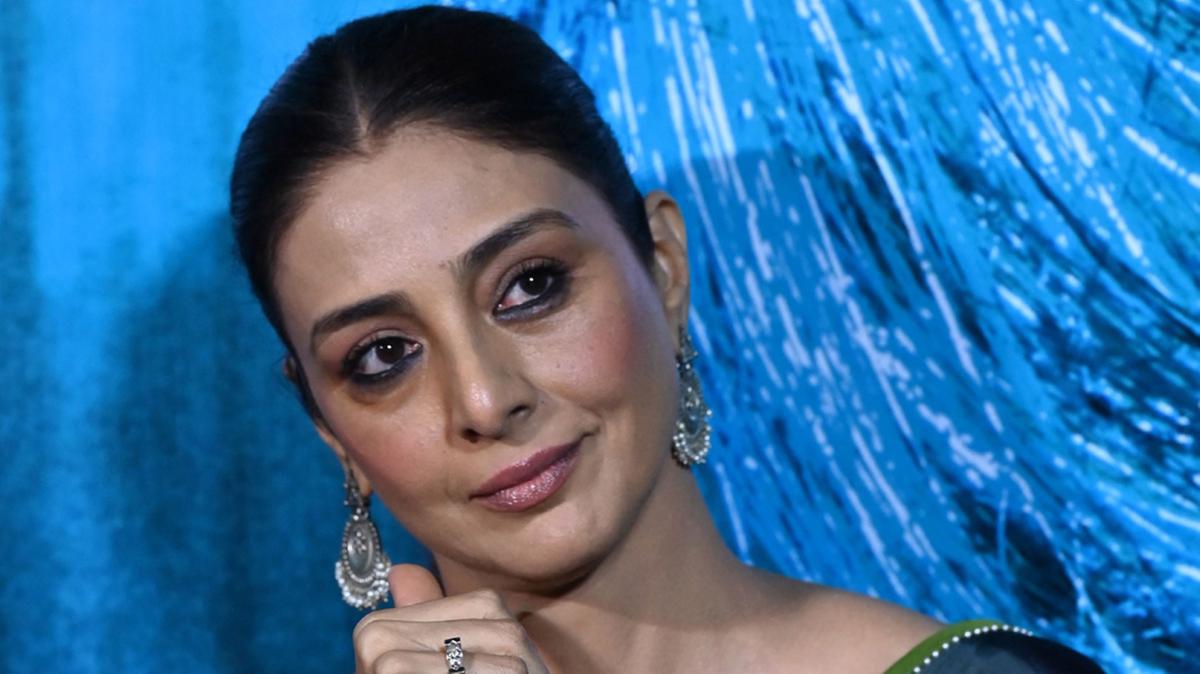
The impact of this conversation is multifaceted:
- Role Diversification: By challenging the “mirror” narrative, actors encourage writers and directors to create more complex, age-appropriate roles for women.
- Mental Health: Acknowledging the pressure of societal obsession with age helps dismantle the anxiety and insecurity often fostered by the industry’s beauty standards.
- Professional Integrity: Choosing honesty over “date issue” excuses fosters a more transparent environment where creative differences can be discussed openly.
For an audience that has watched Tabu evolve from a young star to a powerhouse of nuanced performances, her current stance serves as a validation of the idea that talent and depth only increase with time, contrary to the industry’s obsession with the opposite.
Conclusion and Future Outlook
Tabu’s recent reflections serve as a reminder that the fight against ageism in cinema is not just about the right to work, but the right to age with dignity and honesty. By dismantling the myth of the “overnight” change and rejecting the diplomacy of the “safe answer,” she is redefining what it means to be a veteran in the film industry.
As she continues her work—most recently seen in projects such as Bhooth Bangla—Tabu remains a pivotal figure in the movement toward a more inclusive and honest cinematic landscape. The conversation she has sparked regarding the ageism faced by women in cinema is likely to persist as more artists demand a shift in how society views the intersection of age, gender, and art.
The next phase of this evolution will likely be seen in the casting choices of upcoming major productions, as the industry grapples with the tension between traditional beauty standards and the growing demand for authentic representation.
Do you believe the film industry is doing enough to combat ageism for women? Share your thoughts in the comments below and join the conversation on social media.
Related reading