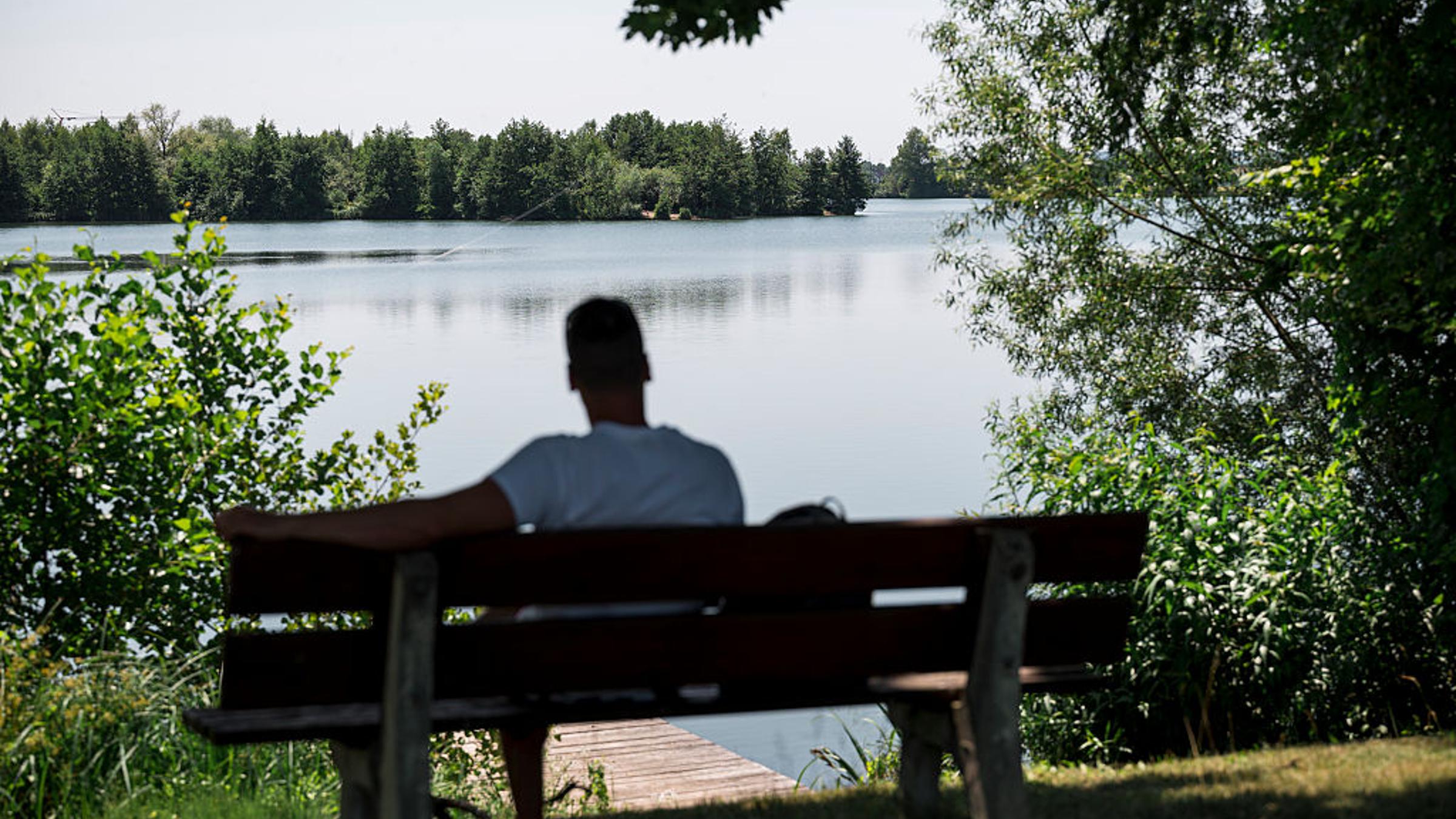
For many, the act of stepping outside is a reflexive response to a stressful day. Whether it is the scent of blooming lilacs in a backyard garden or the rhythmic sound of birdsong on a forest trail, these moments often provide an immediate sense of clarity and refreshment. While the general consensus has long been that the outdoors reduces stress, new scientific evidence suggests that the benefits go far deeper than a simple mood boost.
A landmark study has revealed that connecting with nature for mental wellbeing does more than just lower cortisol levels; it fundamentally alters how we perceive ourselves. By fostering a more positive relationship with our own physical selves, nature acts as a catalyst for overall life satisfaction, regardless of an individual’s age or gender identity.
This discovery comes from a massive cross-cultural analysis led by researchers at Anglia Ruskin University in Cambridge, England. In the largest survey of its kind, the team gathered data from over 50,000 participants, ranging in age from 18 to 99, across 58 different countries. The findings indicate that the bridge between the natural world and a better life experience is “positive body image”—a psychological state that transcends mere aesthetics.
According to Viren Swami, a professor of psychology at Anglia Ruskin University and the lead author of the study, positive body image is not about how a person looks in a mirror. Instead, it refers to a “love, respect, and care for the body.” Swami explains that individuals with high positive body image value their physical selves and appreciate the unique characteristics of their bodies, treating them with respect and care.
The Psychology of ‘Cognitive Quiet’ and Self-Compassion
The research identifies two primary mechanisms that explain why nature enhances our self-perception. The first is the cultivation of self-compassion, which the authors define as the ability to remain kind to oneself during times of despair. Engaging with the natural world—whether through hiking, stargazing, or simple birdwatching—facilitates a mental state known as “cognitive quiet.”
Cognitive quiet occurs when the mind is awakened and eased by the “softer senses” of the environment. Unlike the harsh, demanding stimuli of a city, the natural world allows the brain to process thoughts with significantly less mental strain. This reduction in cognitive load creates the emotional space necessary for individuals to be kinder and more forgiving toward themselves, directly boosting their sense of self-worth.
This process aligns with established psychological theories regarding how humans interact with their environment. When the mind is no longer forced to filter out disruptive noise or navigate complex urban hazards, it can shift from a state of high-alert survival to one of reflection and recovery. This shift is essential for those struggling with self-criticism or mental exhaustion.
Combating the Mental Fatigue of Urbanization
The second driver of life satisfaction identified in the study is the restorative power of nature in the face of urban strain. The modern human experience is increasingly defined by disconnection from the earth. Currently, approximately 50% of the global population lives in urban environments, according to World Bank data. In the United States, this figure is even more pronounced, with roughly 80% of the population residing in cities.
Urban living subjects the human nervous system to a constant barrage of “hard” stimuli: traffic noise, crowded sidewalks, and the blue light of screens. This environment creates a state of chronic mental fatigue that can erode a person’s sense of self and increase irritability and anxiety. The researchers found that taking a deliberate pause from this fast-paced existence is essential for maintaining a positive sense of self.
Even small, mindful interactions—such as watching a ladybug land on a hand or listening to the rustling of leaves—can help wash away the mental fatigue that weighs on a person’s mood. What we have is supported by previous research indicating that walking in nature is more mentally restorative than walking on a city street, as the former allows the nervous system to calm and reset.
The ‘Green’ and ‘Blue’ Effect on Wellbeing
While forests and parks are the most common associations with nature, the benefits are not limited to greenery. The study and broader environmental psychology highlight the importance of “blue spaces”—environments featuring water, such as rivers, lakes, and oceans. Spending time near water is similarly linked to mood elevation and mental restoration.

The threshold for these benefits is surprisingly low. Some research suggests that spending as little as 20 minutes in a local park, whether sitting on a bench or engaging in light exercise, can significantly improve wellbeing. This accessibility makes nature one of the most cost-effective tools for public health intervention.
Recognizing these benefits, the medical community has begun to integrate nature into formal healthcare. Over the last decade, there has been a growing trend of physicians writing “nature prescriptions,” encouraging patients to take regular walks in the outdoors to manage stress, hypertension, and depression. This shift treats the natural environment not as a luxury, but as a clinical necessity for mental health.
How to Effectively Reconnect with the Natural World
To reap the psychological rewards of the outdoors, the quality of the interaction matters more than the duration. Professor Viren Swami offers two critical pieces of advice for those looking to improve their life satisfaction through nature.
First, the “digital detox” is non-negotiable. Swami warns that spending time in nature while remaining tethered to a smartphone provides no greater benefit than staying indoors. The presence of the device maintains the mental strain and distraction that nature is meant to alleviate. To achieve “cognitive quiet,” the smartphone must be switched off or put away.
Second, the experience should be one of active curiosity rather than passive presence. This does not mean “switching off” the mind, but rather directing it toward the environment. The natural world is described as “softly fascinating,” meaning it captures our attention effortlessly without requiring the intense, focused concentration demanded by work or technology.
Practical ways to engage with this “soft fascination” include:
- Listening intently to the wind moving through different types of trees.
- Observing the gradual change of colors during a sunset.
- Focusing on the tactile sensation of soil or water.
- Identifying different bird calls during a morning walk.
The Broader Implications of Nature Disconnection
The findings of the Anglia Ruskin University study point to a larger systemic issue. As Swami notes, human beings today are more disconnected from nature than at any other point in history. This disconnection does not only impact individual mental and physical health; it also diminishes the human impulse to protect the environment.

When people feel a personal, psychological benefit from nature—such as an improved body image or a sense of inner peace—they are more likely to value and protect the natural world. The link between nature and self-esteem creates a feedback loop: by caring for the environment, we care for ourselves, and by feeling better about ourselves through nature, we are driven to preserve the habitats that sustain us.
For those living in dense urban cores where access to vast wilderness is limited, the research suggests that “micro-doses” of nature can still be effective. Tending to indoor plants, visiting a small community garden, or spending time in a city square with mature trees can provide a necessary reprieve from urban mental fatigue.
As society continues to urbanize, the integration of “biophilic design”—the practice of incorporating nature into architecture and urban planning—becomes critical. Ensuring that every citizen has access to green and blue spaces is no longer just an aesthetic preference; it is a requirement for a population’s psychological resilience and self-respect.
The evidence is clear: the outdoors is not merely a backdrop for recreation, but a vital component of the human psychological toolkit. By stepping away from the screen and into the wind, we do more than just relax—we rediscover a healthier, kinder version of ourselves.
World Today Journal will continue to monitor emerging research on environmental psychology and public health. For those seeking local nature preserves or guided wellness walks, we recommend consulting your local municipal parks department or healthcare provider for “green prescription” resources.
Do you find that your mood and self-perception change after spending time outdoors? Share your experiences in the comments below or share this article with someone who needs a reason to unplug today.
Related reading