Diplomatic Overtures in Washington: Israel-Lebanon Talks Yield ‘Positive’ Early Results Amidst Regional Tensions
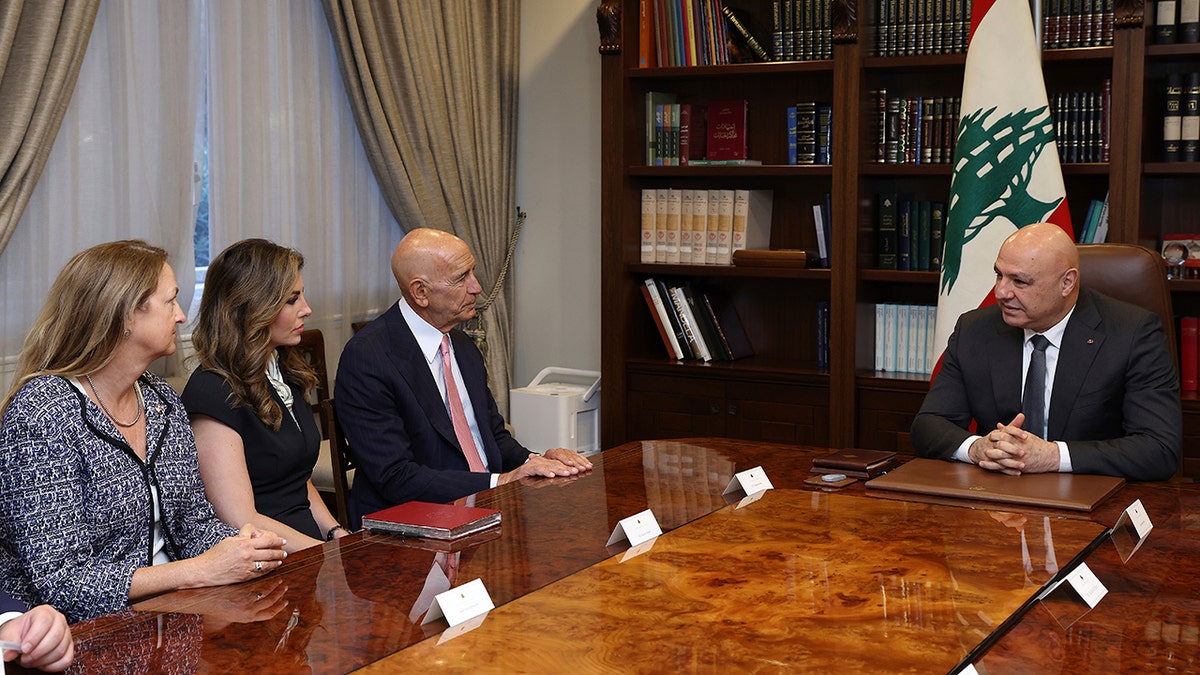
The corridors of the U.S. State Department are witnessing a rare moment of cautious optimism as diplomatic efforts to mediate between Israel and Lebanon show signs of progress. Following a high-stakes meeting in Washington, officials have described the initial rounds of dialogue as “positive,” signaling a potential, albeit fragile, opening for de-escalation in a region long defined by volatility.
The diplomatic push comes at a critical juncture. While negotiators work to establish a framework for stability, the reality on the ground remains fraught with tension. Military operations in Southern Lebanon continue to pose a significant challenge to the momentum of these talks, creating a landscape where diplomatic breakthroughs must contend with active hostilities.
As the international community watches closely, the success of these negotiations may hinge on the ability of mediators to reconcile the security requirements of Israel with the sovereignty and stability demands of Lebanon. The involvement of United States officials in hosting these discussions underscores the global importance of reaching a sustainable agreement to prevent further regional contagion.
The Washington Dialogue: A ‘Fruitful’ Start
The recent sessions in Washington, which commenced in mid-April, have been characterized by participants as a constructive step toward resolving long-standing disputes. Diplomatic observers note that the first day of these intensive discussions was particularly “fruitful,” providing a foundation for more complex technical negotiations regarding border security and ceasefire protocols.
The discussions, centered at the U.S. Department of State, aim to address the immediate triggers of conflict while seeking a long-term arrangement that can withstand the political pressures of both Jerusalem and Beirut. While specific details of the proposed frameworks remain confidential, the “positive” tone reported by officials suggests a shared recognition that the status quo is no longer tenable for either party.
However, the efficacy of these talks is being tested by the ongoing military situation. Reports indicate that as negotiations proceed, there has been a continued escalation of operations in Southern Lebanon. This “negotiation under fire” creates a paradoxical environment where diplomats are attempting to build trust while military actions on the ground continue to exacerbate local anxieties and regional instability.
Shifting Geopolitics: Trump, China, and the Iran Factor
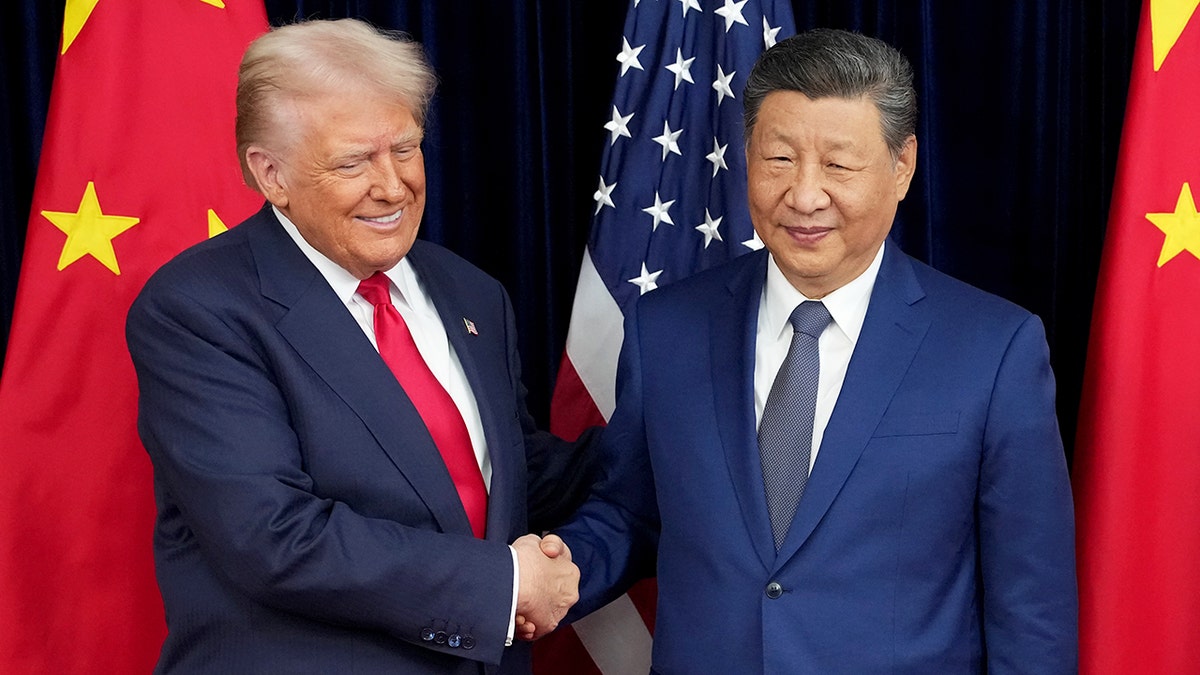
The diplomatic activity in Washington is not occurring in isolation. The broader Middle Eastern security architecture is undergoing a period of significant realignment, marked by shifting roles of global superpowers. In a notable development, President Trump has expressed support for China’s recent diplomatic maneuvers concerning Iran.
This acknowledgement of Beijing’s role suggests a potential shift in how the United States views Chinese influence in the Middle East. By praising China’s recent actions regarding Iranian diplomacy, the administration appears to be signaling an openness to multifaceted, multi-polar approaches to the Iranian nuclear and regional influence issues. This development could have profound implications for future multilateral agreements and the way regional powers navigate their relationships with both Washington and Beijing.
The intersection of China’s growing diplomatic weight and the ongoing efforts to manage Iran’s regional posture adds a layer of complexity to the Israel-Lebanon negotiations. A resolution in the Levant may eventually require a broader consensus that accounts for the interests and influence of these major global actors.
Intelligence and Security Complications
Adding to the complexity of the regional security landscape are emerging concerns regarding intelligence and espionage. Reports have recently surfaced concerning Monica Witt, a former U.S. Intelligence operative. The situation has drawn scrutiny due to allegations regarding her current affiliations and potential ties to Iranian interests.
While the full extent of the intelligence implications is still being assessed by security agencies, the case underscores the heightened state of vigilance currently maintained by Western and regional intelligence services. The potential for intelligence breaches and the involvement of former operatives in foreign interests remain a significant concern for those tasked with maintaining regional stability and protecting national security assets.
Key Takeaways
- Diplomatic Progress: Initial Israel-Lebanon talks in Washington have been described as “positive” and “fruitful” by officials.
- Military Tension: The diplomatic momentum is being challenged by continued military escalations in Southern Lebanon.
- Global Realignment: President Trump has signaled support for China’s recent diplomatic efforts regarding Iran, indicating a shift in regional power dynamics.
- Intelligence Concerns: Security agencies are monitoring developments regarding former intelligence operative Monica Witt and her alleged affiliations.
The next critical checkpoint in this diplomatic process will be the scheduled follow-up session of the negotiating committees, aimed at refining the preliminary agreements reached in April. The international community will be looking for evidence that diplomatic progress can outpace military escalation.
What do you think about the shifting roles of China and the U.S. In Middle East diplomacy? Share your thoughts in the comments below and share this report with your network.