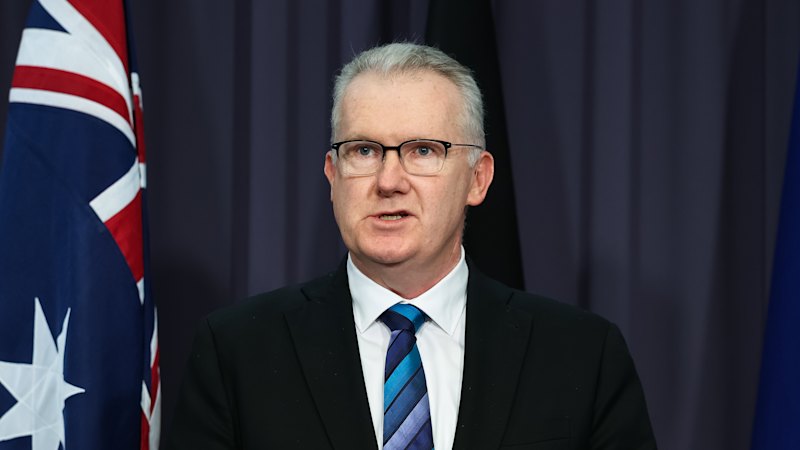
In a decisive move to dismantle far-right extremist networks, the Australian government has announced a significant escalation in its counter-terrorism strategy, targeting the group formerly known as the National Socialist Network (NSN). The group, which has increasingly aligned itself with the “White Australia” movement, now faces a stringent new legal framework that criminalizes both membership and the provision of support to the organization.
Under the newly reinforced legal measures, individuals found to be joining or providing material support to the group could face up to 15 years in prison. This legislative shift marks a turning point in Australia’s approach to domestic extremism, moving from a strategy of monitoring and surveillance to one of active criminalization and heavy judicial deterrence.
The crackdown, which has been framed by federal authorities as a necessary response to rising social instability and recent security threats, signals a “zero-tolerance” era for neo-Nazi ideologies within the country. The measures are being implemented as part of a broader national security overhaul designed to protect social cohesion and prevent the radicalization of citizens through extremist channels.
The Legal Shift: From Monitoring to Criminalization
The core of the government’s new strategy lies in the reclassification of the National Socialist Network and its associated “White Australia” movement as a prohibited entity. By elevating the legal status of the group, the Australian government has unlocked more aggressive prosecutorial tools under the national Criminal Code.
For years, law enforcement agencies had been tracking the movement’s activities—ranging from combat-style training sessions to highly choreographed public demonstrations. However, the ability to prosecute individuals simply for their association with or support for the group was previously limited by the high threshold required to prove direct involvement in terrorist acts. The new provisions bridge this gap, allowing authorities to target the infrastructure of the movement itself.
The potential 15-year prison sentence for membership or support is designed to act as a powerful deterrent. Legal experts suggest that the definition of “support” is particularly significant; it may extend beyond financial contributions to include the dissemination of extremist propaganda, the organization of recruitment events, or even certain types of digital advocacy on social media platforms. This expansion of the law is intended to disrupt the “ecosystem” of the group, making it increasingly difficult for members to operate in the shadows of the internet or in private training camps.
The Rise of the National Socialist Network
To understand the severity of the government’s response, one must examine the evolution of the National Socialist Network. Once a relatively fringe group operating on the periphery of extremist circles, the NSN has demonstrated a sophisticated ability to adapt and rebrand. The recent shift toward the “White Australia” moniker is seen by analysts as an attempt to mask its neo-Nazi roots behind a more “nationalist” or “identity-based” veneer, making it more palatable to a broader, albeit still radicalized, audience.

The group’s tactics have frequently relied on “shock” tactics—sudden, unannounced appearances in public spaces designed to provoke a reaction and generate viral social media content. These activities often involve members wearing paramilitary-style clothing and engaging in aggressive posturing. Beyond public spectacles, the group has also focused on internal cohesion through physical training, including combat-style boxing sessions, which authorities argue are intended to prepare members for potential civil unrest or violent confrontation.
The rebranding to “White Australia” is not merely cosmetic. It represents a strategic pivot toward a more localized, populist rhetoric that seeks to exploit existing social tensions regarding migration and national identity. By framing their ideology as a defense of “Australian heritage,” the group has attempted to move from the extreme margins toward the center of political discourse, a move that has prompted the government to act with increased urgency.
The ‘Bondi’ Context and National Security Policy
The timing of this crackdown is not coincidental. The Australian government’s intensified focus on extremist groups follows a period of heightened security concerns, most notably the fallout from significant security incidents in the Bondi area. While the government has been careful to distinguish between general criminal activity and targeted terrorism, the “post-Bondi” era has seen a fundamental shift in how the Home Affairs Department assesses risk.
This shift is characterized by a move toward “preventative” enforcement. Rather than waiting for a group to transition from rhetoric to violence, the government is now utilizing its powers to intervene at the stage of radicalization and organizational growth. This includes the sharpened use of character-based powers under the Migration Act, which allow the government to cancel visas for non-citizens whose presence is deemed a risk to community safety or social cohesion.
Home Affairs Minister Tony Burke has been a central figure in this policy evolution. The administration has emphasized that the ability to remove foreign nationals with extremist ties is a critical component of maintaining national stability. By linking the prevention of extremist growth to the broader concept of “community safety,” the government has created a more robust legal and political mandate for these aggressive interventions.
Implications for Civil Liberties and Social Cohesion
While the government maintains that these measures are essential for public safety, the crackdown has ignited a complex debate regarding civil liberties and the scope of state power. Human rights advocates and legal scholars have raised concerns about the potential for “overreach,” particularly concerning the definition of “support” for a banned group.
The primary concern is the “chilling effect” such laws might have on legitimate political activism. If the line between radical political expression and criminal support becomes blurred, there is a risk that individuals participating in lawful, albeit controversial, political discourse could find themselves targeted by the state. The use of social media associations as a metric for risk assessment is a particularly sensitive area, as it raises questions about privacy and the monitoring of digital speech.
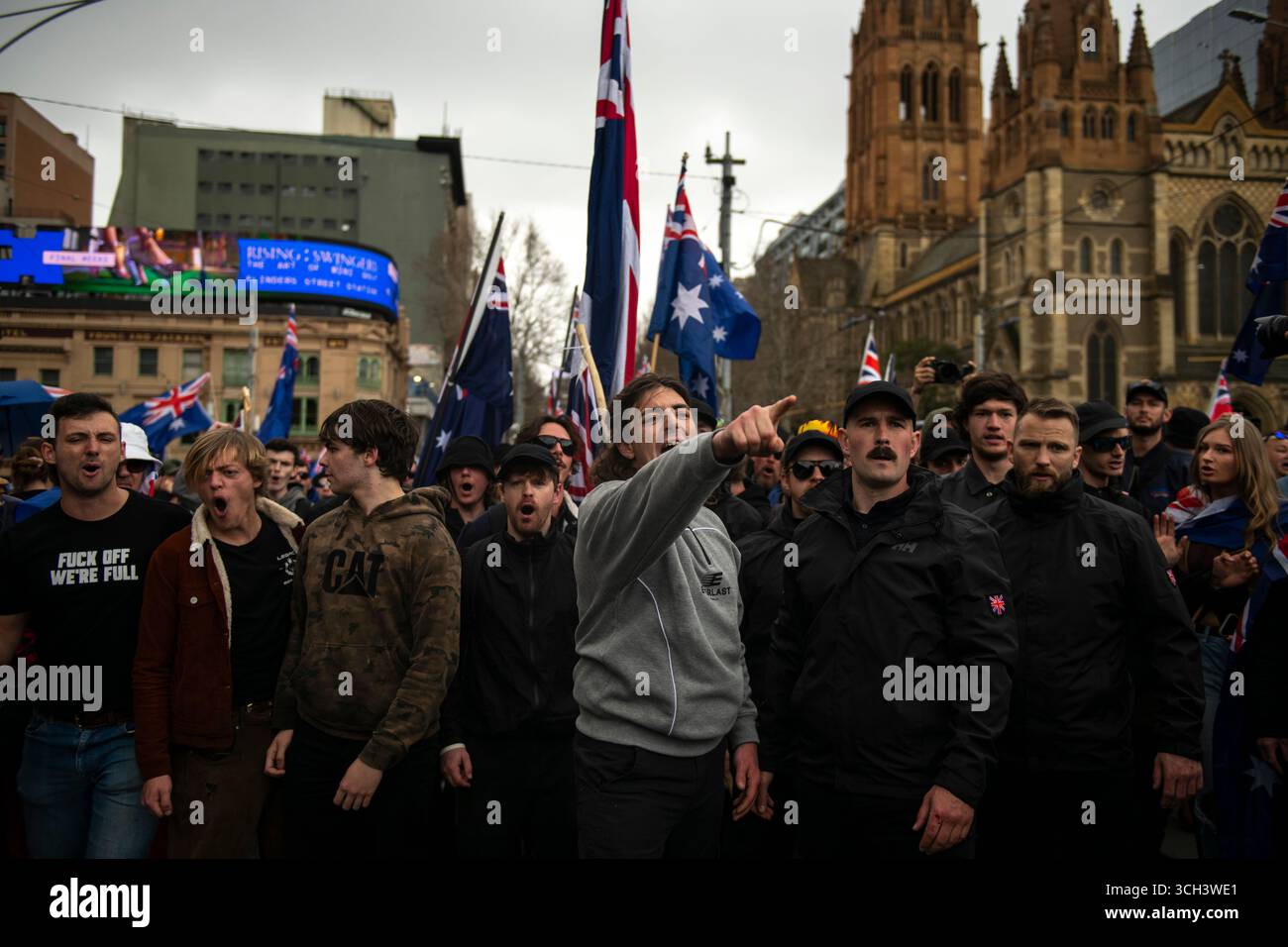
However, proponents of the law argue that the rights of the individual must be balanced against the collective right to security. They contend that groups like the National Socialist Network do not engage in “discourse” in any traditional sense, but rather aim to destabilize the democratic order through intimidation and the promotion of hate. The 15-year penalty is a proportionate response to a group that poses a direct threat to the foundations of a multicultural society.
The challenge for the Australian judiciary will be to navigate this tension—ensuring that the crackdown effectively dismantles extremist networks without infringing upon the fundamental freedoms that define the nation.
Global Context: Australia in the Fight Against Extremism
Australia’s move is part of a broader global trend in which Western democracies are increasingly adopting more stringent laws to combat the rise of far-right extremism. Countries such as Germany and France have long maintained strict regulations and bans on neo-Nazi organizations, and Australia’s recent actions bring its legal framework closer to these established models.
As extremist ideologies become more decentralized and digitally driven, the ability of a single nation to contain them is limited. However, by implementing harsh domestic penalties, Australia is sending a clear signal to international networks that it will not be a safe haven for extremist organizers or a platform for the promotion of hate-based ideologies. This “hardline” approach is expected to influence how other nations in the Indo-Pacific region approach the burgeoning threat of radicalized domestic movements.
Key Takeaways
- New Penalties: Membership or support for the “White Australia” / National Socialist Network can result in up to 15 years in prison.
- Rebranding: The group is transitioning from the “National Socialist Network” to the “White Australia” movement to appeal to broader nationalist sentiments.
- Strategic Pivot: The crackdown follows a shift toward “preventative” security measures in the wake of recent security incidents in Bondi.
- Legal Mechanisms: The government is utilizing both the Criminal Code for terrorism offenses and the Migration Act for character-based deportations.
- Global Trend: Australia is aligning its counter-extremism policies with other major Western democracies that have long banned neo-Nazi organizations.
As the new laws move into the implementation phase, the focus will shift to the courts. The first major test of these provisions will likely involve the prosecution of individuals identified as high-level organizers or those providing significant digital and financial support to the group.
Next Checkpoint: Watch for upcoming judicial rulings regarding the first wave of prosecutions under the revised Criminal Code provisions.
What are your thoughts on the balance between national security and civil liberties in this context? Share this article and join the conversation in the comments below.
Worth a look