
Germany’s healthcare landscape is currently navigating one of its most significant structural shifts in decades. At the heart of this transformation is the statutory health insurance system, known locally as Gesetzliche Krankenversicherung (GKV), which provides coverage for approximately 90% of the German population. As contribution rates face upward pressure, a critical debate has emerged: can the medical community move from being subjects of reform to active architects of a more sustainable system?
The financial stability of the GKV is under increasing strain, driven by an aging demographic, the rising costs of medical innovation, and the complexities of a post-pandemic economic environment. For the millions of citizens who rely on the “solidarity principle”—whereby those with higher incomes contribute more to support those with less—the prospect of rising premiums is a growing concern. This tension has placed the German Federal Ministry of Health and various medical associations at a crossroads, seeking a path that maintains high-quality care without compromising economic viability.
The central question facing policymakers and practitioners alike is whether structural changes, rather than mere incremental adjustments to contribution rates, can stabilize the system. This requires a fundamental rethinking of how services are reimbursed, how hospitals are funded, and how digital technologies can be integrated to drive efficiency. As the debate intensifies, the role of physicians in driving these changes has become a focal point for long-term healthcare sustainability in Germany.
The Rising Cost of Care: Understanding GKV Financial Pressures
The German statutory health insurance system is built on a foundation of mandatory contributions from both employers and employees. However, the “Zusatzbeitrag”—an additional contribution rate set by individual health insurance funds—has become a significant variable in the total cost of coverage for German workers. As the costs of treating chronic illnesses and implementing new pharmaceutical breakthroughs rise, insurance funds have frequently been forced to increase these supplemental rates to maintain their reserves.
Several factors are contributing to this fiscal tightening:
- Demographic Shifts: An aging population means a higher proportion of the insured population requires more intensive and frequent medical interventions, increasing the total volume of care required.
- Medical Innovation: While new therapies and advanced diagnostics offer better patient outcomes, they often come with high price tags that test the limits of the GKV’s budget.
- Labor Market Dynamics: Changes in employment structures and the rising cost of labor impact the total pool of contributions available to the system.
For the average insured individual, these factors translate into higher monthly deductions from their paycheck. While the system is designed to be resilient, the continuous upward trend in contributions has sparked calls for more aggressive structural reforms to prevent “premium shocks” for the workforce.
The Physician-Insurer Tension: A Structural Conflict
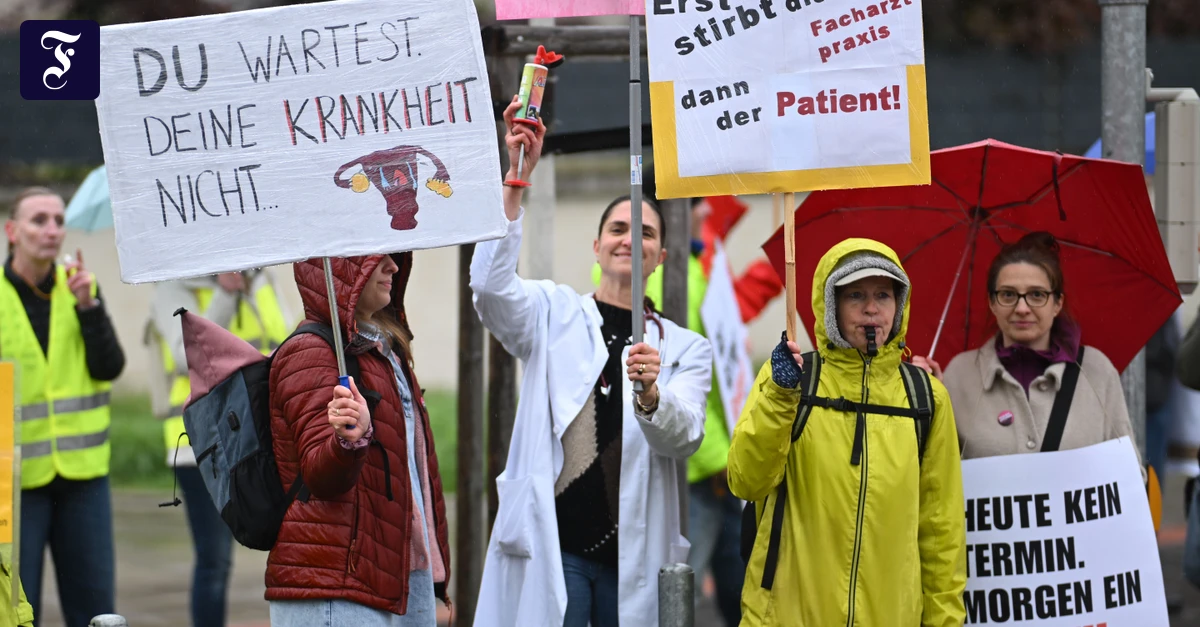
A primary driver of the current debate is the inherent tension between healthcare providers (physicians and hospitals) and the health insurance funds (Krankenkassen). In the German model, physicians often operate within strict budget frameworks. For outpatient doctors, these budgets are managed through the Kassenärztliche Vereinigungen (KV), which act as intermediaries between doctors and insurance funds.
When medical costs exceed the predefined budgets for a specific region or specialty, it can lead to friction regarding reimbursement rates. Physicians often argue that these budget caps limit their ability to provide necessary care and increase their administrative burden, while insurers maintain that controlling provider costs is the only way to keep contribution rates stable for the public. This “tug-of-war” over resources has historically led to a reactive approach to reform, where changes are made to address immediate deficits rather than long-term systemic health.
Experts suggest that for the system to evolve, the relationship must shift from one of confrontation to one of collaborative management. This would involve moving away from purely volume-based reimbursement models toward those that reward quality of care and long-term patient outcomes, thereby reducing the long-term cost of treating preventable complications.
Major Reform Pillars: Hospital Reform and Digitalization
To address these deep-seated issues, the German government, led by Federal Health Minister Karl Lauterbach, has been advancing several high-stakes reform packages. One of the most critical is the hospital reform (Krankenhausreform), which aims to fundamentally alter how hospitals are financed. Traditionally, German hospitals have relied heavily on Diagnosis Related Groups (DRGs)—a system where funding is tied to the number and type of procedures performed.
The proposed reform seeks to introduce “provision fees” (Vorhaltepauschalen), which would provide hospitals with a guaranteed baseline of funding to maintain essential services, regardless of the exact number of procedures. This shift is intended to:
- Reduce Unnecessary Procedures: By decoupling funding from the volume of cases, the incentive to perform more surgeries just to cover costs is diminished.
- Ensure Specialized Care: It allows smaller, specialized hospitals to remain viable by ensuring they are compensated for being “ready” to provide critical care, even during periods of lower patient volume.
- Improve Quality: Focusing on readiness and specialized expertise rather than sheer throughput can lead to higher standards of patient safety.
Parallel to the hospital reform is the massive push for digital health integration. The implementation of the elektronische Patientenakte (ePA), or electronic patient record, is a cornerstone of the government’s strategy to modernize the GKV. By creating a unified, digital repository of patient data, the system aims to reduce redundant testing, prevent dangerous drug interactions, and streamline communication between different tiers of care—from the family doctor to the specialist.
From a technology perspective, the successful rollout of the ePA is not merely an administrative upgrade; We see a vital economic tool. Efficient data flow can significantly lower the “hidden costs” of healthcare, such as the time lost to manual record transfers and the financial waste of repeating diagnostic tests that have already been performed elsewhere.
The Path Forward: Physicians as Drivers of Change
The conversation is increasingly turning toward the proactive role that medical professionals can play in stabilizing the GKV. Rather than merely reacting to new regulations or budget cuts, there is a growing argument that physicians should lead the charge in implementing more efficient care models. This includes the adoption of digital tools, participation in integrated care networks, and a greater focus on preventative medicine.
By embracing digitalization and participating in the design of new reimbursement models, the medical community can help ensure that reforms are practical and clinically sound. For instance, if physicians can demonstrate that digital monitoring and preventative interventions reduce the frequency of expensive hospitalizations, they provide a powerful economic argument for the continued stability of the GKV.
Key Takeaways for the Healthcare Landscape
- Fiscal Pressure: Rising contribution rates (Zusatzbeitrag) are a direct response to demographic changes and rising medical costs.
- Structural Shifts: The German government is moving toward a hospital funding model based on “readiness” (Vorhaltepauschalen) rather than just procedure volume.
- Digitalization as an Economic Tool: The electronic patient record (ePA) is central to reducing waste and improving care efficiency.
- Collaborative Reform: Long-term stability requires a shift in the relationship between physicians and insurers from conflict to shared goal-setting.
Conclusion and Next Steps
The future of the German statutory health insurance system depends on its ability to adapt to a new era of medical and economic reality. While the challenges—ranging from rising costs to structural inefficiencies—are significant, the proposed reforms in hospital funding and digital integration offer a roadmap toward a more resilient system. The success of these initiatives will ultimately depend on the degree to which policymakers and the medical community can work in tandem to balance high-quality care with fiscal responsibility.
Next Checkpoint: Stakeholders will be closely monitoring the upcoming legislative sessions and implementation phases of the Krankenhausreform to assess how the transition to provision-based funding affects hospital stability and patient access.
What are your thoughts on the proposed changes to German healthcare? Can digitalization truly offset the rising costs of an aging population? Share your views in the comments below and share this article with your network.