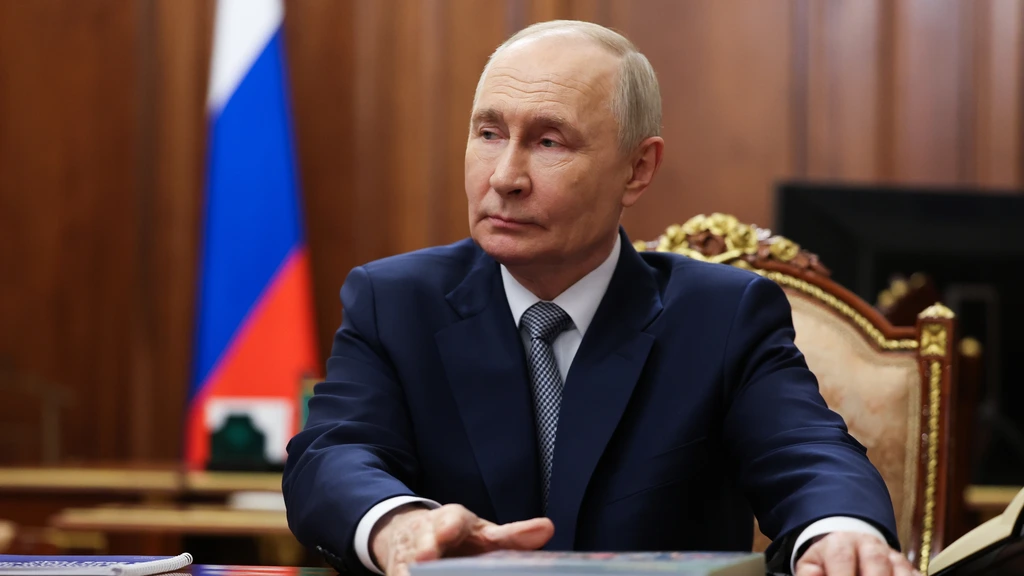
MOSCOW — The echoes of boots on Red Square have faded, but the questions surrounding the stability of the Kremlin are only growing louder. Following the annual Victory Day celebrations on May 9, 2026, a complex narrative has emerged regarding Vladimir Putin’s political control. While the Russian leadership continues to project an image of absolute authority, the character of this year’s festivities has left international observers and geopolitical analysts debating whether the Kremlin is projecting strength or masking rising internal pressures.
For decades, the May 9 parade has served as the ultimate showcase of Russian military might and national unity. However, the 2026 iteration was marked by a noticeable shift in scale and atmosphere. This subdued display has fueled speculation that the Kremlin is navigating a period of significant transition, balancing the need for traditional displays of power against the mounting economic and security realities of an ongoing protracted conflict.
In the corridors of power, the central question remains: is the current atmosphere a sign of calculated strategic caution, or does it indicate that the “tight grip” on the country’s political and military levers is facing unprecedented strain? To understand the current state of Vladimir Putin’s political control, one must look beyond the choreographed movements on Red Square and into the shifting security and political landscapes of modern Russia.
A Subdued Display: The Changing Face of Victory Day
The 2026 Victory Day parade was characterized by many observers as being significantly more restrained than in previous years. For a nation that has historically used these ceremonies to signal invincibility, the reduction in the scale of the military procession is a detail that cannot be overlooked. The absence of the massive, sweeping displays of heavy hardware that once defined the event suggests a pivot in how the Russian state chooses to present its military readiness to both a domestic and global audience.

This shift in presentation may be interpreted in several ways. From a domestic perspective, a smaller, more controlled parade can be seen as an attempt to minimize the visibility of resource allocation—specifically the heavy costs associated with maintaining a large-scale military parade during a period of intense wartime expenditure. From a strategic standpoint, it may also reflect a desire to avoid overextending military assets or personnel in ceremonial roles when frontline requirements are paramount.
However, for the international community, the diminished spectacle has become a focal point for analyzing the health of the Russian state. When the traditional symbols of hegemony are scaled back, it often signals a period of consolidation or, conversely, a period of managing scarcity. The 2026 parade has provided a visual metric for a government that appears to be operating under a more constrained set of circumstances than its predecessors.
The Kremlin Paradox: Absolute Control Amidst Growing Pressure
Despite the visual cues from the parade, the central ten than of the Kremlin remains one of centralized, decisive leadership. Analysts note a persistent paradox: while Notice visible signs of mounting pressure—economic, social, and military—the mechanisms of Vladimir Putin’s political control appear to remain largely intact. The Russian state continues to function with a high degree of verticality, with decision-making concentrated within a narrow circle of elite stakeholders.
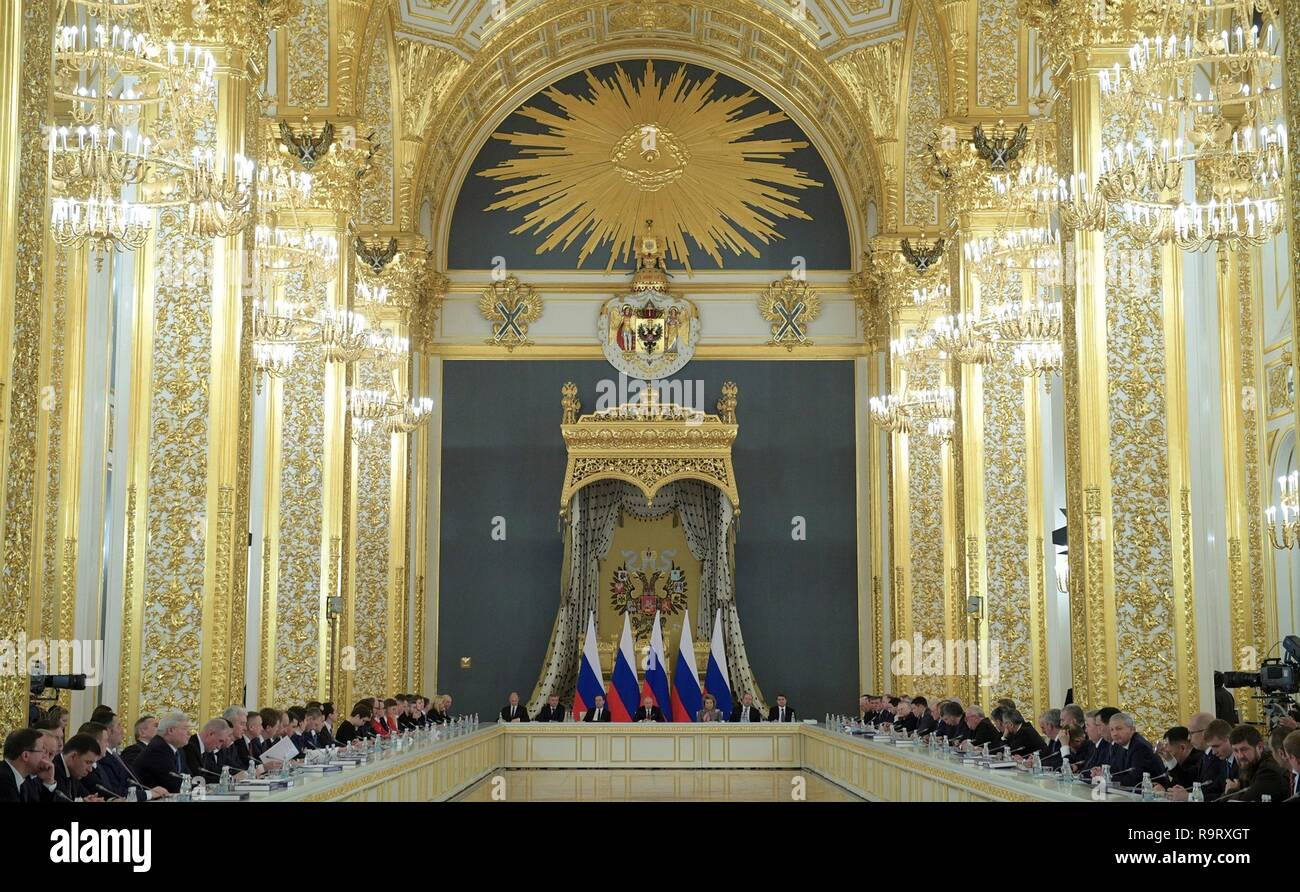
Yet, the phrase “something is happening” has become a recurring theme in discussions regarding the internal dynamics of the Russian leadership. This sentiment does not necessarily imply a collapse of power, but rather a heightened state of tension within the ruling apparatus. The pressures are multifaceted:
- Economic Strain: The long-term impact of international sanctions and the redirection of the national budget toward military objectives continue to test the resilience of the Russian economy.
- Military Logistics: The ongoing conflict requires a constant and massive influx of resources, creating friction points between different branches of the security services and the industrial complex.
- Social Cohesion: Managing public sentiment in a country facing the prolonged realities of war remains a significant task for the Kremlin’s propaganda and administrative machines.
The ability of the presidency to navigate these competing pressures without a visible fracture in the leadership hierarchy is what defines the current era of Russian politics. The Kremlin remains a monolith, but It’s a monolith that is increasingly forced to manage internal complexities that were less prominent in previous decades.
Security Realities and the Shift in Moscow’s Defense Posture
One of the most significant drivers of the change in Moscow’s public atmosphere is the evolving security landscape. The threat of drone warfare has fundamentally altered the way the Russian capital approaches large-scale public gatherings. The vulnerability of urban centers to long-range unmanned aerial vehicles (UAVs) has necessitated a much more rigorous and visible security apparatus in Moscow.
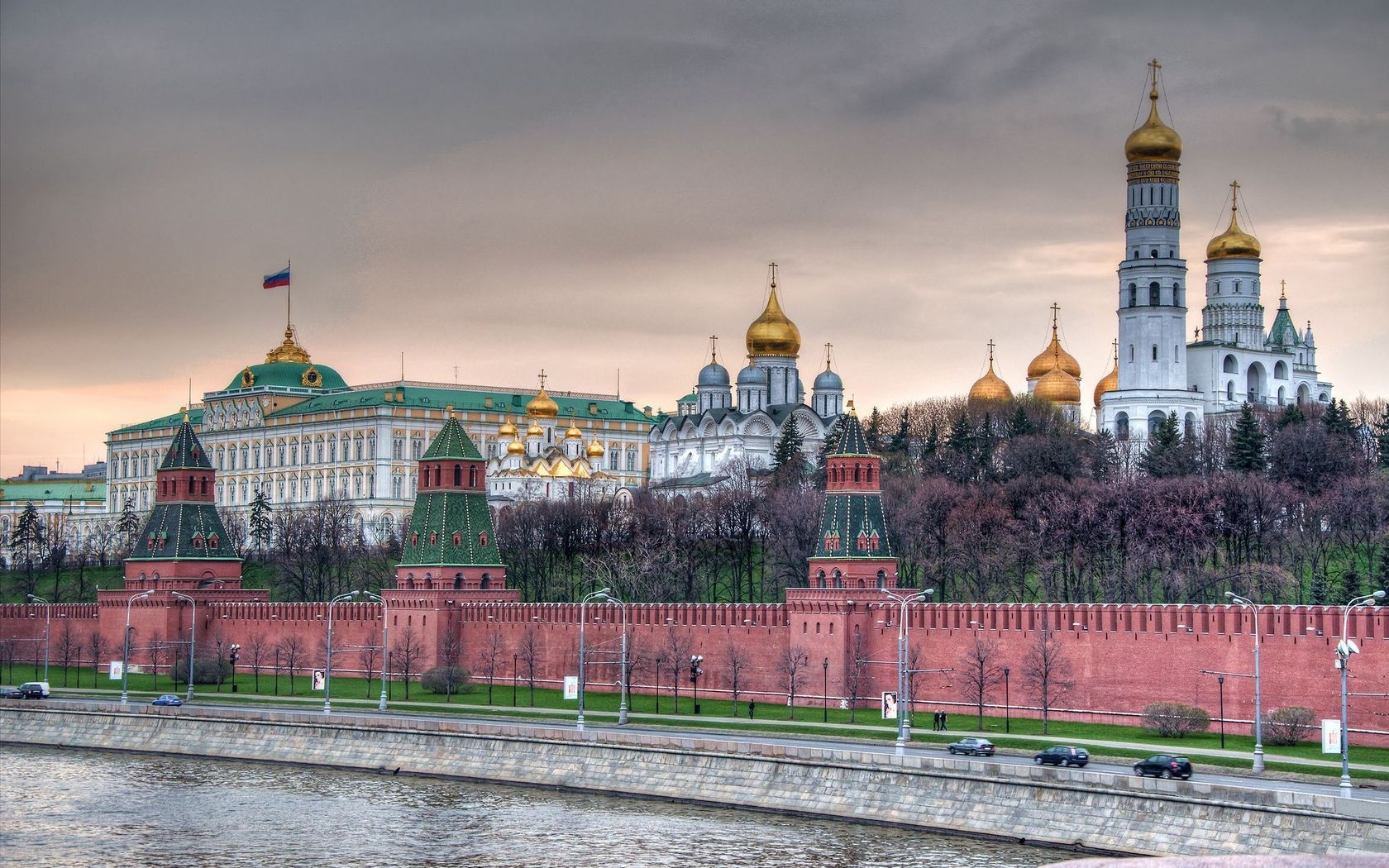
This heightened security presence is not merely a matter of police visibility; it represents a fundamental shift in the city’s defensive posture. The necessity of protecting high-profile events like Victory Day from potential aerial incursions has led to increased electronic warfare activity and more stringent airspace controls. These measures, while necessary for public safety, also serve as a constant reminder of the reach of the conflict into the heart of the Russian state.
In Kyiv, the reaction to the Moscow celebrations has been one of pointed observation. The ability of Ukrainian forces to conduct operations that challenge Russian airspace has become a key component of the psychological dimension of the war. For the Kremlin, the challenge is to maintain the illusion of an impenetrable domestic sanctuary while simultaneously managing the practical reality of a contested sky. The security protocols seen in 2026 are a direct response to this reality, reflecting a state that is increasingly on the defensive, even when conducting its most celebrated national rituals.
Geopolitical Implications: What Happens Next?
The events surrounding the 2026 Victory Day celebrations carry significant weight for the broader geopolitical order. The way the Russian state manages its internal stability and its external image will dictate the tempo of the conflict in Ukraine and the nature of Russia’s relations with the West and the Global South.
If the Kremlin can continue to project an image of stability despite the evident pressures, it may successfully deter further escalations from its adversaries. However, if the “subdued” nature of recent events is a precursor to more significant internal shifts, the global community may be looking at the beginning of a new, more volatile chapter in Eurasian politics. The intersection of military capability, economic endurance, and domestic political control will remain the primary axis upon which the future of the region turns.
Key Takeaways: The 2026 Victory Day Context
- Scaled-Back Ceremony: The 2026 Victory Day parade was notably smaller than historical norms, suggesting a shift in how the Kremlin manages resources and military visibility.
- Security Evolution: Heightened drone threats have forced a significant increase in Moscow’s defensive and electronic warfare protocols during public events.
- Leadership Stability: While internal pressures (economic and military) are rising, the centralized structure of Vladimir Putin’s political control remains the dominant force in Russian governance.
- Strategic Ambiguity: The Kremlin continues to balance the need for nationalistic displays of strength with the practical constraints of an ongoing, high-intensity conflict.
As the Russian leadership moves into the next phase of its post-celebration political cycle, the focus will shift toward the practical implementation of military and economic policies. The next major indicator of the Kremlin’s internal health and its capacity to maintain its current trajectory will likely be found in the upcoming budgetary reviews and the official reports from the Ministry of Defense regarding frontline operational stability. We will continue to monitor these developments closely.
What are your thoughts on the shifting dynamics within the Kremlin? Do you believe the scale of recent state ceremonies reflects a strategic shift or a sign of underlying weakness? Share your perspectives in the comments below and please share this report with your network.
- F1 Legends: Button, Alonso, Vettel and Webber’s Victory Highlights
- Lawsuit Filed Against Doctor at Los Ángeles Hospital in Chile
- Yahir Reveals Details About His Mother’s Illness on La Casa de los Famosos México (world-today-news.com)
- Sunny Sandler Reveals Adam Sandler’s Bizarre Swimming Pool Habit to Jimmy Fallon (archyde.com)