
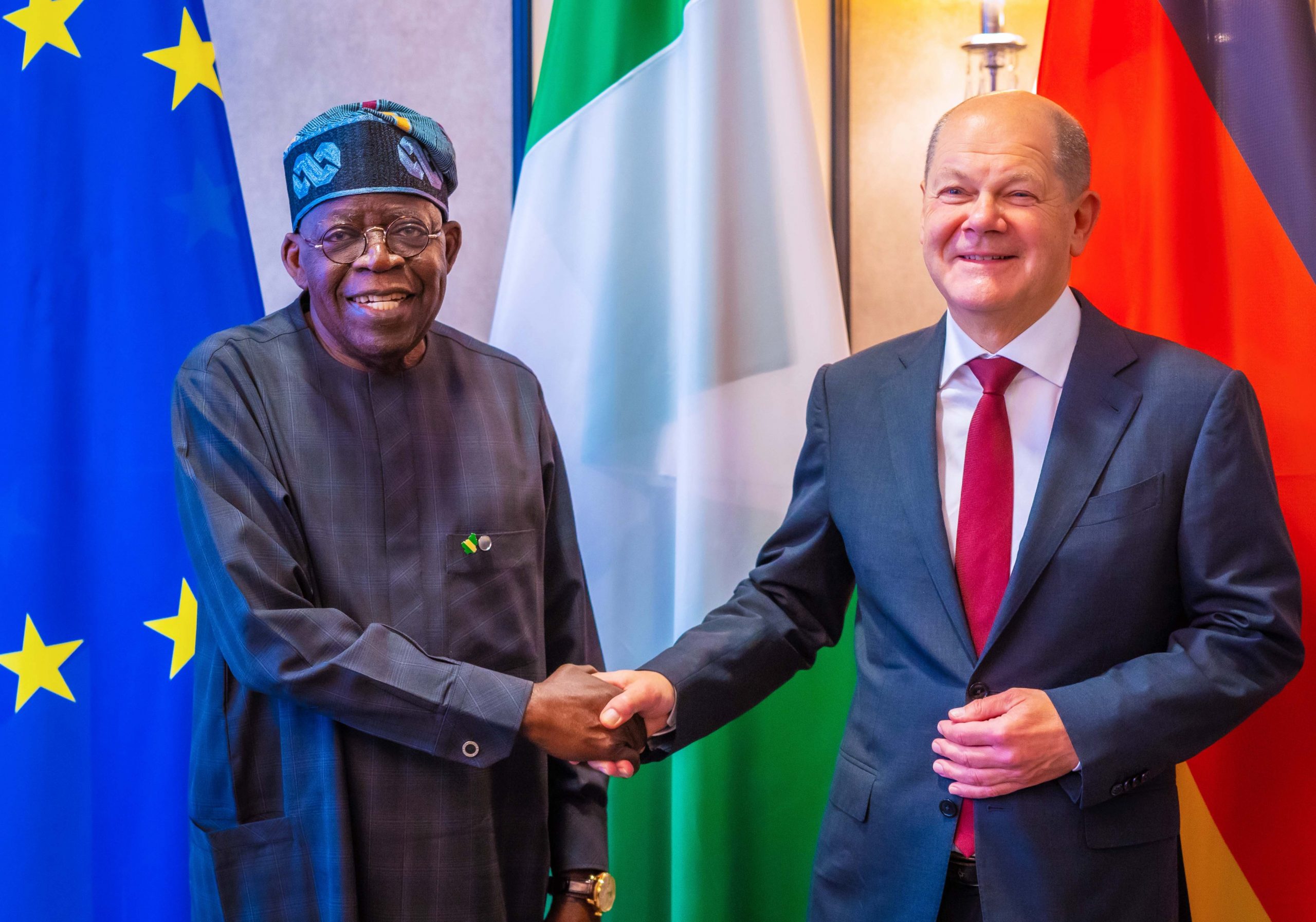
Germany and Nigeria Formalize €365 Million Investment Agreement to Bolster Economic Transition
In a significant move that signals a deepening economic partnership between Europe and West Africa, Germany and Nigeria have formalized a major investment agreement valued at approximately €365 million. The deal, aimed at fostering sustainable development and strengthening bilateral economic ties, is expected to target critical sectors including renewable energy, technical vocational training, and infrastructure development.
The agreement comes at a pivotal moment for both nations. For Nigeria, the world’s most populous African nation, the influx of German capital and expertise offers a vital lifeline as the country seeks to diversify its economy away from a heavy reliance on fossil fuel exports. For Germany, the partnership aligns with its broader “Africa Strategy,” which seeks to transition from traditional development aid toward structured, investment-led cooperation that secures long-term economic interests and climate goals.
While specific allocations for individual projects are still being finalized by technical teams, the scale of the €365 million investment package underscores a strategic shift in how Berlin approaches its economic engagement with Abuja. Observers note that this agreement is not merely a financial transaction but a cornerstone for a more integrated economic corridor between the European Union and the African Continental Free Trade Area (AfCFTA).
Strategic Focus: Energy Transition and Human Capital
A primary pillar of the new agreement is the acceleration of Nigeria’s energy transition. As global markets pivot toward decarbonization, Germany is looking to leverage its expertise in green technologies to support Nigeria’s growing demand for stable, sustainable power. The investment is expected to facilitate projects in solar energy, grid modernization, and potentially green hydrogen initiatives, which are increasingly central to Germany’s energy security and climate ambitions.
Beyond energy, the agreement places a heavy emphasis on “human capital”—the skill sets required to sustain a modern industrial economy. A significant portion of the funds is slated for the enhancement of technical and vocational education and training (TVET) programs. By aligning Nigerian educational outcomes with German industrial standards, the partnership aims to create a specialized workforce capable of managing new technologies in the manufacturing and energy sectors.
This dual focus on renewable energy investment in Nigeria and technical skills development is designed to create a self-sustaining economic cycle: modern infrastructure requires skilled labor, and a skilled workforce attracts further high-tech investment.
The Geopolitical Shift: From Aid to Investment-Led Partnerships
For decades, the relationship between Germany and Nigeria was largely defined by developmental assistance and humanitarian aid. However, this €365 million agreement marks a departure from that historical model. It reflects a broader geopolitical trend where European powers are increasingly viewing African nations as essential economic partners rather than just recipients of charity.

The “investment-first” approach is a response to several converging factors:
- The Need for Diversification: Germany is actively seeking to diversify its supply chains and energy sources, making stable, growing markets like Nigeria increasingly attractive.
- Climate Leadership: By supporting Nigeria’s transition to cleaner energy, Germany reinforces its position as a global leader in climate diplomacy and green technology export.
- Economic Stability in Africa: Strengthening the economic foundations of Nigeria—a regional powerhouse—is seen as a way to promote broader stability across West Africa.
This shift is particularly relevant as the European Union continues to implement its “Global Gateway” strategy, a massive investment plan intended to mobilize up to €300 billion in sustainable infrastructure across the globe, with a significant focus on Africa.
Economic Implications for Nigeria’s Growth Trajectory
For the Nigerian government, the arrival of this capital is a critical component of its broader economic stabilization efforts. Following recent periods of currency volatility and inflationary pressure, the commitment of €365 million serves as a powerful signal to the international community regarding Nigeria’s investment climate.
The impact of the agreement is expected to manifest in several key areas:
1. Job Creation: The development of new energy projects and the expansion of technical training centers are projected to create thousands of direct and indirect jobs, particularly for Nigeria’s burgeoning youth population.
2. Infrastructure Resilience: By targeting the energy sector, the agreement addresses one of the most significant bottlenecks to Nigerian industrial growth: an unreliable power supply.
3. Technology Transfer: The involvement of German firms and technical agencies ensures that high-level technological expertise is transferred to local workers and institutions, building long-term domestic capacity.
However, the success of the agreement will depend heavily on the implementation phase. Analysts suggest that Nigeria must maintain a stable regulatory environment and ensure transparent governance to maximize the benefits of the German capital.
Key Takeaways of the Nigeria-Germany Agreement
| Feature | Details |
|---|---|
| Total Investment Value | Approximately €365 million |
| Primary Sectors | Renewable Energy, Vocational Training, Infrastructure |
| Core Objective | Economic transition and bilateral industrial cooperation |
| Strategic Alignment | Germany’s Africa Strategy &. Nigeria’s economic diversification |
| Key Impact Areas | Job creation, energy security, and technical skill transfer |
As the implementation of this agreement begins, the global community will be watching closely to see how this model of “investment-led diplomacy” performs in one of Africa’s most complex and dynamic markets. If successful, the Nigeria-Germany partnership could serve as a blueprint for future bilateral relations between the EU and the African continent.

Official implementation timelines and the specific list of participating corporate entities are expected to be released in the coming months as technical committees from both nations convene to finalize project frameworks.
What do you think this investment means for the future of energy in West Africa? Let us know in the comments below and share this article with your network.