

Imagine a world where the legal age to purchase a pack of cigarettes is not a fixed number, but a moving target. In the United Kingdom, What we have is no longer a theoretical exercise in public health policy; It’s the blueprint for a societal shift. Under a pioneering legislative framework, the British government is implementing a “sliding scale” for the legal smoking age, effectively ensuring that for a significant portion of the population, they will remain “underage” for the rest of their lives.
The core of this strategy is the Tobacco and Vapes Bill, which introduces a mechanism to raise the legal smoking age by one year every single year. This means that if you were born after a specific cutoff—roughly 2009—the goalposts will move forward at the same pace you age. By the time a person born in 2010 reaches 30, the legal age to buy tobacco may have risen to 31. By the time they are 60, the legal age could be 61.
As a financial journalist and economist, I view this not merely as a health initiative, but as a massive long-term economic hedge. The British government is essentially attempting to “de-risk” the future of the National Health Service (NHS) by eliminating the primary driver of preventable death and disability. The ambition is bold: to create a “smoke-free generation” and fundamentally alter the trajectory of public health expenditure in the 21st century.
This approach represents one of the most aggressive interventions in consumer behavior in modern history. While traditional age limits are designed to protect minors until they reach a perceived age of maturity, this policy treats nicotine addiction as a lifelong liability that the state is determined to prevent from ever starting for millions of citizens.
The Mechanics of a Permanent Ban
The sliding scale mechanism is designed to prevent the “cliff-edge” effect, where young adults suddenly gain access to tobacco products the moment they turn 18, often influenced by peer pressure and targeted marketing. By incrementally raising the age, the government aims to decouple the transition to adulthood from the initiation of smoking.
For those born after the designated cutoff, the law creates a permanent barrier. The logic is that if the legal age continues to rise annually, the window of opportunity for a young person to legally purchase cigarettes never opens. This effectively bans the sale of tobacco to an entire generational cohort, regardless of how old they actually become.
The implementation of this policy requires a sophisticated coordination between retailers and regulators. Shops must navigate a legal landscape where the “legal age” is a variable rather than a constant. This shift places a significant compliance burden on small businesses, who must ensure their staff are trained to identify not just if a customer is 18, but if they meet the specific birth-year requirement for that calendar year.
The Economic Imperative: Reducing the NHS Burden
From an economic perspective, the rationale for a generational ban is rooted in the staggering cost of tobacco-related illness. Smoking remains a leading cause of cancer, cardiovascular disease, and respiratory failure, all of which place an immense financial strain on the National Health Service (NHS). The cost of treating smoking-related diseases runs into billions of pounds annually, encompassing not only direct medical costs but also the indirect costs of lost productivity and premature death.
By eliminating smoking among the youth, the government is targeting the “entry point” of the addiction cycle. The economic goal is to reduce the prevalence of smoking to under 5% by 2030. Achieving this would result in a dramatic reduction in long-term healthcare liabilities. In the language of economics, this is a preventative investment: the short-term loss in tobacco tax revenue is outweighed by the long-term gain in workforce productivity and a reduction in the state’s healthcare obligations.
the policy addresses the “intergenerational cycle” of smoking. Children of smokers are statistically more likely to take up the habit themselves. By breaking this chain for an entire generation, the government hopes to create a cultural shift where smoking is no longer seen as a normalized part of adult life, further accelerating the decline of tobacco use across all age groups.
The Vaping Variable and the Nicotine Frontier
The legislation does not exist in a vacuum; it is inextricably linked to the rise of electronic cigarettes. The Tobacco and Vapes Bill also seeks to tighten regulations on vapes, which have become a gateway to nicotine addiction for millions of teenagers. The government’s challenge is a delicate balancing act: encouraging adult smokers to switch to less harmful vapes to quit tobacco, while simultaneously preventing a new generation from becoming addicted to nicotine via flavored pods and disposable devices.

The risk is that as cigarettes become legally unobtainable for the young, the demand for nicotine will not disappear but will instead migrate. There are concerns that a “grey market” for tobacco will emerge, where young people source cigarettes from older adults or illicit traders. Similarly, the proliferation of unregulated vaping products could offset the health gains achieved by the tobacco ban.
To combat this, the UK is implementing stricter rules on vape packaging, flavors, and availability. The goal is to make vapes “invisible” to children while keeping them accessible as cessation tools for adults. However, the agility of the vaping industry—characterized by rapid product innovation and direct-to-consumer digital marketing—often outpaces the speed of legislative drafting.
Global Precedents and Political Risks
The UK is not the first to consider this “generational ban” model. New Zealand famously attempted a similar policy, which would have banned smoking for anyone born after 2008. However, that policy became a political flashpoint and was subsequently repealed by a succeeding government that argued the ban was an overreach of state power and an infringement on personal liberty.
The British government faces similar risks. Opponents of the bill argue that it sets a dangerous precedent for state intervention in personal choices. There is a philosophical tension between the state’s duty to protect public health and the individual’s right to autonomy. Critics suggest that if the government can ban a legal product based on birth year, the same logic could eventually be applied to sugar, alcohol, or other lifestyle choices deemed “unhealthy.”
the effectiveness of the ban depends heavily on enforcement. If the law is perceived as an impossible-to-police mandate, it may undermine the general respect for legal age limits. The success of the “smoke-free generation” will depend not just on the law itself, but on the government’s ability to provide robust support for those struggling with addiction and to suppress the inevitable rise of illicit trade.
Key Considerations for the Smoke-Free Transition
| Feature | Traditional Age Limit (18+) | Generational Sliding Scale |
|---|---|---|
| Legal Age | Fixed (e.g., 18 years old) | Variable (increases annually) |
| Access | Granted upon reaching the age | Permanently denied for specific cohorts |
| Primary Goal | Protect minors from early start | Eliminate the habit for a whole generation |
| Market Impact | Stable adult consumer base | Gradual shrinkage of the legal market |
| Main Risk | Underage purchasing | Illicit markets and state overreach |
What Happens Next?
As the sliding scale begins to take effect, the focus will shift from legislation to monitoring. Public health officials will be closely tracking “smoking prevalence” among the targeted cohorts to see if the legal barrier is successfully deterring use or simply driving it underground. The World Health Organization (WHO) and other global health bodies are watching the UK experiment closely, as its success or failure will likely dictate whether other nations adopt similar generational bans.
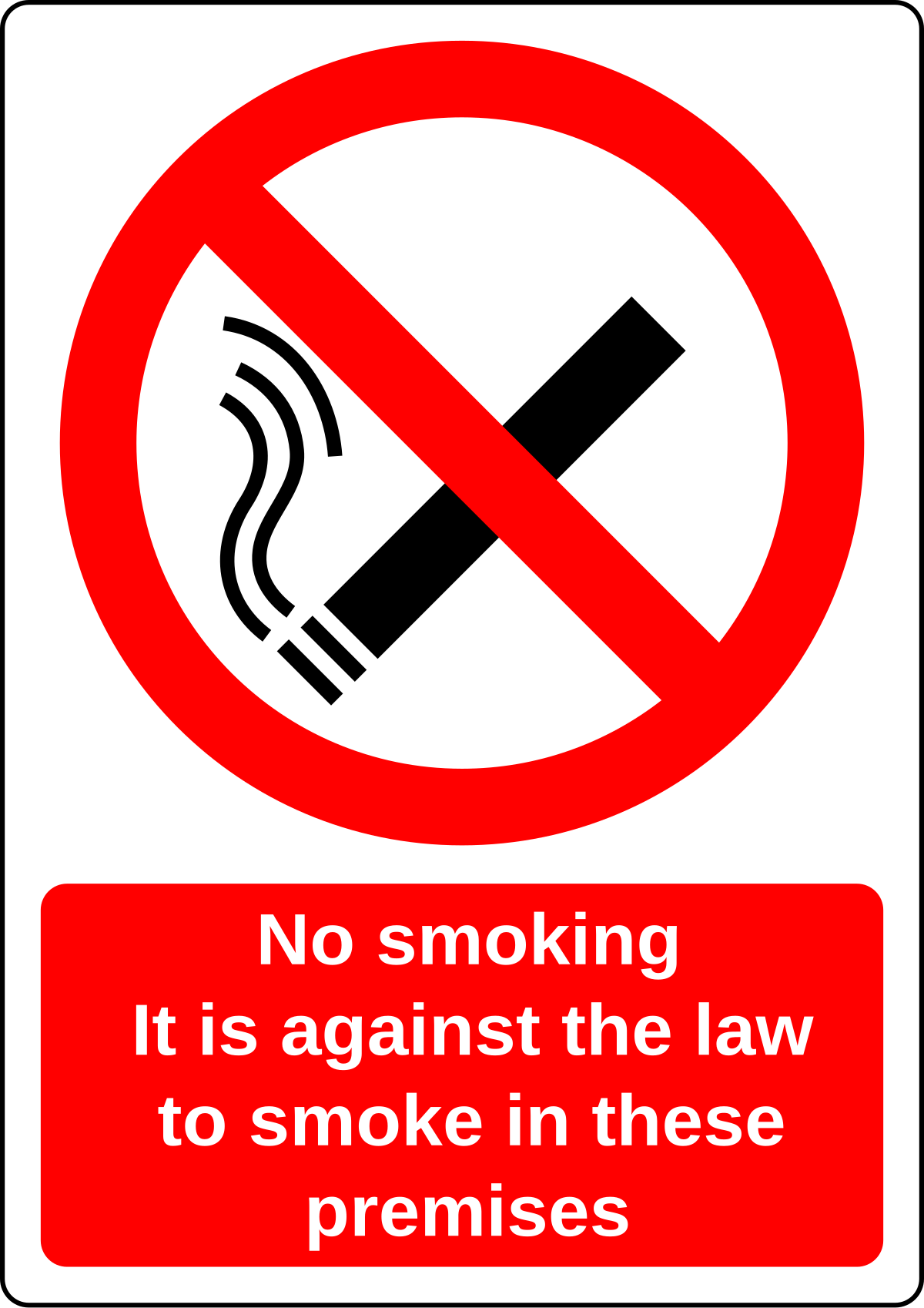
The next critical checkpoint will be the first comprehensive review of the policy’s impact on youth vaping rates and the emergence of illicit tobacco trade. These findings will determine whether the government needs to introduce further penalties for “proxy purchasing”—where adults buy cigarettes for minors—or further restrict the nicotine content in vaping products.
For the generation born after 2009, the path to adulthood will look different than it did for any generation before them. They are the test subjects in a grand societal experiment to see if a government can successfully legislate a healthy habit into existence by making a harmful one legally impossible.
Do you believe a generational ban is a necessary step for public health, or an overstep of government authority? Share your thoughts in the comments below or share this analysis with your network.