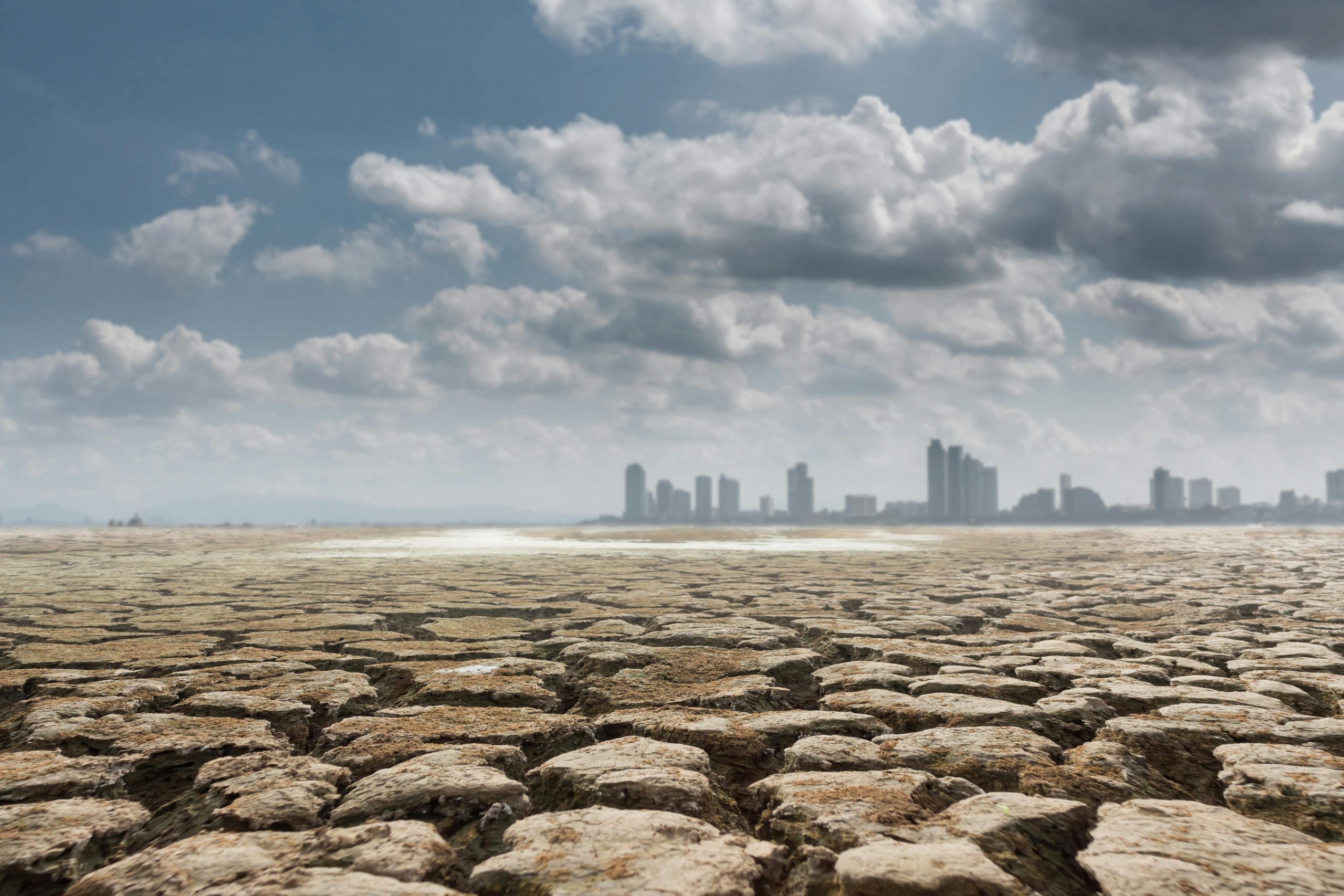
The sun, our primary source of energy and life, is entering a period of heightened volatility that has scientists and infrastructure experts on high alert. As we approach the peak of Solar Cycle 25, the probability of a massive geomagnetic storm—a phenomenon capable of disrupting the very foundations of modern digital civilization—has become a central focus for global space weather agencies.
While the term “catastrophe” is often used in sensationalist headlines, the scientific reality is a calculated risk. The primary concern is not a direct physical strike on the planet, but rather the impact of a Coronal Mass Ejection (CME) on Earth’s magnetic field. Such an event could trigger a systemic failure of power grids, satellite communications, and GPS networks, creating a cascading crisis in food distribution, healthcare, and global finance.
For a world entirely dependent on the seamless flow of electricity and data, the vulnerability is unprecedented. Unlike the mid-19th century, when the world was largely disconnected, a modern “superstorm” would not just disrupt telegrams; it could potentially disable the transformers that power entire continents, leading to prolonged blackouts that could take months or years to repair.
Understanding the solar storm risk to Earth requires a look at both the historical precedents and the current state of our solar system’s activity. By analyzing the mechanisms of space weather, we can determine why the current window of time is particularly critical and what is being done to prevent a global technological collapse.
The Carrington Event: A Blueprint for Disaster
To understand the scale of the risk, historians and physicists point to the “Carrington Event” of September 1859. This remains the most intense recorded geomagnetic storm in history. Named after astronomer Richard Carrington, who observed the solar flare that caused it, the event resulted in auroras so bright that people in the Northeastern United States could read newspapers at midnight.
In 1859, the primary victims of the storm were telegraph systems. Operators reported sparks flying from their equipment, and some telegraph lines continued to send messages even after they were disconnected from their batteries, powered entirely by the geomagnetically induced currents (GICs) in the atmosphere. According to records maintained by the National Aeronautics and Space Administration (NASA), while the event caused chaos for the primitive communications of the time, it did not result in mass casualties because the world lacked a widespread electrical grid.
The danger today lies in the disparity between 1859 and 2026. Our society is now layered with sensitive electronics, undersea fiber-optic cables, and a complex web of satellites. A storm of Carrington-level intensity today would interact with these systems in ways that could lead to catastrophic failures. The “millions of lives” mentioned in hypothetical risk assessments refer not to the storm itself, but to the secondary effects: the failure of water pumping stations, the collapse of hospital power systems, and the disruption of global logistics chains that provide food and medicine to urban centers.
The Science of Solar Cycle 25 and the Solar Maximum
The sun operates on a roughly 11-year cycle of activity, moving from a “Solar Minimum” (low activity) to a “Solar Maximum” (peak activity). During the maximum, the sun’s magnetic field flips, leading to an increase in sunspots, solar flares, and CMEs. We are currently navigating Solar Cycle 25, which has proven to be more active than initially predicted by some forecasting models.
A Coronal Mass Ejection occurs when the sun releases a massive cloud of plasma and magnetic fields into space. If this cloud is directed toward Earth, it interacts with our magnetosphere, causing a geomagnetic storm. The intensity of these storms is measured by the Dst index (Disturbance Storm Time), and a “G5” level storm—the highest on the NOAA scale—can cause widespread voltage reductions and protectively trip power grids.
The NOAA Space Weather Prediction Center (SWPC) monitors these events in real-time. The concern for the current cycle is that we are entering the peak window—expected between 2024 and 2026—during a time when our reliance on satellite-based timing (GPS) is absolute. Everything from high-frequency trading in stock markets to the synchronization of power grids relies on the nanosecond precision of GPS satellites, which are highly susceptible to solar radiation.
Vulnerabilities: Why the Modern Grid is at Risk
The primary physical threat during a severe solar storm is the creation of Geomagnetically Induced Currents (GICs). When a CME hits Earth’s magnetic field, it causes the field to vibrate, which in turn induces electrical currents in long conductors on the ground. The most dangerous of these conductors are high-voltage power lines and oil/gas pipelines.
The Transformer Problem
High-voltage transformers are the backbone of the electrical grid. They are designed to handle alternating current (AC), but GICs are essentially direct current (DC). When DC enters a transformer, it can cause “half-cycle saturation,” leading to extreme overheating and permanent internal damage. Because these transformers are massive, custom-built machines that can take over a year to manufacture and ship, the loss of a significant number of them would mean that power could not be restored quickly, regardless of how much fuel or manpower is available.
Satellite and Communication Failure
Beyond the grid, the ionosphere becomes highly turbulent during a solar storm. This disrupts the path of radio waves, leading to “radio blackouts” that can last for hours or days. For aviation, this is a critical safety risk, as long-haul flights over the poles rely on high-frequency (HF) radio for communication. Increased atmospheric drag caused by solar heating can cause low-Earth orbit (LEO) satellites to lose altitude and potentially re-enter the atmosphere prematurely.
The Digital Economy and GPS
Modern logistics, banking, and cellular networks depend on GPS for more than just navigation; they use it for precise timing. A severe solar storm can cause “scintillation,” where GPS signals are refracted or blocked. If the timing signals fail, cellular towers may lose synchronization, and automated trading systems in global financial hubs could malfunction, leading to economic instability.

Mitigation and Global Preparedness
While the risks are significant, the global community is not defenseless. Space weather forecasting has advanced significantly since the days of Richard Carrington. We now have a network of satellites, such as the Deep Space Climate Observatory (DSCOVR), positioned at the L1 Lagrange point, providing a “early warning” system that can detect a CME before it reaches Earth.
Governments and utility companies are employing several strategies to harden infrastructure:
- Grid Hardening: Installing GIC-blocking capacitors and neutral-grounding resistors to prevent DC currents from entering transformers.
- Operational Protocols: The ability to “shed load” or intentionally shut down parts of the grid to prevent a cascading failure when a severe storm is detected.
- Satellite Redundancy: Developing more resilient satellite constellations and improving the shielding of onboard electronics.
- International Cooperation: Sharing data through the International Space Environment Service (ISES) to ensure that all nations have access to real-time alerts.
Despite these efforts, the “last mile” of preparedness remains a challenge. Many smaller utility providers lack the funding to upgrade their transformers, and the interconnected nature of the global economy means that a failure in one region can trigger a crisis in another.
What This Means for the Global Population
For the average person, the risk is not a sudden explosion or a visible disaster, but a gradual loss of services. In a “worst-case” scenario, the sequence of events would look like this:

- Initial Phase: Widespread aurora sightings at low latitudes and intermittent internet/cellular outages.
- Secondary Phase: Localized power outages as transformers trip or fail. GPS inaccuracies affect transport and logistics.
- Tertiary Phase: Prolonged blackouts in affected regions. Failure of water treatment and pumping systems due to lack of power.
- Systemic Phase: Disruption of “just-in-time” supply chains, leading to shortages of perishable foods and medical supplies.
this is a probabilistic risk, not a certainty. Most solar storms are mild or moderate and result in nothing more than beautiful lights in the sky. However, the low-probability, high-impact nature of a superstorm makes it a priority for national security agencies worldwide.
Looking Ahead: The Next Checkpoints
The scientific community remains focused on the evolution of Solar Cycle 25. The most critical upcoming checkpoint is the continued monitoring of the Solar Maximum, which is expected to peak through 2025 and into 2026. During this window, the frequency of X-class flares—the most powerful type of solar flare—is expected to remain high.
Publicly available data from the NASA Solar Dynamics Observatory (SDO) provides a continuous stream of imagery that allows researchers to see sunspots and flares forming in real-time. As we move further into the peak of the cycle, the ability to predict the exact trajectory and magnetic orientation of CMEs will be the deciding factor in whether we experience a minor inconvenience or a systemic crisis.
While we cannot stop the sun, our ability to prepare is our best defense. By investing in grid resilience and early warning systems, the “catastrophe” can be managed, turning a potential apocalypse into a manageable technological challenge.
We want to hear from you. Do you believe our current infrastructure is prepared for a major solar event, or are we relying too heavily on a fragile digital grid? Share your thoughts in the comments below and share this article to spread awareness about space weather preparedness.