
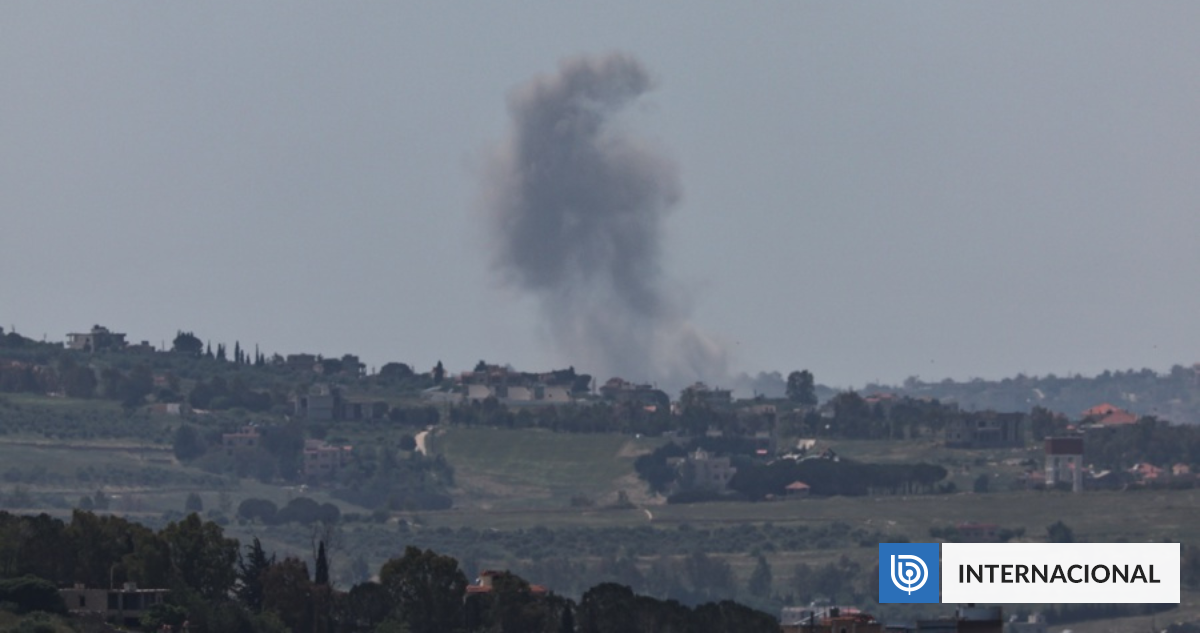
The fragile stability along the border between Israel and Lebanon is facing a critical test as reports of renewed hostilities emerge, threatening to dismantle a United States-backed ceasefire. In a region where peace is often measured in days rather than months, the sudden surge in reported strikes has raised alarms among international observers and diplomatic mediators who have worked to prevent a full-scale regional escalation.
The current tension arrives at a precarious moment, coinciding with discussions regarding the extension of the existing truce. The reported volatility in Southern Lebanon suggests a widening gap between the operational realities on the ground and the diplomatic aspirations in the capital cities. As both sides trade accusations of ceasefire violations, the risk of a return to high-intensity conflict looms, potentially undoing weeks of delicate negotiations.
The situation is characterized by a cycle of strikes and counter-strikes that have historically plagued the border region. For the civilian populations in Southern Lebanon and Northern Israel, these developments are not merely political shifts but immediate threats to safety and infrastructure. The reported targeting of residential areas and essential services has once again placed the humanitarian condition of the region at the forefront of the global conversation.
Escalation in Southern Lebanon and Military Claims
Recent reports from the region indicate a sharp increase in military activity, with specific focus on the Nabatiyeh area in Southern Lebanon. Local sources have denounced a series of Israeli strikes, alleging that these operations have resulted in multiple casualties and significant damage to civilian infrastructure. While official confirmations from state authorities often lag behind field reports, the intensity of the activity suggests a departure from the restraint mandated by the ceasefire agreement.


Simultaneously, the Israeli military has maintained that its actions are targeted and necessary. Reports indicate that the Israeli Defense Forces (IDF) claim to have neutralized a significant number of Hezbollah operatives over the past week. These claims are part of a broader strategy to degrade the capabilities of the militant group and prevent the launch of rockets into Israeli territory. However, the precision of these targets is frequently contested by Lebanese officials and international human rights monitors.
The volatility is further compounded by the role of Hezbollah, which continues to operate in the border zones. The group’s persistent activities and the subsequent Israeli responses create a feedback loop of violence that makes the maintenance of a ceasefire nearly impossible without a robust, third-party enforcement mechanism. The lack of a verified monitoring system has allowed both sides to maintain plausible deniability while continuing low-to-mid-level engagements.
Humanitarian Impact and the Vulnerability of Civilians
Beyond the military calculations, the human cost of the crumbling truce is becoming increasingly evident. There are deeply concerning reports regarding the impact of these strikes on the most vulnerable populations. Agencies such as UNICEF have historically highlighted the devastating effect of border conflicts on children, and current reports suggest a disturbing trend of minors being killed or injured in the recent wave of violence.
The degradation of healthcare infrastructure in Southern Lebanon has added another layer of crisis. Reports have surfaced alleging the destruction of health centers and the deaths of paramedics providing emergency care. When medical facilities become casualties of war, the ability of the remaining population to survive basic health emergencies vanishes, turning a military conflict into a broader humanitarian catastrophe.
The psychological toll on civilians is equally severe. The uncertainty of whether a ceasefire is active or defunct creates a state of permanent anxiety for thousands of displaced persons who have attempted to return to their homes. The recurring nature of these attacks ensures that “stability” remains a relative term, often interrupted by sudden explosions that displace families once again.
The Diplomatic Struggle for Regional Stability
The United States has played a central role in brokering the current ceasefire, attempting to balance the security needs of Israel with the sovereignty and stability of Lebanon. However, the current instability underscores the limitations of diplomatic agreements that do not address the root causes of the conflict. The “extension” of a ceasefire is often a temporary fix—a way to buy time for diplomats—rather than a sustainable peace treaty.
For the ceasefire to hold, mediators must navigate the complex internal politics of both nations. In Israel, the government faces pressure to ensure that Hezbollah is completely pushed back from the border. In Lebanon, the state struggles to exert authority over the powerful military wing of Hezbollah, which often operates independently of the central government’s diplomatic commitments.
International law and the mandates of the United Nations provide the framework for these agreements, but the enforcement remains the primary hurdle. Without a strengthened presence of UNIFIL (United Nations Interim Force in Lebanon) or a similar impartial body with the authority to penalize violators, the ceasefire remains a “gentleman’s agreement” in an environment where trust is nonexistent.
What This Means for the Near Future
The immediate focus now shifts to the deadline for the ceasefire extension. If the parties cannot agree on a renewed commitment to cease hostilities, the region could see a rapid transition from targeted strikes to a full-scale offensive. This would not only exacerbate the humanitarian crisis but could also draw in other regional actors, further complicating the geopolitical landscape of the Middle East.

Observers are watching for three key indicators: the movement of heavy artillery and armor toward the border, the rhetoric coming from Hezbollah’s leadership, and the level of diplomatic pressure applied by Washington and Paris. Any of these factors could signal whether the current reports of attacks are isolated incidents or the vanguard of a larger military campaign.
For the global community, the stakes are high. A collapse of the Israel-Lebanon ceasefire would likely lead to increased volatility in global energy markets and a surge in refugees, placing further strain on an already fragile Lebanese economy. The ability of the international community to hold both parties accountable to their commitments will be the deciding factor in whether the coming days bring a renewed peace or a renewed war.
The next critical checkpoint will be the official announcement regarding the extension or expiration of the current ceasefire agreement, expected within the next 24 to 48 hours. This decision will determine if the diplomatic path remains open or if the region returns to a state of active conflict.
We invite our readers to share their perspectives on the regional stability of the Middle East in the comments below. Please share this report to keep others informed on these developing events.