The global health community recently breathed a collective sigh of relief following a detailed investigation into a rare viral case aboard a luxury expedition cruise ship. When a passenger on the MS Hondius tested positive for hantavirus, the incident triggered an immediate and rigorous public health response, sparking concerns about whether the virus had mutated to allow human-to-human transmission.
For those unfamiliar with the pathogen, hantaviruses are typically zoonotic, meaning they jump from animals—specifically rodents—to humans. The prospect of such a virus adapting to spread between people is a scenario that keeps epidemiologists awake at night, as it could fundamentally change the risk profile of the disease. However, the Pasteur Institute in France has now settled the debate, confirming that the virus detected on the ship had not mutated.
As a physician and health journalist, I have seen how quickly health scares can escalate in the age of instant communication. The tension surrounding the MS Hondius case highlights the critical intersection of luxury travel and global biosurveillance. While the outcome in this instance was positive, the event serves as a vital reminder of how we monitor “spillover” events and the rigorous science required to rule out a public health crisis.
The investigation, which spanned multiple European borders, underscores the importance of international cooperation in infectious disease tracking. By analyzing the genetic sequence of the virus and conducting extensive contact tracing, health authorities were able to determine that the infection remained an isolated zoonotic event rather than the start of a new transmission chain.
The MS Hondius Incident: From Alarm to Analysis
The situation began when a passenger aboard the MS Hondius, an expedition vessel known for visiting remote regions, exhibited symptoms consistent with a severe viral infection. Upon testing, the passenger was found to be positive for hantavirus. Because the individual had been in close quarters with other passengers and crew members, the potential for human-to-human spread became the primary concern for health officials.
In response, a precautionary quarantine was implemented for those most closely exposed to the infected individual. This move was not based on evidence of a spread, but rather on the “precautionary principle” of public health—acting decisively to contain a potential threat before it can be fully understood. The focus quickly shifted to the Pasteur Institute, one of the world’s leading centers for the study of infectious diseases, to determine the exact nature of the viral strain.
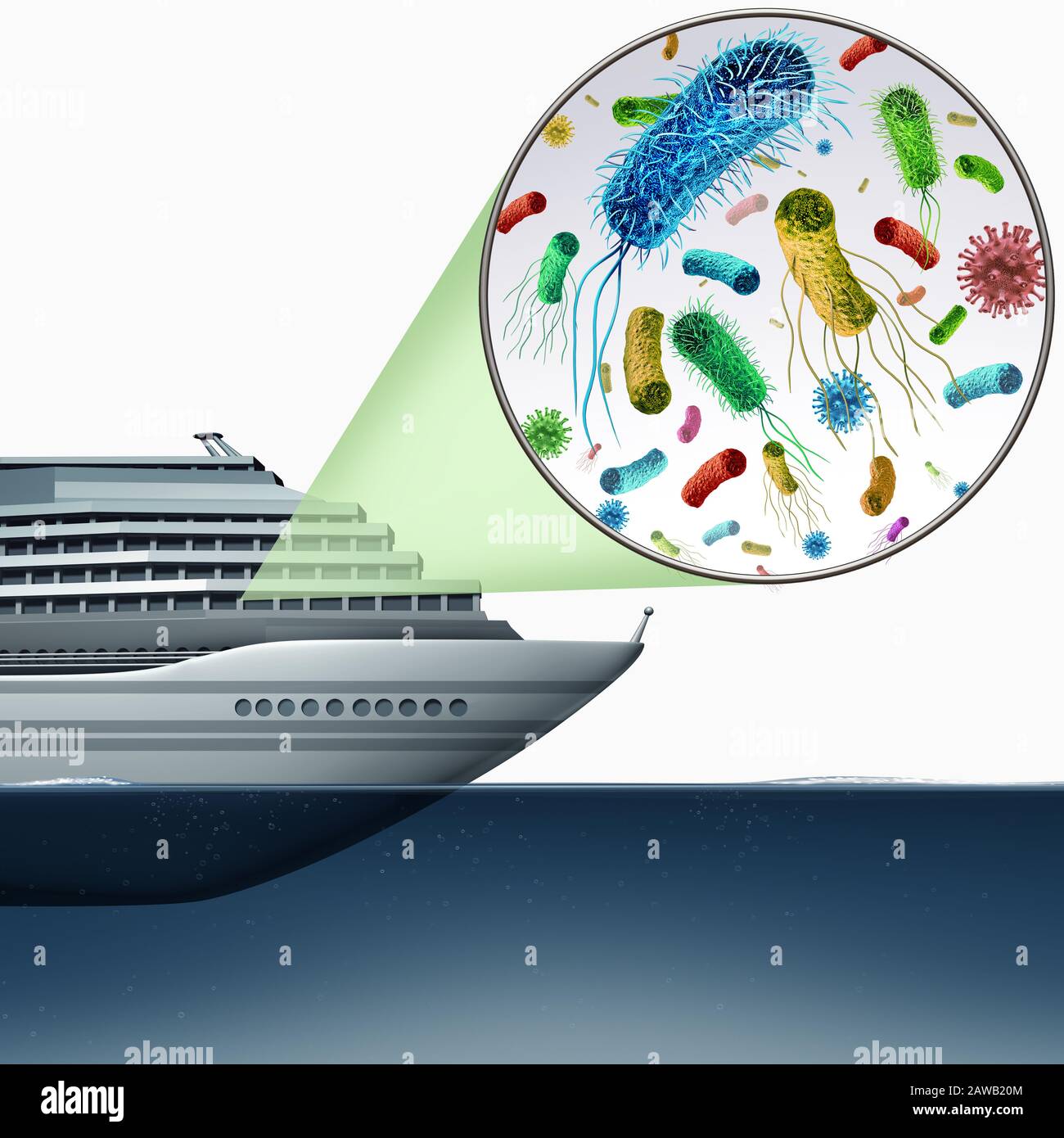
The primary question was whether this specific strain of hantavirus had undergone a genetic mutation. Most hantaviruses are transmitted via the inhalation of aerosolized droppings, urine, or saliva from infected rodents. However, a rare strain known as the Andes virus in South America has shown limited evidence of person-to-person transmission. Health authorities needed to know if the strain on the MS Hondius had developed similar capabilities.
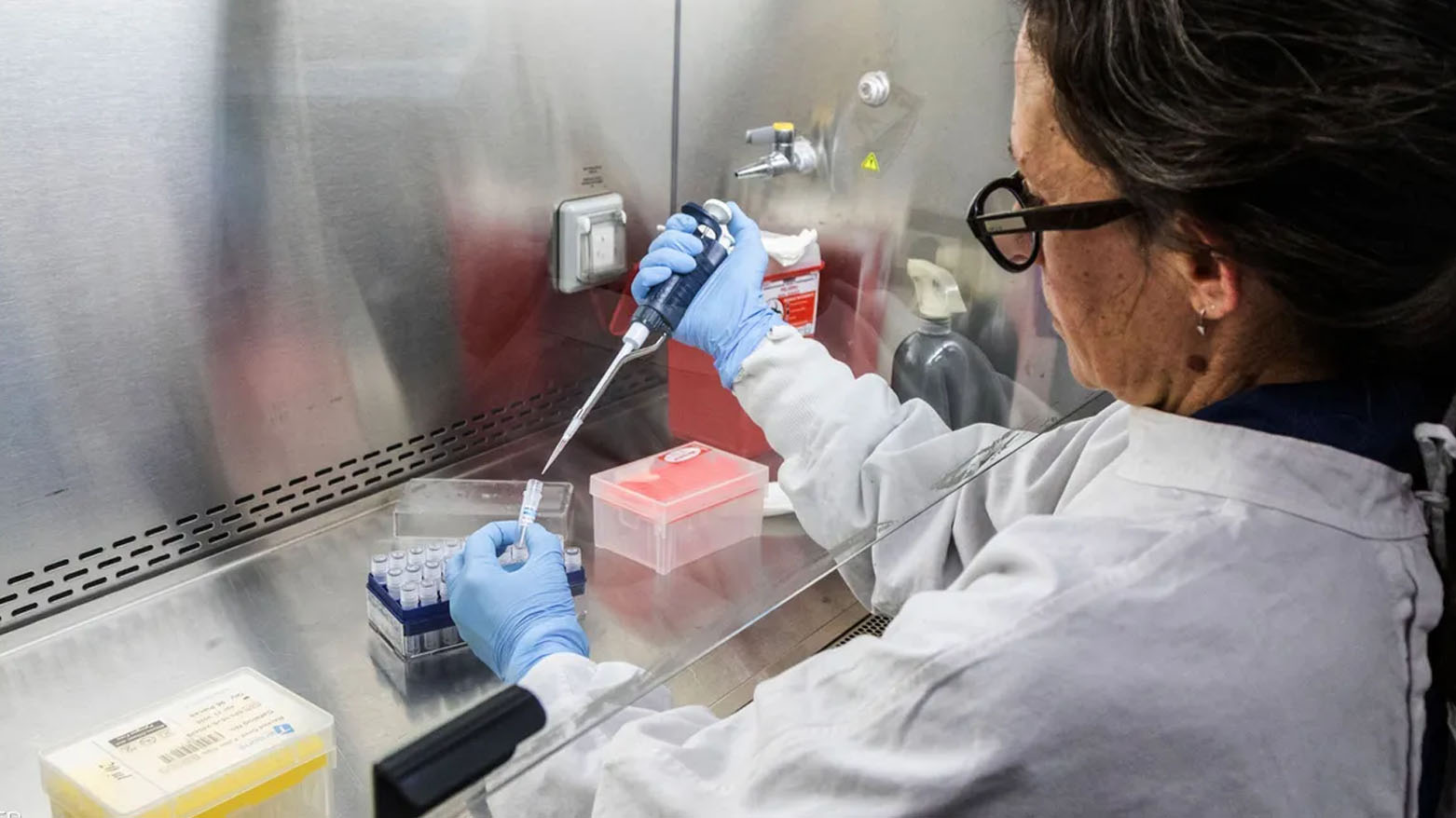
Following a comprehensive genomic analysis, the Pasteur Institute confirmed that the virus was a standard strain and showed no signs of mutation that would facilitate human-to-human transmission. This finding effectively dismantled the theory that the ship had become a vector for a new, more contagious version of the virus.
Understanding Hantavirus: Risks and Transmission
To understand why the MS Hondius case caused such alarm, it is necessary to understand what hantavirus is and how it operates. Hantaviruses are a family of viruses spread mainly by rodents. Depending on the strain and the geographic location, they typically cause one of two severe conditions: Hantavirus Pulmonary Syndrome (HPS) or Hemorrhagic Fever with Renal Syndrome (HFRS).
HPS is more common in the Americas and is characterized by rapid respiratory failure. According to the Centers for Disease Control and Prevention (CDC), HPS has a high fatality rate, often exceeding 36%, making it a high-priority concern for clinicians when respiratory distress is paired with a history of rodent exposure.
HFRS, more prevalent in Europe and Asia, primarily attacks the kidneys. While it can be severe, the mortality rate varies significantly depending on the specific strain of the virus. In both cases, the primary mode of infection is “zoonotic spillover”—where a human accidentally breathes in viral particles from rodent waste in enclosed spaces like sheds, cabins, or, in rare cases, poorly maintained ship quarters.
The rarity of these cases makes them difficult to diagnose early. Symptoms often begin as a flu-like illness—fever, muscle aches, and fatigue—before progressing to severe organ failure. This diagnostic lag is why the immediate involvement of the Pasteur Institute was so critical in the cruise ship case; only advanced genetic sequencing could provide the certainty needed to lift quarantine measures.
International Contact Tracing and Negative Results
Once the patient was identified, health authorities in France and the Netherlands launched an aggressive contact tracing operation. This involved identifying every person who had significant contact with the infected passenger and conducting rigorous testing to see if the virus had jumped to another human host.
The process of contact tracing in a cruise ship environment is uniquely challenging. The shared ventilation systems and high-density living quarters mean that “contacts” can be numerous. Despite these challenges, the results returned from the tests in both France and the Netherlands were negative. No other passengers or crew members were found to be infected.
These negative results provided the empirical evidence needed to support the Pasteur Institute’s genomic findings. If the virus had mutated to spread between humans, it is highly probable that at least one other close contact would have tested positive. The absence of secondary cases confirmed that the initial infection was a “dead-end” event—the virus entered a human host but was unable to leave it to infect another.
This outcome highlights the efficiency of the European health surveillance network. The ability to coordinate testing across borders and share data in real-time prevented a localized health incident from spiraling into a widespread panic.
The Global Landscape: Canada and the Vaccine Gap
While the MS Hondius incident was resolved, hantavirus remains a persistent global threat. For example, Canada has recorded rare but significant cases of hantavirus, typically linked to individuals working in rural environments or cleaning out old buildings where rodents have nested. These cases serve as a reminder that the virus is geographically widespread, even if the individual incidents are sporadic.

One of the most pressing questions arising from these incidents is: why is there no widely available vaccine for hantavirus? The answer lies in the complexity of the virus and the nature of the disease. Because hantavirus cases are relatively rare compared to the flu or COVID-19, there has historically been less financial and pharmaceutical incentive to develop a global vaccine.
Notice many different strains of hantavirus, each hosted by a different species of rodent. A vaccine that works against a European strain (causing HFRS) might be completely ineffective against a North American strain (causing HPS). While some vaccines have been developed and used in specific countries like China and South Korea for certain HFRS strains, there is no “one-size-fits-all” vaccine available globally.
Current medical management relies on supportive care. For HPS, this often means early admission to an intensive care unit (ICU) and the use of mechanical ventilation to support the lungs while the body fights the virus. The lack of a vaccine makes prevention—specifically rodent control and the safe cleaning of contaminated areas—the only reliable line of defense.
Practical Guidance: How to Protect Yourself
For the general public, the risk of contracting hantavirus is extremely low, but it is manageable through simple hygiene and environmental awareness. Whether you are traveling to remote areas or cleaning out a basement, the goal is to avoid breathing in dust that may contain rodent waste.
The World Health Organization (WHO) and other health bodies recommend the following safety protocols when dealing with potentially contaminated areas:
- Avoid sweeping or vacuuming: Stirring up dust can aerosolize the virus. Instead, spray the area with a disinfectant or a bleach solution before cleaning.
- Wear protective gear: If you must clean a heavily infested area, use a mask (preferably an N95 respirator) and gloves.
- Ventilate the space: Open doors and windows for at least 30 minutes before entering a confined space that has been closed off for a long time.
- Seal entry points: The most effective long-term prevention is rodent-proofing your home or workspace to prevent infestations from occurring.
For travelers on expedition cruises or those visiting rural areas, these risks are generally minimal, as professional crews manage the hygiene of the vessels. However, the MS Hondius case reminds us that zoonotic risks can emerge in the most unexpected places, and the best defense is a combination of vigilance and a robust public health infrastructure.
What This Means for Future Travel and Health
The resolution of the hantavirus scare on the MS Hondius provides a blueprint for handling similar “spillover” events in the future. The speed with which the Pasteur Institute analyzed the viral genome and the efficiency of the cross-border contact tracing demonstrate that the world is better prepared for rare zoonotic threats than it was a decade ago.
This incident also underscores the importance of transparency. By quickly confirming that the virus had not mutated, health authorities prevented the spread of misinformation that often accompanies reports of “mutating viruses” and “quarantines.” When science is communicated clearly and authoritatively, it prevents panic and maintains public trust in health systems.
As we continue to explore the furthest reaches of the globe through expedition travel, the likelihood of encountering rare pathogens increases. Here’s not a reason to stop exploring, but it is a reason to continue investing in genomic surveillance and international health partnerships. The ability to quickly sequence a virus and rule out human-to-human transmission is a superpower of modern medicine that saved the MS Hondius situation from becoming a tragedy.
The next confirmed checkpoint for global hantavirus monitoring will be the ongoing seasonal surveillance reports from the European Centre for Disease Prevention and Control (ECDC), which track zoonotic trends across the continent to identify any emerging shifts in viral behavior.
Do you have questions about zoonotic diseases or travel health safety? Share your thoughts in the comments below or share this article with your travel community to spread awareness.
- Berkshire Health Systems Hospitals Earn Top CMS Star Ratings for Quality and Patient Care
- Fruit, Breakfast, and Frozen Vegetables: The Truth About Our Eating Habits
- Covid-19 Surge in Campeche: 8 New Cases Reported (world-today-news.com)
- DR Congo Ebola Outbreak: Fastest Growing and Second Largest Ever (newsdirectory3.com)