For decades, Nintendo has mastered a very specific, very precious form of magic: the element of surprise. From the sudden reveal of new consoles to the unexpected announcements of long-awaited sequels, the company has built its brand on a culture of curated wonder. However, that culture is currently facing a fundamental disruption. A series of high-profile leaks regarding the upcoming Switch 2 release slate has left industry veterans describing the current situation as a “worst-case scenario” for the Kyoto-based giant.
The disruption centers on the recent validation of leaks provided by prolific internet tipster NatetheHate. While the gaming community is often accustomed to a revolving door of rumors, the legitimacy of this particular leak was cemented when Nintendo officially unveiled its upcoming Star Fox title. The announcement, which describes the game as a classic experience and a remake of Star Fox 64, effectively turned a collection of internet whispers into a confirmed roadmap for the next generation of Nintendo hardware.
As the industry prepares for the official launch of Star Fox on June 25, the conversation has shifted from what is coming to how these leaks are fundamentally altering Nintendo’s ability to control its own narrative. The breach of information doesn’t just spoil the fun for fans; it threatens the very marketing architecture that has sustained Nintendo’s dominance for years.
The Validation of the Leak: From Rumor to Reality
The turning point for the current discourse was the official unveiling of the Star Fox remake. For months, the tipster NatetheHate had been circulating details regarding the Switch 2’s upcoming software lineup. While many remained skeptical, the recent Nintendo announcement provided the “proof of legitimacy” that the rumor mill required. The Star Fox title, a remake of the N64 classic, is now confirmed to be part of the immediate release window, scheduled to debut next month.
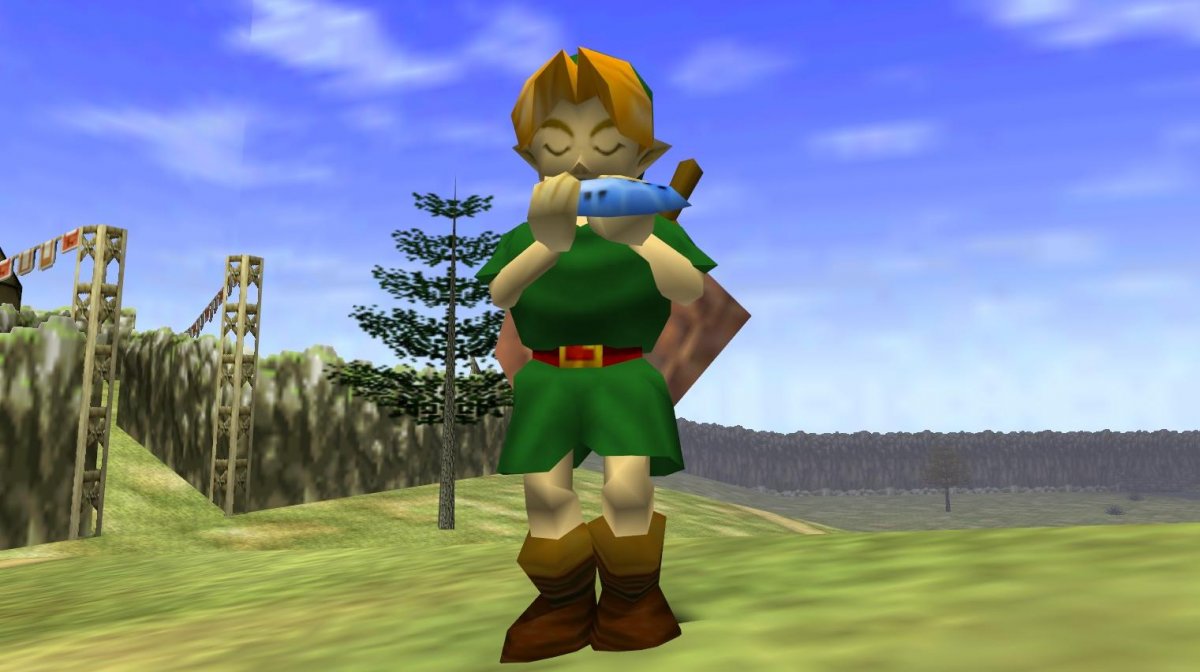
This confirmation has cast a long shadow over other elements of the leaked slate, most notably the persistent and intensifying rumors surrounding a remake of The Legend of Zelda: Ocarina of Time. While Nintendo has not officially confirmed the Zelda project, the validation of the Star Fox news has given significant weight to the broader leaked timeline, creating a landscape where fans are increasingly anticipating official announcements before they are actually made.
The timing of the Star Fox reveal also sparked intense debate among industry observers. Some speculated that Nintendo might have intentionally shifted its announcement window to derail the timing predicted by leakers. However, Kit Ellis, a former presenter for Nintendo Minute, suggested that the shift was likely due to standard logistical hurdles rather than a strategic move to outmaneuver tipsters. Ellis noted that marketing timelines are notoriously fluid, often needing to account for variables such as Japan’s annual Golden Week holiday.
“I don’t really buy that [it was intentionally delayed],” Ellis stated, suggesting that the announcement drop in the first week of May was simply a shift in plans. “And at some point, Nintendo can’t… It’s like: ‘we don’t negotiate with terrorists, we can’t let someone dictate our plans’.”
A “Worst-Case Scenario” for Brand Surprise
The term “worst-case scenario” was not used lightly. Speaking via their podcast, former Nintendo Minute presenters Kit Ellis and Krysta Yang addressed the high-profile leaks as a significant blow to the company’s strategic goals. For a company that thrives on the “wow factor” of its Nintendo Direct broadcasts, the ability to leak a release slate is a direct hit to its most effective promotional tool.
When the details of a console’s launch lineup are known months in advance via unverified sources, the impact of a formal presentation is diluted. The “hype cycle”—the period of intense consumer anticipation that drives pre-orders and initial sales—is effectively hijacked by leakers. Instead of a unified moment of excitement shared by the global community during a live event, the news is met with a sense of “we already knew that,” which can diminish the emotional resonance of Nintendo’s official marketing.
Yang emphasized that this is not an isolated incident but a symptom of a changing digital landscape. “Nintendo is shifting tactics in a world where leaks are more prevalent,” Yang observed. This shift suggests that the company is beginning to realize that the traditional, large-scale reveal model may no longer be sustainable in an era of hyper-connected tipsters and rapid information dissemination.
The Tactical Shift: The End of the Mega-Direct?
The most significant long-term consequence of these leaks may be a fundamental change in how Nintendo communicates with its audience. For years, the Nintendo Direct has been the gold standard of gaming presentations—highly produced, high-stakes events that command global attention. However, the prevalence of leaks is forcing a pivot toward a more fragmented and unpredictable communication strategy.
Industry analysts suggest that Nintendo may move away from these massive, centralized broadcasts in favor of more frequent, smaller, and unannounced reveals. By releasing information in “stealth” drops or smaller windows without warning, Nintendo can mitigate the impact of leaks. If there is no scheduled “big event” to leak, the information loses much of its disruptive power.
This tactical evolution represents a move toward defensive marketing. Rather than attempting to protect a single, massive moment of hype, the company may focus on a steady stream of smaller updates that are harder for tipsters to time or manipulate. While this may reduce the “spectacle” of Nintendo’s announcements, it provides a more resilient way to manage information in a volatile digital environment.
Key Takeaways: The Impact of the Switch 2 Leaks
- Confirmed Software: The Star Fox remake (based on Star Fox 64) is officially confirmed for a June 25 launch.
- Leak Legitimacy: The accuracy of tipster NatetheHate has been bolstered by the official Star Fox announcement, increasing the credibility of other rumors, including the Zelda: Ocarina of Time remake.
- Marketing Disruption: Former Nintendo staff describe the current leak environment as a “worst-case scenario” because it undermines Nintendo’s ability to surprise its fanbase.
- Strategic Pivot: Nintendo is expected to shift from large-scale, scheduled Nintendo Directs toward more frequent, unannounced, and smaller-scale reveals to combat information leaks.
What Happens Next for Nintendo?
As the industry looks toward the official launch of Star Fox in June, the focus will remain on how Nintendo manages the fallout from this period of instability. The company’s ability to reclaim the narrative will depend on whether it can successfully implement its new, more fragmented marketing approach without losing the sense of community and excitement that defines its brand.
For now, the upcoming months will serve as a testing ground. Will the smaller, unannounced reveals provide the protection Nintendo needs, or will the leak culture continue to outpace the company’s ability to surprise? The next major checkpoint for fans and investors alike will be the official launch of the Star Fox title on June 25, which will offer the first real look at how Nintendo’s next-generation software strategy performs in the hands of consumers.
What do you think about Nintendo’s changing marketing tactics? Do you prefer the large-scale Nintendo Directs, or do you think smaller, unannounced reveals are the better way to combat leaks? Let us know in the comments below and share this article with your fellow gamers.
Keep reading