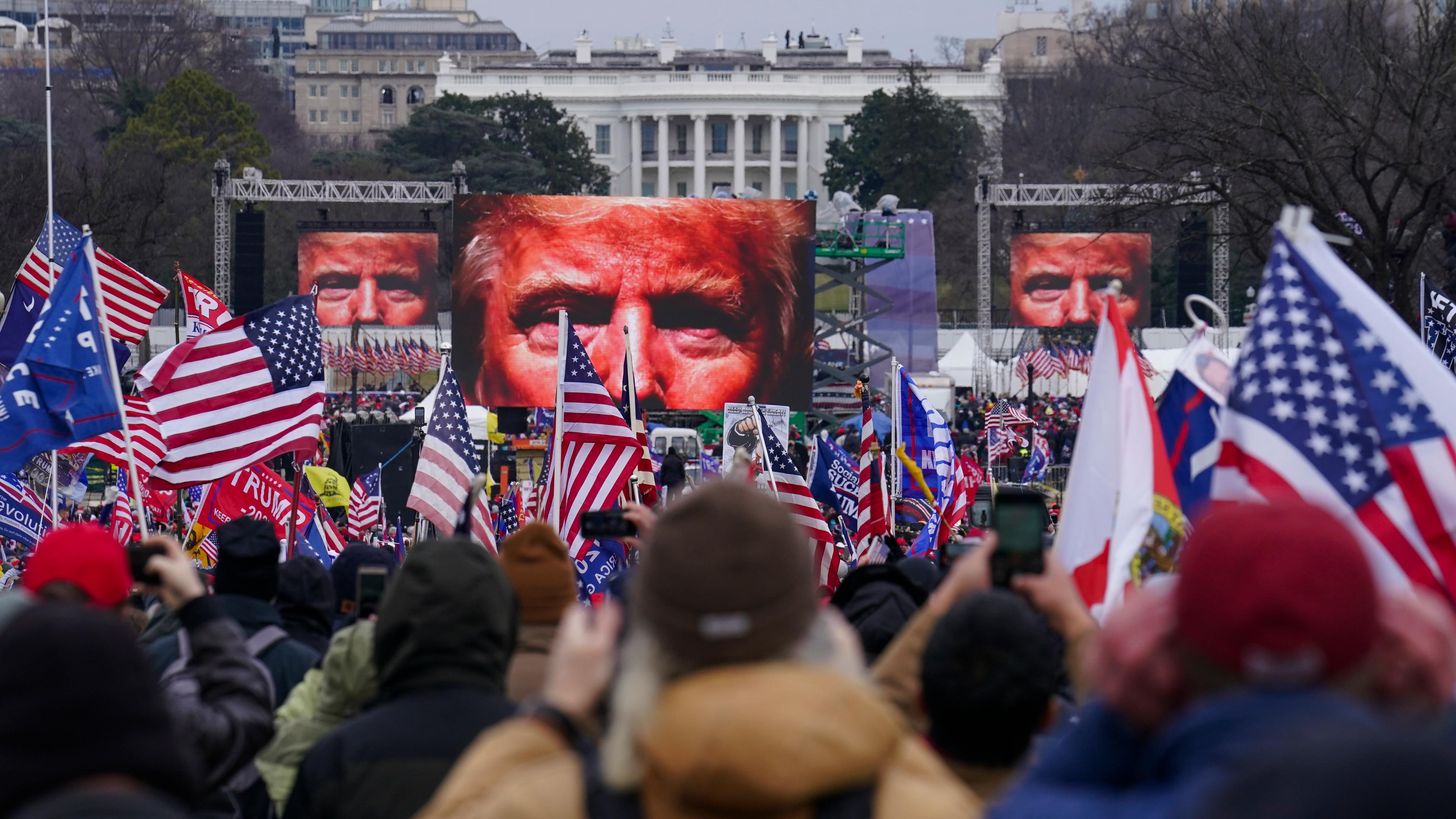
Proposed $1.7 Billion ‘Weaponization’ Fund Could Resolve Trump’s $10 Billion IRS Lawsuit
President Donald Trump is reportedly considering a significant pivot in his long-standing legal battle against the Internal Revenue Service (IRS), potentially trading a $10 billion lawsuit for the creation of a $1.7 billion fund designed to compensate political allies. The proposed settlement, which would be financed by taxpayer funds, aims to address claims that the previous administration “weaponized” the legal system against specific individuals and political groups.
The plan, which has been reported by the New York Times and ABC News, is currently being fast-tracked but has not yet received official government approval. If the proposal moves forward, it would represent one of the largest taxpayer-funded compensation programs in recent U.S. History, sparking intense debate over fiscal responsibility and the ethics of using federal resources to settle political grievances.
At the heart of the negotiation is a lawsuit filed in a Miami federal court this past January. In that filing, Trump and other plaintiffs accused federal agencies of failing to prevent a former IRS contractor from illegally obtaining and disclosing private tax returns. The data, which reportedly spanned from May 2019 to September 2020, was allegedly leaked to various media outlets, including ProPublica and the New York Times.
The Scope of the ‘Weaponization’ Fund
If the $1.7 billion fund is approved, its primary purpose would be to pay damages to individuals who claim they were harmed by what they describe as the Biden Administration’s systemic targeting of political opponents. This includes a significant demographic: the nearly 1,600 people who have faced charges in connection with the January 6, 2021, events at the U.S. Capitol.
By framing the fund as a remedy for legal “weaponization,” the administration’s supporters argue that the program is a necessary corrective to ensure the impartiality of federal agencies. However, the scale of the compensation and the selection of beneficiaries have already drawn sharp criticism from lawmakers who view the move as an unprecedented use of the federal treasury.
Personal Legal Claims and Settlement Terms
Beyond the broader fund for political allies, the proposed settlement is also expected to address President Trump’s personal legal and financial grievances. According to reports, the deal would include a resolution of his $230 million claim against the Justice Department. This claim stems from the 2022 search of his Mar-a-Lago estate and subsequent investigations into alleged ties between his campaign and Russia.

The settlement terms reportedly include several specific demands from the President to the IRS, including:
- A public apology from the IRS regarding the unauthorized disclosure of his personal financial records.
- A formal waiver of any pending or future IRS audits related to the period in question.
- The dismissal of the $10 billion lawsuit currently pending in federal court.
A member of President Trump’s legal team defended the pursuit of these claims in a statement to ABC News, asserting that the IRS “wrongly allowed a rogue, politically-motivated employee to leak private and confidential information about President Trump, his family, and the Trump Organization.” The legal team emphasized that the President intends to “hold those who wrong America and Americans accountable.”
Legal Precedent: The Keepseagle Model
To justify the structure of this massive compensation program, the Justice Department is reportedly looking toward historical precedents for class-action settlements. Specifically, the program is being modeled after the 2011 settlement in the Keepseagle v. Vilsack case.
In that landmark instance, a $760 million settlement fund was established to compensate Native American farmers and ranchers who alleged that the U.S. Department of Agriculture (USDA) had systematically discriminated against them in its farm loan and loan servicing programs. While the Keepseagle settlement focused on systemic discrimination within a specific agency’s lending practices, the proposed $1.7 billion fund would expand that concept to cover a much broader range of perceived political targeting across various federal institutions.
Political Backlash and Ethical Concerns
The proposal has triggered immediate and fierce opposition from Democratic leaders, who have characterized the move as a misuse of public funds to reward political loyalty. The primary concern cited by critics is the potential for the President to exercise undue influence over how taxpayer money is distributed to his allies.
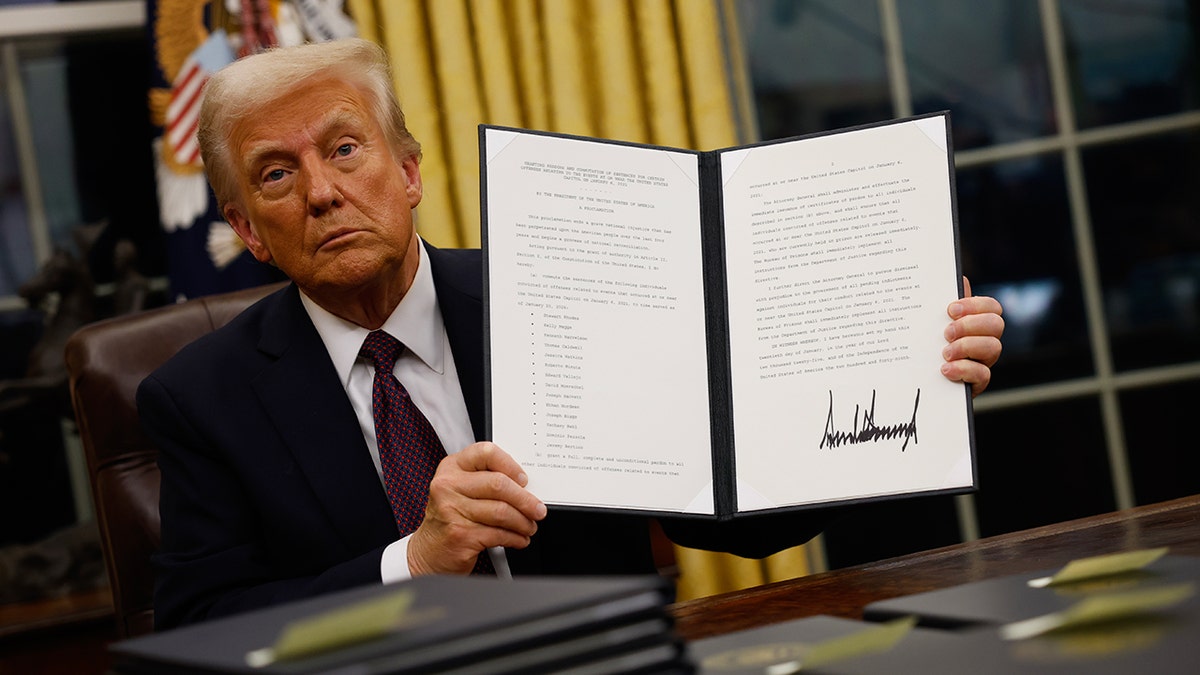
Senator Elizabeth Warren was among the most vocal critics, taking to X (formerly Twitter) on Thursday to condemn the proposal. “An insane level of corruption—even for Trump,” Warren wrote. She further described the proposed $1.7 billion as a “slush fund for Trump’s hand-picked stooges to hand money to January 6th insurrectionists and his political allies,” noting the timing as Americans struggle with the costs of gas and groceries.
As of this report, both the White House and the Justice Department have not responded to requests for comment regarding the specifics of the fast-tracked plan. The debate highlights a growing tension in U.S. Governance: the balance between addressing legitimate claims of government overreach and the potential for creating mechanisms that allow for the partisan distribution of federal wealth.
Key Takeaways: The Proposed Settlement
- Total Fund Value: A proposed $1.7 billion taxpayer-funded compensation program.
- Primary Objective: To compensate individuals claiming they were victims of “weaponized” legal actions by the previous administration.
- Key Beneficiaries: Political allies and approximately 1,600 individuals charged in relation to the January 6, 2021, insurrection.
- Trump’s Personal Terms: Includes a $230 million settlement for Mar-a-Lago-related claims, an IRS apology, and an audit waiver.
- Legal Precedent: Modeled after the $760 million Keepseagle v. Vilsack settlement.
The next major development in this story will be the official response from the Department of Justice or a formal announcement from the White House regarding the approval status of the fund. We will continue to monitor all legal filings and official statements as this story develops.
What are your thoughts on the ethics of using a taxpayer-funded settlement to resolve political legal disputes? Share your views in the comments below and share this article with your network.
- Solar Eclipse 2026: When Is It, How to Watch Safely, and Where to See It
- ECB Survey: European Banks Anticipate Tighter Lending Conditions
- BP Q2 Profit Hits $5.7 Billion Amid Trump Criticism of Big Oil Windfalls (time.news)
- Trump Administration Begins Systematic Appropriation of Japanese Manga (newsdirectory3.com)