
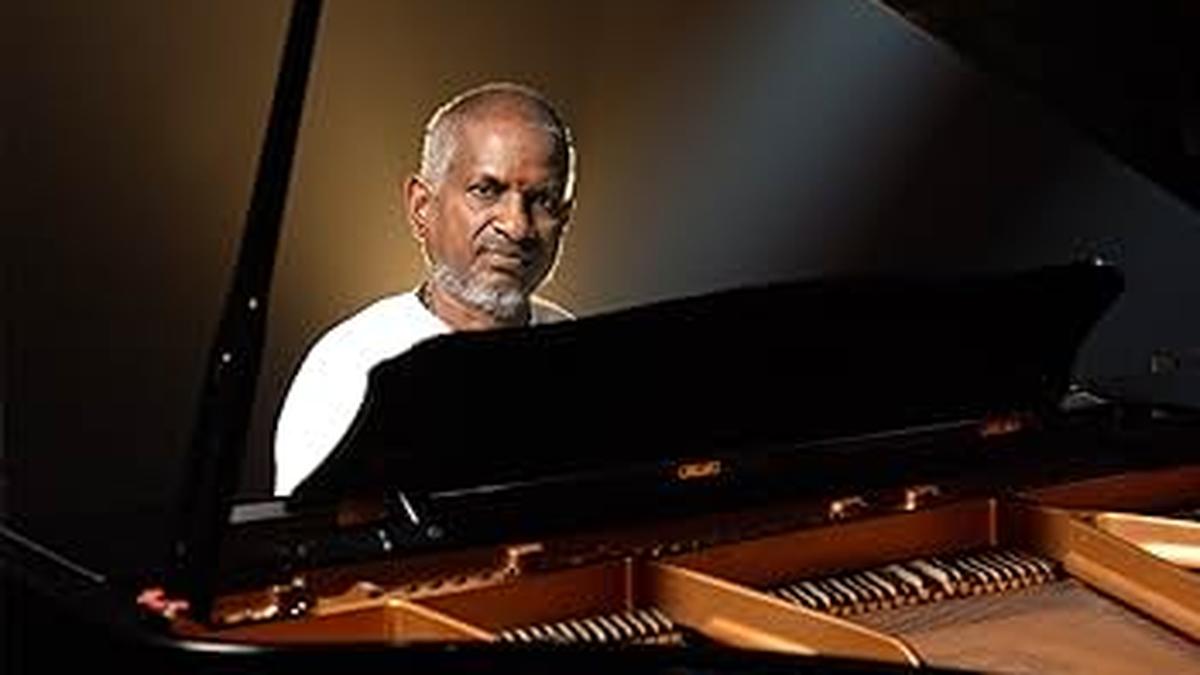
For five decades, the sonic landscape of Indian cinema has been shaped by a singular, restless intellect. Ilaiyaraaja, the composer often referred to as “Isaignani” (the musical sage), has spent the last 50 years dismantling the boundaries between disparate musical worlds. From the rural heartlands of Tamil Nadu to the prestigious halls of the Royal Philharmonic Orchestra, his work represents a continuous experiment in fusion, blending the rigid structures of Carnatic grammar with the lush architecture of Western classical music and the raw energy of folk idioms.
His journey began in earnest on May 14, 1976, with the release of the film Annakili. This debut did more than just launch a career; it signaled a paradigm shift in Tamil cinema. At a time when the industry was heavily influenced by the aesthetics of Hindi cinema, Ilaiyaraaja introduced a new aural grammar that resonated with both rural audiences and urban youth. This revolution was mirrored by a simultaneous shift in visual storytelling, as visionary filmmakers like Bharathiraja, Mahendran, and Balu Mahendra sought a sound that could match their new, grounded cinematic language.
Today, the 82-year-old composer stands as one of the most prolific figures in global music history. With a career that spans over 1,500 feature films and a catalog of more than 8,600 songs, Ilaiyaraaja has moved beyond the role of a film composer to become a cultural institution. His influence extends into the political sphere as well, having served as a nominated member of the Rajya Sabha, the upper house of the Parliament of India, since July 7, 2022.
The Disruptor: Redefining the Sound of the 70s and 80s
In his early years, Ilaiyaraaja was viewed by some as a disruptor. His willingness to experiment with “crude” or unconventional sounds often put him at odds with the establishment. For instance, songs like “Oram Po” from Ponnu Oorukku Pudhusu (1979) and “Kettela Ange” from Bhadrakali (1976) faced bans on All India Radio, with critics labeling them unartistic. However, these frictions were the hallmarks of a composer who refused to adhere to the sanitized norms of the era.
By the early 1980s, this disruptive energy evolved into total dominance. Ilaiyaraaja became the “Music King” of the industry, creating background scores that were often described as carrying the weight of the entire film. In productions such as Nizhalgal, Poovizhi Vaasal, Mudumar Pirai, Ulenthan, and Bala, his music ceased to be a mere accompaniment and became a primary narrative device. His ability to evoke complex human emotions—from maternal affection to philosophical longing—through simple instruments and sophisticated arrangements made him indispensable to directors and producers alike.
The era was defined by hits that became the soundtrack of daily life for millions. Tracks like “Ilaiya Nila Pozhigirathey,” “Mannil Intha,” and “Ilamai Ennum Poongaatru” showcased his ability to merge melodic simplicity with harmonic depth, ensuring that his music remained timeless even as cinematic trends shifted.
Technical Innovation and Global Recognition
Ilaiyaraaja’s legacy is not built on melody alone, but on a relentless pursuit of technical innovation. He was one of the first Indian composers to integrate Western classical harmonies and complex string arrangements into the fabric of Indian film music. This marriage of East and West allowed him to create orchestral textures that were previously unheard of in regional cinema.
A pivotal moment in this technical evolution occurred in 1986 with the film Vikram. Ilaiyaraaja became the first Indian composer to record a soundtrack using a computer, a move that foreshadowed the digital revolution in music production. This willingness to embrace new technology, while remaining rooted in classical tradition, solidified his reputation as a pioneer.
This duality—the local and the global—eventually earned him international acclaim. The Royal Philharmonic Orchestra in London conferred upon him the title of “Maestro,” recognizing his mastery of orchestration and his ability to bridge the gap between Indian melodic sensibilities and Western symphonic structures. To date, he has performed in over 20,000 concerts, bringing his unique blend of world music to diverse audiences across the globe.
A Legacy of Prolific Artistry
The scale of Ilaiyaraaja’s contribution to the arts is staggering. Beyond the sheer volume of his work, his impact is felt in the way subsequent generations of composers approach film scoring. By treating the background score as a character in its own right, he elevated the technical standards of the entire industry.

| Category | Detail/Achievement |
|---|---|
| Debut Film | Annakili (1976) |
| Estimated Song Count | 8,600+ songs |
| Feature Films Scored | Approximately 1,523 films |
| Technical First | First Indian composer to use a computer for a soundtrack (Vikram, 1986) |
| Global Honor | Title of “Maestro” from the Royal Philharmonic Orchestra |
| Public Service | Nominated Member of Rajya Sabha (since July 2022) |
The Philosophy of the “Eternal Experimenter”
What defines Ilaiyaraaja as an “eternal experimenter” is his refusal to be categorized. His work exists in the intersection of several disciplines: the mathematical precision of Carnatic music, the emotional resonance of folk songs, and the structural grandeur of Western classical music. He does not simply “mix” these styles; he dissolves the boundaries between them, creating a seamless sonic experience.
This approach has allowed him to remain relevant across six different decades. Whether he is scoring a rural drama or a complex urban thriller, his music remains focused on the human condition. His work serves as a bridge, connecting the traditional sounds of the past with the technological possibilities of the future.
For the global listener, Ilaiyaraaja’s music offers a window into the soul of South Indian culture while speaking a universal language of harmony and melody. His career serves as a masterclass in how to evolve without losing one’s identity, and how to disrupt an industry while simultaneously becoming its most cherished pillar.
As the music industry continues to move toward AI-generated compositions and algorithmic hits, the enduring appeal of Ilaiyaraaja’s work reminds us of the power of human intuition and formal mastery. His 50-year journey is not just a record of songs produced, but a record of a musical revolution that continues to inspire composers worldwide.
While there are no upcoming official concert dates currently announced on his primary channels, the maestro continues to be active in his role within the Rajya Sabha and his ongoing musical explorations. We will provide updates as new projects or public appearances are confirmed.
Do you have a favorite Ilaiyaraaja composition that has stayed with you over the years? Share your memories and recommendations in the comments below.