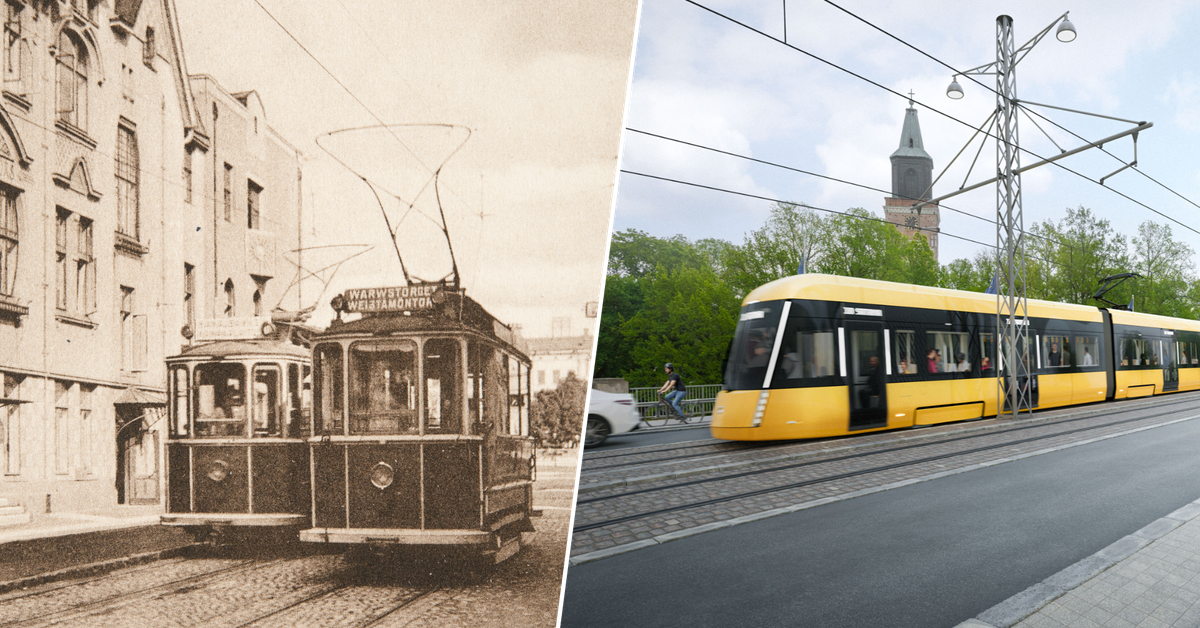
The streets of Turku, Finland’s oldest city and a historic hub of Baltic trade, may soon echo with the rhythmic clang of steel on rail once again. In a move that represents both a nostalgic return and a bold leap toward urban modernization, the Turku City Council is set to decide whether to reinstall a tramway system—a transit mode that has been absent from the city’s landscape for over half a century.
This decision is not merely a matter of transport logistics; It’s a pivotal economic and strategic pivot for the regional capital of Southwest Finland. For city planners and business leaders, the Turku tramway return signifies a shift toward sustainable urban density and a commitment to high-capacity public transit designed to support the city’s growth into the mid-21st century.
The upcoming vote is expected to be one of the most contentious in the council’s recent history. With city officials formally recommending the construction of the light rail system, the political divide remains razor-thin. Early indications suggest the outcome could hinge on a single vote, reflecting a deep-seated tension between those viewing the project as a necessary infrastructure investment and those wary of the associated costs and urban disruption.
As a financial journalist and economist, I view this debate through the lens of Transit-Oriented Development (TOD). The introduction of a fixed-rail system typically catalyzes private investment along its corridor, increasing land value and encouraging the development of mixed-use residential and commercial hubs. For Turku, often dubbed the “Paris of Finland,” this is an opportunity to align its historic charm with a modern, low-carbon economic engine.
The High-Stakes Vote: Modernity vs. Fiscal Caution
The Turku City Council meeting scheduled for Monday evening is poised to be a landmark event. The city’s administrative leadership (virkajohto) has presented the case for the tramway, arguing that the current bus-based system cannot meet the long-term demands of a growing urban population. The proposal focuses on creating a reliable, high-capacity spine for the city’s transit network, reducing reliance on private vehicles and lowering carbon emissions.
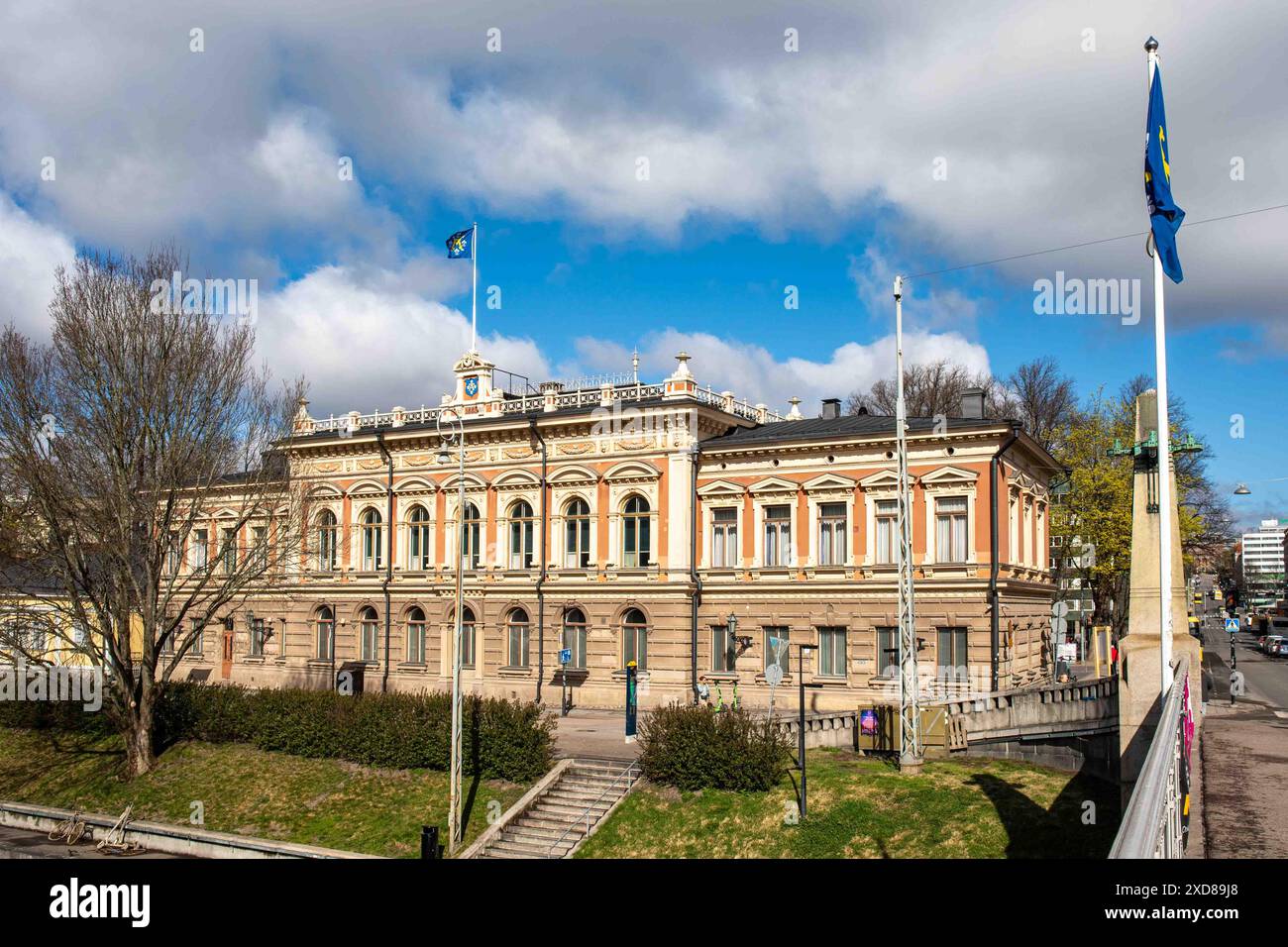
However, the path to approval is fraught. The debate centers on the massive capital expenditure required for rail infrastructure compared to the flexibility of electric bus fleets. Opponents argue that the financial risk is too great and that the disruption to city traffic during the construction phase could harm local businesses in the short term.
To manage the intensity of the debate, the council has limited speaking turns to five minutes per representative, acknowledging that nearly every member intends to voice their position on this transformative project. This level of engagement underscores the project’s status as a defining moment for the city’s future trajectory.
A Half-Century of Silence: The History of Turku’s Rails
To understand the weight of this decision, one must look at the cyclical nature of Turku’s relationship with the tram. The city was a pioneer in Finnish transit, granting permission for the country’s first horse-drawn tramway in the spring of 1889, with operations commencing in May 1890. This early venture, however, was short-lived; the operating company faced financial collapse and went bankrupt in December 1892.
The city’s transit ambitions were revived in 1908 with the introduction of the electric tramway. These rails served as the city’s primary arteries for decades, facilitating the movement of workers and shoppers through the heart of the city. However, the mid-20th century brought a global shift toward motorization. As car ownership surged in the 1960s, trams began to be viewed as antiquated obstacles to the flow of automotive traffic.
The era of the tram came to an abrupt end in the autumn of 1972, when the final remaining line—Line 3—ceased operations. For over 50 years, the rails remained buried or removed, and the city transitioned entirely to a bus-centric model. The desire to bring them back is not a new whim; discussions regarding a light rail system have persisted since the 1970s, including a failed attempt to establish a regional light rail network in the early 1990s.
| Period/Date | Development | Status/Outcome |
|---|---|---|
| 1889–1890 | First horse-drawn tramway permit and launch | Pioneering transit in Finland |
| 1892 | Horse tramway operator bankruptcy | Operations ceased |
| 1908 | Introduction of electric tramways | Primary urban transit for 60+ years |
| Autumn 1972 | Closure of Line 3 (the final line) | End of tram era due to motorization |
| 2013 | Launch of the general tramway plan | Formal study and planning phase |
| 2026 | City Council final decision vote | Pending determination |
The Economic Rationale: Why Now?
The push for a Turku tramway return is driven by a convergence of environmental mandates and urban planning strategies. Modern light rail systems offer several advantages over traditional bus networks that make them attractive to the City of Turku administration:
- Capacity and Efficiency: A single tram can transport significantly more passengers than a standard bus, reducing congestion on key arteries and providing a more stable ride.
- Environmental Impact: Electric rail systems produce zero tailpipe emissions, directly supporting Finland’s national goal of becoming carbon neutral.
- Urban Regeneration: Fixed rails provide “permanence.” Developers are more likely to invest in high-density housing and commercial spaces when they know the transit stop will not be moved, unlike a bus route which can be altered overnight.
- Tourism and Branding: As the oldest city in Finland and a gateway to the archipelago, a tram system enhances the “city break” appeal for international visitors, reinforcing Turku’s identity as a sophisticated European destination.
From a macroeconomic perspective, the investment is a bet on the city’s long-term density. By concentrating growth along a transit spine, the city can reduce the cost of providing municipal services and decrease the overall carbon footprint of the metropolitan area.
Addressing the Friction: The Political Divide
Despite the strategic benefits, the project has faced significant headwinds. The primary point of contention is the “opportunity cost.” Critics argue that the billions of euros required for rail construction could be better spent on improving existing road infrastructure or investing in a fleet of autonomous electric buses, which would offer similar environmental benefits without the need for disruptive track-laying.
the project has been subject to rigorous scrutiny regarding its timeline. The general planning process began in January 2013, and the length of time taken to reach a final vote has led some to question whether the original projections remain valid in a post-pandemic economy where remote work has altered commuting patterns.
The tension is further complicated by the geographic layout of the city. Integrating rails into the historic center, near the Aura River and Turku Cathedral, requires a delicate balance between preserving archaeological heritage and implementing 21st-century engineering.
Key Takeaways for Stakeholders
- For Local Businesses: A “Yes” vote likely means short-term construction disruption but long-term increases in foot traffic and property values.
- For Commuters: The project promises a more reliable, higher-capacity alternative to the current bus system, potentially reducing travel times.
- For Investors: The tramway corridor will likely become the prime zone for new residential and commercial development.
- For the City Council: The decision will serve as a litmus test for the city’s appetite for large-scale, sustainable infrastructure risk.
What Happens Next?
The immediate focus remains on the Monday evening vote. If the motion passes, the city will move into the detailed procurement and engineering phase, which will include final route mapping and the solicitation of bids for construction. If the motion is rejected, Turku will likely return to the drawing board to explore alternative high-capacity transit solutions, such as Bus Rapid Transit (BRT).
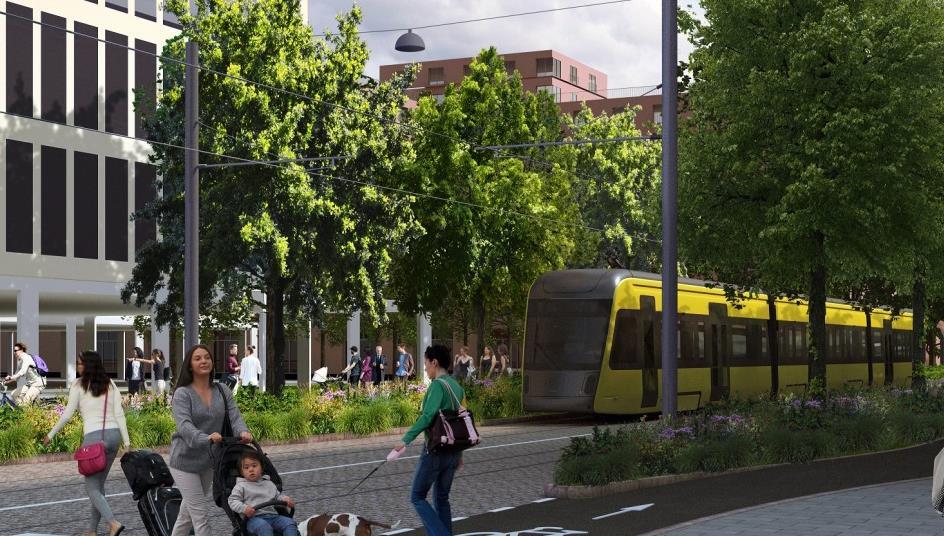
The result of this vote will not only determine how people move through Turku but will signal to the rest of the Nordic region whether historic cities are willing to reinvest in rail to combat the legacy of 20th-century car-centric planning.
We want to hear from you: Do you believe historic cities should return to rail-based transit, or is the future purely autonomous and rubber-tired? Share your thoughts in the comments below or share this analysis with your network.
Related reading