
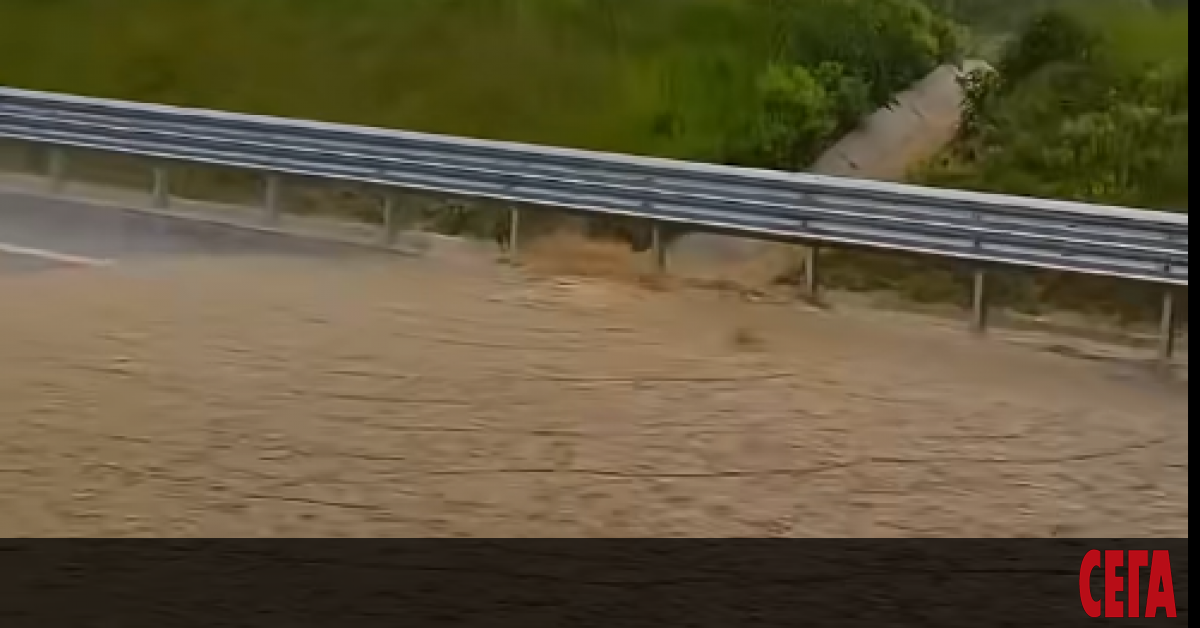
The city of Burgas and its surrounding province faced a period of severe climatic instability in early October 2025, as an extraordinary weather system triggered widespread flooding that paralyzed infrastructure and devastated residential areas. The events, which peaked between October 2 and October 8, 2025, transformed urban streets into rivers and left several communities struggling to recover from the sudden influx of water.
For residents of the Burgas region, the storm was not merely a seasonal occurrence but a catastrophic event that highlighted the vulnerability of the city’s drainage systems. Reports from the time described a scene of chaos, with torrential rain and hail converging to inundate homes, stall vehicles, and sever critical transport links, forcing the Bulgarian government to intervene at a national level to manage the crisis.
The impact was felt most acutely in specific urban pockets, where the geography and existing infrastructure were unable to cope with the volume of precipitation. In the Lozovo neighborhood, the flooding was particularly aggressive, with water entering residential properties and submerging cars, while in the Bulair district, the storm’s wind speeds caused significant structural failures, including the collapse of large trees that blocked primary transit routes.
The scale of the disaster extended beyond localized street flooding. According to data from the Copernicus Emergency Management Service, the floods across Burgas Province resulted in four fatalities and extensive damage to critical infrastructure throughout the region during the first week of October 2025.
Urban Paralysis: The Crisis in Lozovo and Bulair
While the entire province suffered, the urban center of Burgas experienced concentrated devastation. In the Lozovo neighborhood, residents reported a rapid rise in water levels that caught many by surprise. The deluge quickly overwhelmed the local sewage and drainage networks, leading to the flooding of streets and the infiltration of water into ground-floor apartments and houses. Vehicles parked along the roads were partially submerged, rendering them inoperable and complicating the efforts of emergency services to navigate the neighborhood.

The situation in Bulair was characterized by the combined force of rain and high winds. A significant incident occurred when a large tree collapsed in the middle of a main thoroughfare, directly blocking a public bus and bringing all traffic to a standstill. This blockage created a ripple effect across the city’s transit network, trapping commuters and delaying the arrival of emergency response teams to other affected sectors of the city.
These localized failures point to a recurring issue in the region’s urban planning. When extreme rainfall events occur, the capacity of the storm drains is often exceeded, turning low-lying neighborhoods like Lozovo into catchment basins. The intersection of aging infrastructure and intensifying weather patterns has created a precarious environment for the city’s residents, where a single heavy storm can lead to total urban paralysis.
Regional Devastation and the State of Emergency
The crisis was not confined to the city limits of Burgas. The broader province experienced a systemic failure of infrastructure as rural roads were washed away and bridges were compromised. The intensity of the rainfall triggered flash floods in mountainous and foothill areas, sending torrents of water and debris into villages and agricultural lands.

The severity of the situation prompted the Bulgarian government to declare a state of emergency. This legal mechanism was activated to mobilize the military and civil protection forces, allowing for the rapid deployment of pumps, sandbags, and rescue personnel to the hardest-hit areas. The declaration was a response to the scale of the flooding, which had surpassed the capabilities of local municipal authorities to manage independently.
The human cost of the disaster was the most sobering aspect of the event. The Copernicus EMS confirmed that four people lost their lives during the period of October 2 to October 8, 2025. These fatalities underscore the lethal nature of flash flooding, where water levels can rise in minutes, trapping individuals in their homes or vehicles before evacuation is possible.
Infrastructure Vulnerability and the ‘Flash Flood’ Phenomenon
To understand why Burgas was so severely impacted, We see necessary to examine the nature of “flash floods.” Unlike slow-onset flooding, which occurs when rivers gradually overflow their banks, flash floods are caused by intense rainfall over a short period. In the case of Burgas, the volume of water falling in a matter of hours exceeded the total monthly average for some areas, leaving the ground saturated and the drainage systems incapable of diverting the flow.
The “urban heat island” effect and the increase in impermeable surfaces—such as asphalt and concrete—further exacerbate this problem. In neighborhoods like Lozovo, the lack of permeable soil means that rainwater cannot soak into the ground; instead, it flows immediately into the streets. When the drainage pipes are blocked by debris or are simply too small for the volume of water, the streets effectively become canals.
the incident in Bulair, where a tree collapse blocked a major artery, highlights the secondary risks associated with severe storms. High winds combined with saturated soil weaken the root systems of urban trees, making them prone to falling. In a city where transit depends on a few primary corridors, a single fallen tree can effectively isolate entire districts during an emergency.
Recovery Efforts and Long-Term Implications
In the aftermath of the October 2025 floods, the focus shifted from rescue to recovery. Municipal crews worked to clear debris and repair damaged roads, while residents began the arduous process of drying out their homes and assessing the loss of personal property. However, the event served as a wake-up call for regional authorities regarding the necessity of climate adaptation.
Experts in urban resilience suggest that the only way to prevent a recurrence of the Lozovo and Bulair disasters is through the implementation of “Sponge City” concepts. This involves creating more green spaces, installing permeable pavements, and constructing underground retention basins that can hold excess rainwater during peak intensity and release it slowly into the system.
The financial toll of the floods remains significant, encompassing not only the direct cost of infrastructure repair but also the indirect economic loss from business closures and transport disruptions. The state of emergency provided the necessary framework for immediate funding, but long-term investment in drainage modernization is now viewed as a critical priority for the Burgas municipality.
For those seeking current safety guidelines or official updates on infrastructure projects in the region, the Bulgarian Ministry of Interior and the local Burgas Municipality portals remain the primary sources for emergency advisories and urban planning announcements.
The events of October 2025 stand as a stark reminder of the increasing volatility of weather patterns in the Balkans. As extreme rainfall events become more frequent, the gap between existing infrastructure and the requirements for public safety continues to widen, necessitating a fundamental shift in how coastal cities like Burgas prepare for the future.
The next official review of the regional flood defense plan is expected to be presented to the municipal council in the coming months, where updates on drainage upgrades for the Lozovo and Bulair districts will be a primary point of discussion.
We invite our readers to share their thoughts or experiences regarding urban flood resilience in the comments below.