
Austrian Couple Tragedy: Woman Killed in Rare Cattle Attack on Alpine Trail
A 67-year-old woman has died after being trampled by a herd of cattle during a hiking trip in Austria’s Lienz region, in an incident that has shocked the alpine community and raised concerns about safety in rural areas. The attack, which also critically injured her 70-year-old husband, occurred on a forest path near Oberlienz, where the couple had encountered the cattle while walking with their dog. Authorities are investigating the circumstances, with experts warning of increasing risks when hikers venture near grazing cattle in mountainous regions.
The tragedy unfolded on September 1, 2025, when the couple from Vienna were attacked by a herd of cows near Ramsau am Dachstein, according to verified reports from Austrian police and local media. The woman, identified as Margarethe S., suffered severe injuries and died shortly after arriving at a nearby hospital. Her husband, Hans S., remains hospitalized in critical but stable condition. While the exact number of cattle involved remains under investigation, witnesses described a “panicked stampede” that occurred when the cows encountered the couple’s dog.
This is not the first such incident in Austria, where encounters between hikers and cattle have led to serious injuries in recent years. In 2023, a similar attack in Tyrol left a 58-year-old man with broken ribs after cows became agitated near his group. Experts attribute the rising number of such incidents to changes in grazing practices, increased hiking traffic in alpine areas, and the natural defensive instincts of cattle when they perceive threats—particularly from dogs.
“Cattle are highly territorial, especially when they have calves. A dog barking or moving too quickly can trigger a protective response that turns dangerous in seconds.”
Circumstances of the Attack: What Happened?
According to statements from the Austrian Federal Police, the couple was hiking along a designated forest path when they encountered the cattle herd. Initial reports suggest the cows were grazing with calves when the couple’s dog—likely off-leash—approached the animals. Cattle, particularly mothers with young, are highly protective and may charge or trample perceived threats. Witnesses described the herd as “suddenly panicked,” with the cows moving as a group toward the hikers.
The woman was struck by multiple cows and suffered severe internal injuries, while her husband was also trampled but managed to crawl to safety until help arrived. Emergency responders, including mountain rescue teams, were called to the scene within minutes. The woman was airlifted to a hospital in Lienz, where she was pronounced dead shortly after admission. Her husband underwent emergency surgery and remains in intensive care, with doctors reporting “cautious optimism” about his recovery.
An autopsy is underway to determine the exact cause of death, though initial assessments confirm the injuries were consistent with being trampled by cattle. Police have not ruled out other factors, such as pre-existing health conditions, but the primary cause is expected to be confirmed as trauma from the attack.
Why Are Cattle Attacks Increasing in Austria?
While cattle attacks on hikers are rare, experts say they have become more frequent in recent years due to several factors. Austria’s Environmental Agency reports that alpine grazing practices have shifted, with larger herds being moved to higher elevations during summer months to take advantage of fresh pastures. This brings cattle into closer contact with hiking trails, which have seen a surge in popularity as tourism rebounds post-pandemic.
changes in cattle behavior may be contributing. Studies published in the Journal of Animal Science suggest that modern dairy breeds, selected for high milk production, may be more reactive to perceived threats than traditional alpine cattle. The presence of dogs—even well-behaved ones—remains the most common trigger for such incidents, as cattle interpret barking or sudden movements as predatory behavior.
“In Austria, we have over 3 million cattle, many of which graze freely in the Alps,” explains Dr. Weber. “While attacks are still uncommon, the combination of more hikers, larger herds, and dogs off-leash creates a perfect storm for these tragic events.”
Safety Advice for Hikers in Alpine Regions
In the wake of the tragedy, Austrian authorities and hiking organizations have issued updated safety guidelines for those venturing into cattle-grazing areas. Key recommendations include:
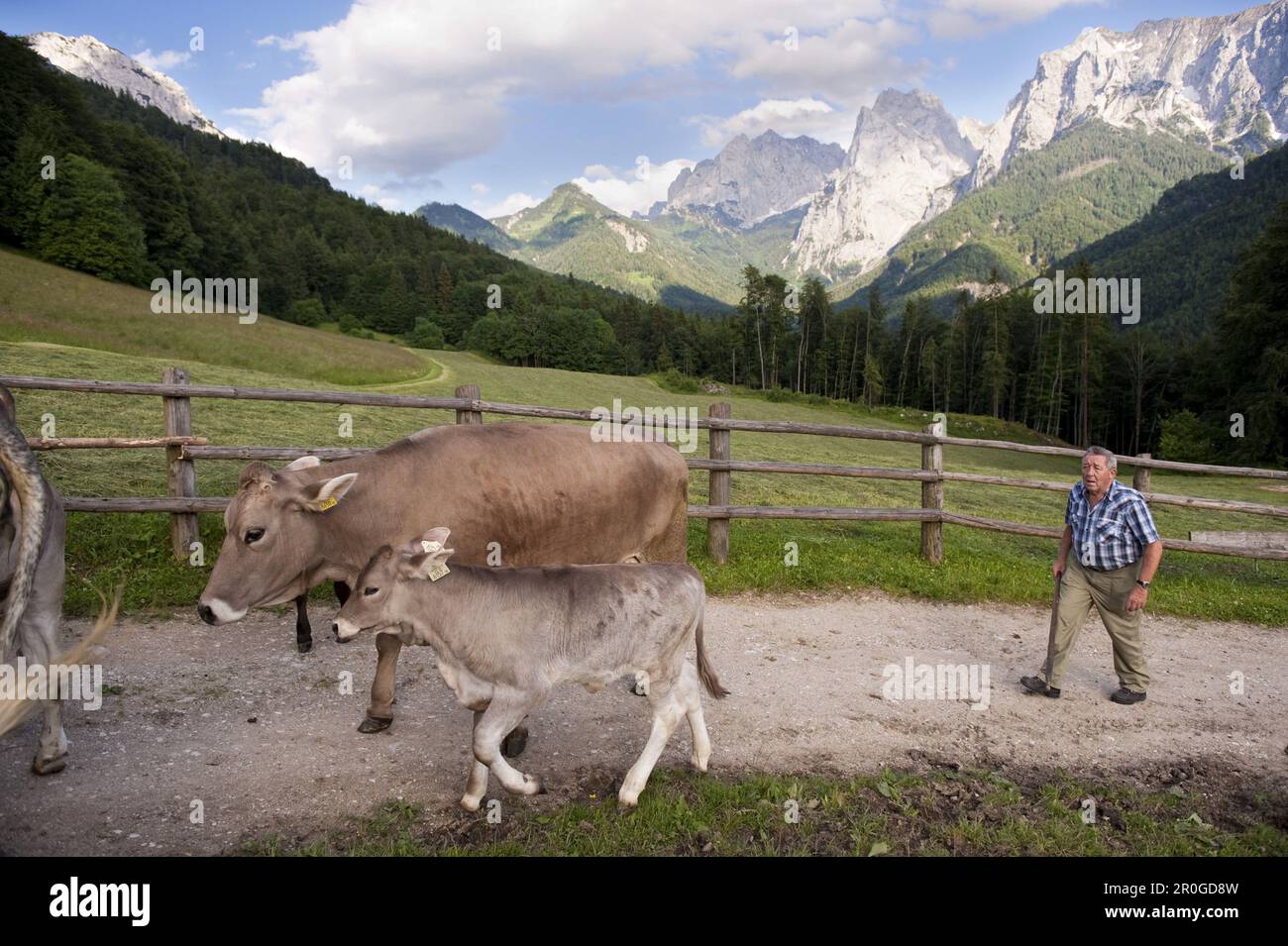
- Keep dogs on leashes at all times in alpine regions, even if cattle are not visible.
- Avoid approaching cattle, even if they appear calm. Maintain a distance of at least 50 meters.
- Stay on marked trails and avoid cutting through fields where cattle may be grazing.
- Carry a whistle to alert others in case of an emergency, as cell service can be unreliable in remote areas.
- Travel in groups when possible, as larger parties are less likely to provoke cattle.
The Austrian Alpine Club (ÖAV) has also launched a public awareness campaign, distributing posters and online resources with illustrations of cattle behavior and emergency protocols. “This tragedy is a stark reminder that even routine hikes can turn dangerous if basic precautions aren’t followed,” said Magdalena Bauer, a spokesperson for the ÖAV.
Community Response and Ongoing Investigations
The incident has sparked outrage in the local community, with residents of Oberlienz and Ramsau am Dachstein expressing shock and grief. Vigils have been held in nearby villages, and the couple’s neighbors have set up a memorial fund to support the husband’s recovery and any potential legal costs. Authorities have not yet determined whether the cattle’s owner will face any charges, as such incidents typically fall under civil liability rather than criminal prosecution.
The investigation is being led by the Austrian Ministry of Justice, with cooperation from the Federal Police and the regional veterinary office. Key questions remain unanswered, including:
- Whether the cattle were properly secured by their owner or herder.
- If warning signs were present near the grazing area.
- Whether climate-related changes (e.g., earlier snowmelt) have altered cattle migration patterns.
A spokesperson for the Austrian Ministry of Agriculture confirmed that grazing permits in the region will be reviewed, though no immediate restrictions have been announced. The ministry has also pledged to increase funding for public signage warning hikers about cattle zones.
Key Takeaways
- The attack occurred on September 1, 2025, near Ramsau am Dachstein, Austria, involving a 67-year-old woman who died and her 70-year-old husband who remains hospitalized.
- Cattle attacks on hikers are rare but have increased due to larger herds, more tourism, and dog-related triggers.
- Experts advise keeping dogs leashed, avoiding cattle, and staying on marked trails in alpine regions.
- An autopsy is pending to confirm the cause of death, with police investigating the circumstances of the attack.
- Austrian authorities are reviewing grazing practices and public safety measures in response to the incident.
What Happens Next?
The next critical checkpoint in this case will be the completion of the autopsy and the release of the official investigation report, expected within the next 4–6 weeks. The husband’s medical prognosis will also be a key focus, with updates anticipated from the hospital in Lienz. Meanwhile, the Austrian Alpine Club and local municipalities are planning additional safety workshops for hikers ahead of the 2026 summer season.
For those planning trips to Austria’s alpine regions, the Austrian Environmental Agency recommends checking ÖAV trail maps, which now include cattle-grazing warnings, and downloading the official emergency app for mountain rescue coordination.
Share your thoughts: Has this tragedy changed how you approach hiking in rural areas? Are you aware of similar incidents in your region? Join the discussion in the comments below, and share this article to raise awareness about alpine safety.
Keep reading