
Spring has arrived, and with it comes the annual ritual of transforming lawns into lush, green carpets—if you know the right timing. But when is the best moment to mow and fertilize your grass? Experts agree that getting these steps wrong can stress your lawn, attract pests, or even invite weeds. As temperatures rise—especially in cooler regions—many gardeners rush to fertilize too early, only to regret it later. The ideal window for spring lawn care is narrower than you might think, and understanding it can mean the difference between a vibrant yard and a struggling one.
For homeowners and gardeners, the urgency to “get ahead” of the season often leads to mistakes. For instance, applying fertilizer before the soil warms enough can wash away nutrients, while mowing too short too soon can damage new grass shoots. According to gardening guidelines from the Bavarian State Research Center for Agriculture (LWG), the timing of these tasks depends on climate, grass type, and regional microclimates. In many parts of Europe, for example, the optimal period for the first fertilization begins when daytime temperatures consistently reach 10–15°C (50–59°F), typically aligning with late April to early May—but this can vary by weeks depending on location.
This year, with unpredictable weather patterns and shifting seasonal norms, the stakes are higher. A well-timed approach not only promotes healthy grass but also reduces water waste and chemical runoff—a growing concern for environmental regulators. Below, we break down the science-backed steps to ensure your lawn thrives this spring, from the first cut to the final feed.
When to Mow: The First Cut of the Season
The first mow of the year is critical. Cutting too early—when grass is still dormant or recovering from winter—can leave it vulnerable to disease and pests. Conversely, waiting too long allows grass to grow too tall, making it harder to adjust the mower blade to the ideal height. According to German gardening experts, the rule of thumb is to wait until the grass reaches 7–8 cm (3–3.5 inches) in height before the first mow. This typically occurs when soil temperatures rise above 5°C (41°F), signaling that the grass is actively growing again.
Once you begin mowing, avoid cutting more than one-third of the grass blade at a time. This prevents stress and ensures the lawn recovers quickly. Sharpen your mower blades before the season starts—dull blades tear grass instead of cleanly cutting it, which can invite fungal infections. For those with Strapazierrasen (high-traffic lawns), such as those found in parks or sports fields, the German standard DIN 18917 recommends slightly higher cutting heights (up to 4–5 cm / 1.5–2 inches) to withstand heavier use.
Fertilizing Your Lawn: Timing and Types
The first fertilization of the year is often the most crucial, as it replenishes nutrients lost over winter. However, applying fertilizer too early—when soil is still cold and moist—can lead to nutrient leaching, wasting money and harming local waterways. The optimal time to fertilize depends on your grass type and climate:
- Cool-season grasses (e.g., fescue, ryegrass, bluegrass): Fertilize when soil temperatures reach 10–15°C (50–59°F), usually in late April to early May in temperate regions.
- Warm-season grasses (e.g., Bermuda, Zoysia): Wait until soil temperatures exceed 18°C (64°F)May or June.
For most homeowners in Europe, a slow-release fertilizer with a balanced NPK ratio (e.g., 10-10-10 or 12-12-12) is recommended for the first application. Avoid high-nitrogen fertilizers early in the season, as they can promote rapid (but weak) growth before the grass is ready. If your lawn has Filz (thatch) buildup—common in older lawns—consider vertikutieren (dethatching) before fertilizing to improve nutrient absorption.
Regional Variations: Adapting to Your Climate
Not all regions follow the same timeline. In northern Europe, where winters are colder, the first mow and fertilize may be delayed until May, while in southern Europe
To check if your soil is ready, perform a simple test: Press a 5 cm (2-inch) screwdriver into the ground. If it goes in easily, the soil is warm enough for fertilization. For precise local guidance, consult your country’s agricultural extension service or a regional gardening authority. Even well-intentioned gardeners make avoidable errors. Here are the top pitfalls—and how to sidestep them: For those using organic fertilizers, such as compost or manure, timing is even more critical. These take longer to break down and should be applied 2–3 weeks before synthetic fertilizers to allow for gradual nutrient release. After the first mow and fertilize, your lawn will need ongoing care. Plan for: The next key checkpoint for most lawns is the second fertilization in late spring or early summer, timed to support rapid growth during peak sunlight hours. For precise local schedules, refer to your regional gardening calendar or a soil-testing lab’s recommendations. With the right approach, your lawn can become a resilient, low-maintenance feature of your outdoor space—while also supporting local ecosystems by reducing chemical runoff. For further reading, explore DIN 18917 for technical standards or consult your local agricultural extension office for tailored advice. Have you struggled with spring lawn care? Share your tips or challenges in the comments below—or tag us on social media with your before-and-after results. Together, we can make this the season your lawn finally thrives!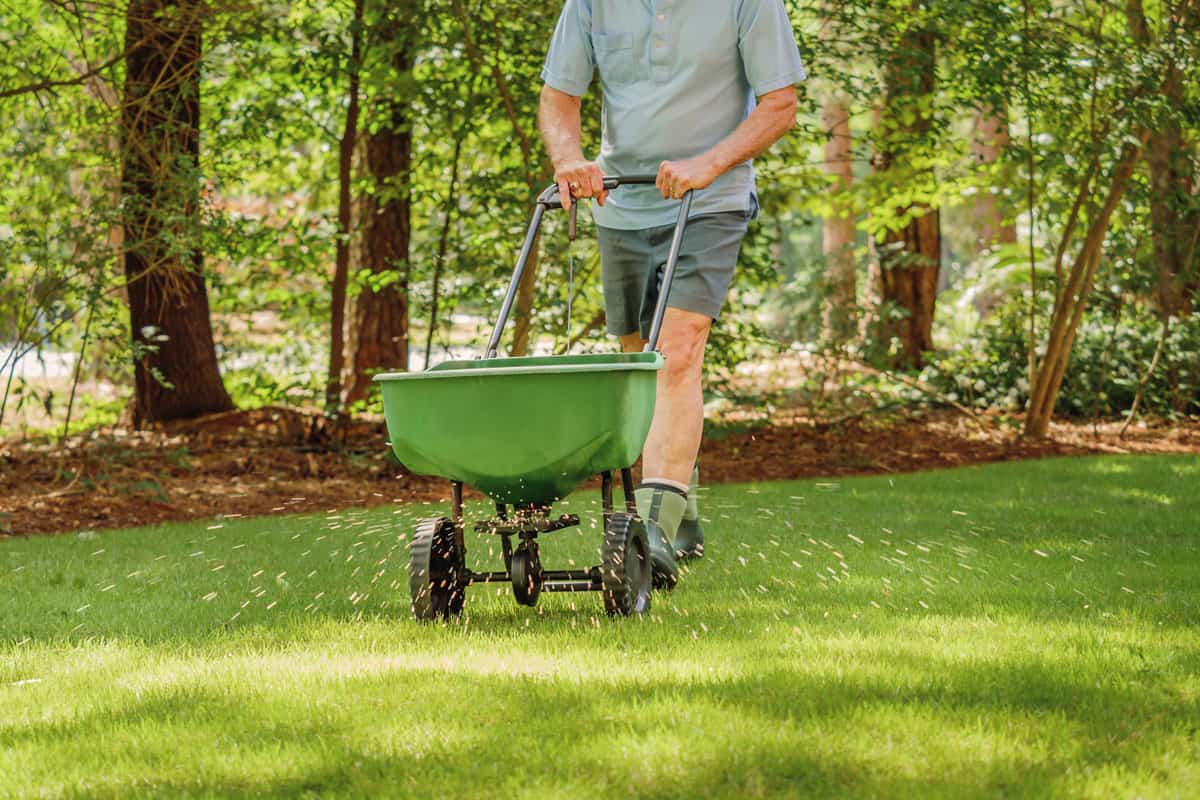
Common Mistakes to Avoid
What’s Next: Monitoring and Maintenance
Key Takeaways