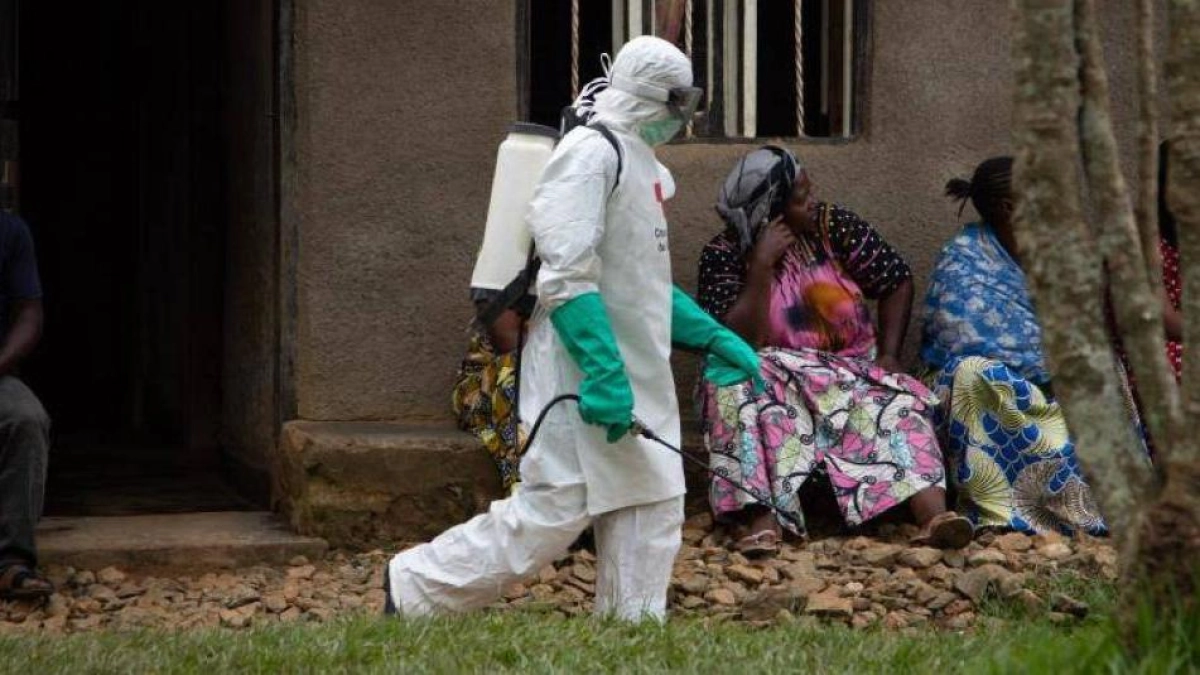
How Ebola Virus Attacks the Human Body: The Deadly Path of a Global Health Emergency
The Ebola virus doesn’t just infect—it systematically dismantles the human body from within. When it enters through broken skin or mucous membranes, it triggers a cascade of immune overreaction, organ failure, and catastrophic bleeding that has earned it the title of one of the world’s most lethal pathogens. The latest outbreak, declared a Public Health Emergency of International Concern (PHEIC) by the World Health Organization in May 2026, has reignited global fears about this silent killer. But how exactly does Ebola turn a healthy person into a critically ill patient within days? And why does it remain so difficult to contain?
As a physician and medical journalist, I’ve spent years studying infectious diseases that push human resilience to its limits. Ebola is particularly chilling because its progression isn’t just about the virus—it’s about the body’s own immune system turning against itself. The symptoms aren’t random; they follow a predictable, devastating pattern. Understanding this path isn’t just medical curiosity—it’s crucial for survival, whether you’re a frontline worker in the Democratic Republic of Congo or someone reading this from a city thousands of miles away.
The virus doesn’t spread like the flu through casual contact, but when it does take hold, the consequences can be catastrophic. With mortality rates reaching as high as 90% in some outbreaks, according to verified medical records, Ebola forces us to confront uncomfortable questions: Why do some patients survive while others don’t? What makes this virus so uniquely destructive? And most pressingly, how can we protect ourselves and our communities when the next inevitable outbreak occurs?
How Ebola Enters the Body: The First Silent Invasion
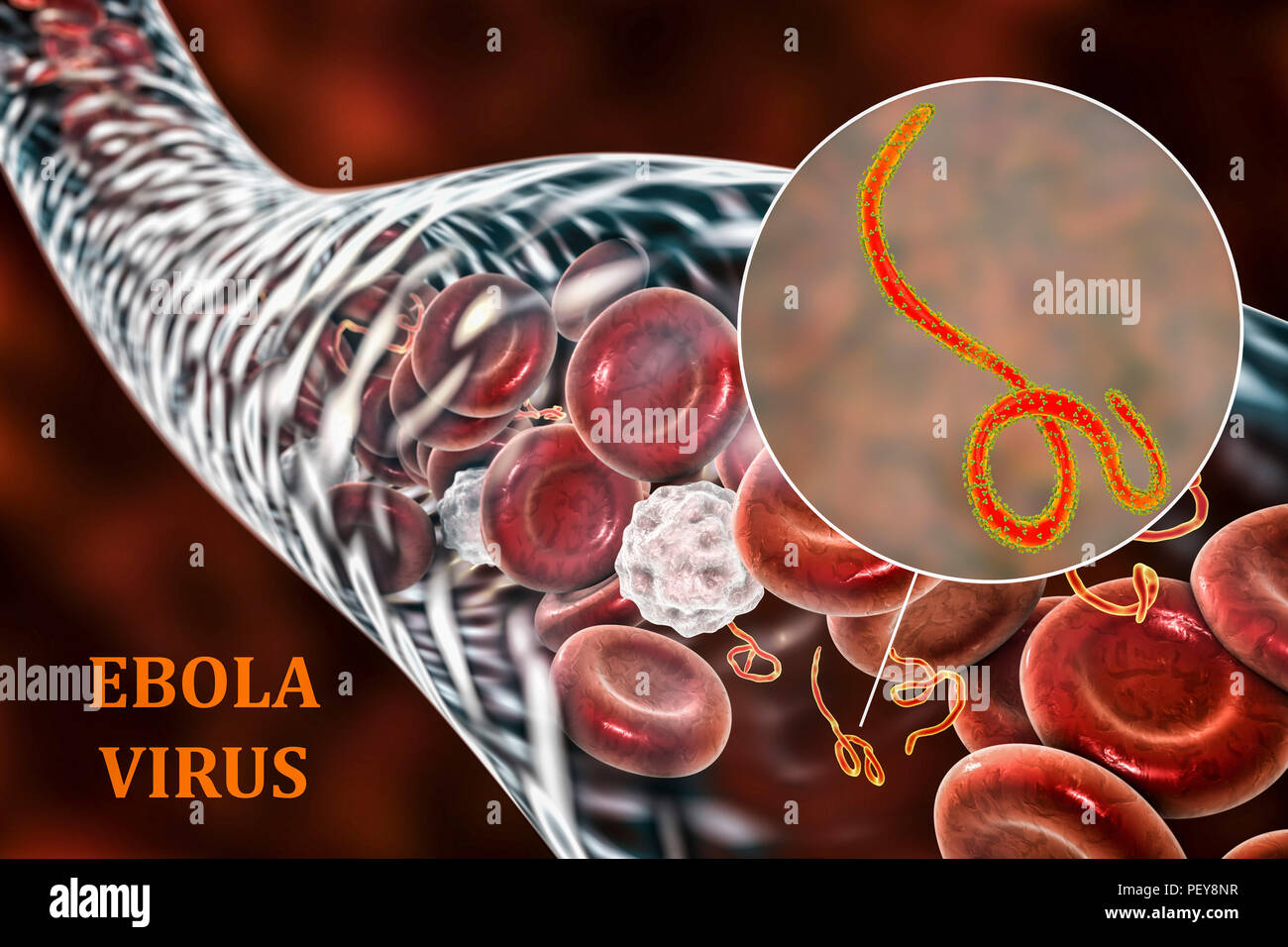
The Ebola virus gains entry through direct contact with infected bodily fluids—blood, vomit, feces, or sweat—or through broken skin and mucous membranes like the eyes, nose, or mouth. Unlike airborne viruses, Ebola can’t float through the air, but it’s far more dangerous once inside the body because it has evolved to evade the immune system with terrifying efficiency.
According to the World Health Organization’s fact sheet on Ebola, the virus belongs to the Filoviridae family, which includes some of the most lethal pathogens known to science. Once inside, Ebola targets endothelial cells—the delicate lining of blood vessels—and immune cells like macrophages and dendritic cells. These cells become factories for producing more virus particles, while simultaneously triggering an inflammatory storm that will later ravage the body.
Key Entry Points:
- Broken skin (cuts, abrasions, or needle sticks)
- Mucous membranes (eyes, nose, mouth)
- Direct contact with infected fluids (blood, vomit, feces, sweat, breast milk, or semen)
- Not airborne—Ebola does not spread through casual contact or respiratory droplets
“The virus doesn’t just infect cells—it hijacks them, turning them into viral replication machines while simultaneously triggering an immune response that becomes the patient’s greatest enemy.”
The Immune System’s Fatal Overreaction: Why Ebola Patients Bleed to Death
Here’s where Ebola becomes particularly sinister. Most viruses trigger a controlled immune response, but Ebola provokes an uncontrolled cytokine storm—a hyperactive immune reaction that floods the body with inflammatory signals. This storm causes:

- Vascular leakage: Blood vessels become permeable, leading to fluid loss and shock
- Coagulation disorders: The body’s clotting mechanisms go haywire, causing both uncontrolled bleeding and clotting in small vessels
- Organ failure: The liver, kidneys, and spleen—organs critical for filtering toxins and maintaining homeostasis—begin to fail
- Neurological symptoms: Headaches, confusion, and seizures as the brain becomes inflamed
The most terrifying symptom—hemorrhagic fever—occurs when the virus damages the endothelial cells lining blood vessels. This leads to:

- Internal bleeding (gastrointestinal tract, lungs, brain)
- External bleeding (nose, gums, injection sites)
- Petechiae (tiny red or purple spots from broken capillaries)
- In some cases, massive hemorrhaging that can be fatal within hours
Important Note: While bleeding is one of Ebola’s most feared symptoms, it doesn’t occur in every case. In fact, many patients die from multiorgan failure and shock before severe bleeding becomes apparent. The 2014-2016 West African outbreak, which infected over 28,000 people and killed 11,000, demonstrated that Ebola’s lethality comes from its ability to destabilize the entire physiological system.
Myth vs. Reality: Contrary to popular belief, Ebola is not contagious until symptoms appear. This 2-21 day incubation period is why contact tracing is critical during outbreaks.
The Step-by-Step Progression: What Happens Inside the Body?
Understanding Ebola’s progression helps explain why survival depends on early intervention. Here’s how the virus typically advances:
- Incubation Period (2-21 days):
- The virus replicates silently in lymph nodes and immune cells
- No symptoms, but the person is not yet contagious
- Average incubation is 8-10 days, according to CDC data
- Early Symptoms (Days 1-3):
- Sudden high fever (often >38.6°C or 101.5°F)
- Severe headache and muscle pain
- Fatigue and weakness
- Sore throat
- These symptoms are nonspecific and can mimic malaria, typhoid, or dengue fever
- Gastrointestinal Phase (Days 3-5):
- Nausea, vomiting, and watery diarrhea (can lead to severe dehydration)
- Abdominal pain and cramping
- Loss of appetite
- Critical Phase (Days 5-7):
- Immune system overreaction begins
- Rash may appear as immune cells try to contain the virus
- Confusion, irritability, or aggression as neurological symptoms develop
- Labored breathing as fluid leaks into the lungs
- Terminal Phase (Days 7-14):
- Multiorgan failure begins
- Severe bleeding from multiple sites
- Shock and coma as the body can no longer maintain vital functions
- Death typically occurs from fluid loss, sepsis, or organ failure
Survivors who make it past the critical phase often face long-term complications, including:
- Joint and muscle pain
- Vision problems (including uveitis and blindness)
- Hearing loss
- Persistent fatigue
- Psychological trauma
Why Survival Depends on Early Intervention
The difference between life and death with Ebola often comes down to timing. Patients who receive intensive supportive care within the first few days have significantly better outcomes. Here’s what medical teams focus on:
- Fluid replacement: IV fluids and electrolytes to combat dehydration from vomiting and diarrhea
- Blood pressure support: Medications to stabilize circulation
- Oxygen therapy: For patients with respiratory distress
- Anticoagulants: To prevent dangerous blood clots
- Experimental treatments:
While these treatments can improve survival rates, they require specialized medical facilities that are often unavailable in the hardest-hit regions. This is why prevention—through vaccination campaigns, contact tracing, and safe burial practices—remains the most effective strategy during outbreaks.
Key Takeaways: What You Need to Know About Ebola
- Transmission: Requires direct contact with bodily fluids from an infected person showing symptoms
- Incubation: 2-21 days (average 8-10 days) with no contagion during this period
- Lethality: Mortality rates vary by virus strain (25-90%), with the current outbreak involving the Zaire ebolavirus (most lethal strain)
- Symptoms: Begin with flu-like illness, progress to severe gastrointestinal and neurological symptoms, with potential bleeding in later stages
- Treatment: No specific antiviral exists; survival depends on supportive care and early intervention
- Prevention: Vaccination, contact tracing, and protective equipment are critical during outbreaks
Global Response: Why This Outbreak Triggered a WHO Emergency Declaration
As of May 2026, the ongoing outbreak in the Democratic Republic of Congo has prompted the WHO to declare a Public Health Emergency of International Concern (PHEIC). While Ebola outbreaks are not new—there have been over 30 since its discovery in 1976—the current situation meets several criteria that justify this rare designation:

- Geographic spread: Cases have been reported in multiple provinces, complicating containment efforts
- Community resistance: Distrust of health authorities has led to underreporting and delayed treatment
- Healthcare collapse: Local medical facilities are overwhelmed, increasing mortality rates
- International risk: Neighboring countries have reinforced border surveillance to prevent cross-border transmission
Countries like Kenia have already implemented enhanced screening at ports of entry, while global health organizations are mobilizing resources to support affected regions. The WHO’s declaration also triggers:
- Increased funding for research and response efforts
- Coordination between international health agencies
- Global stockpiling of medical supplies and vaccines
- Travel advisories for affected regions
What Can You Do? Practical Steps for Global Readers
While the risk of Ebola outside of affected regions remains extremely low, understanding the virus and supporting global health efforts can make a difference. Here’s how:
- Stay informed: Follow updates from the World Health Organization and Centers for Disease Control and Prevention
- Support global health: Donate to organizations like Médecins Sans Frontières (MSF) or the WHO Ebola Response Fund
- Prepare for travel: If visiting high-risk areas, follow CDC travel health notices
- Advocate for science: Support research into vaccines, treatments, and rapid diagnostic tools
Next Steps: The WHO will hold an emergency committee meeting on June 1, 2026, to reassess the outbreak’s status. In the meantime, the organization continues to coordinate with the DRC Ministry of Health and partner organizations to scale up response efforts. For the latest official updates, visit the WHO Emergencies Program.
Have questions about Ebola prevention or global health responses? Share your thoughts in the comments below or spread this critical information to help combat misinformation.
Worth a look
- Physical Activity for Adolescents with Obesity: Effects on Weight and Body Fat
- National Conference for Young Physicians 2026: Dates, Details & Registration
- UN Warns of Fastest-Ever Ebola Outbreak in DR Congo (archynewsy.com)
- Luxembourg and WHO Sign Landmark €47.5 Million Global Health Partnership (world-today-news.com)