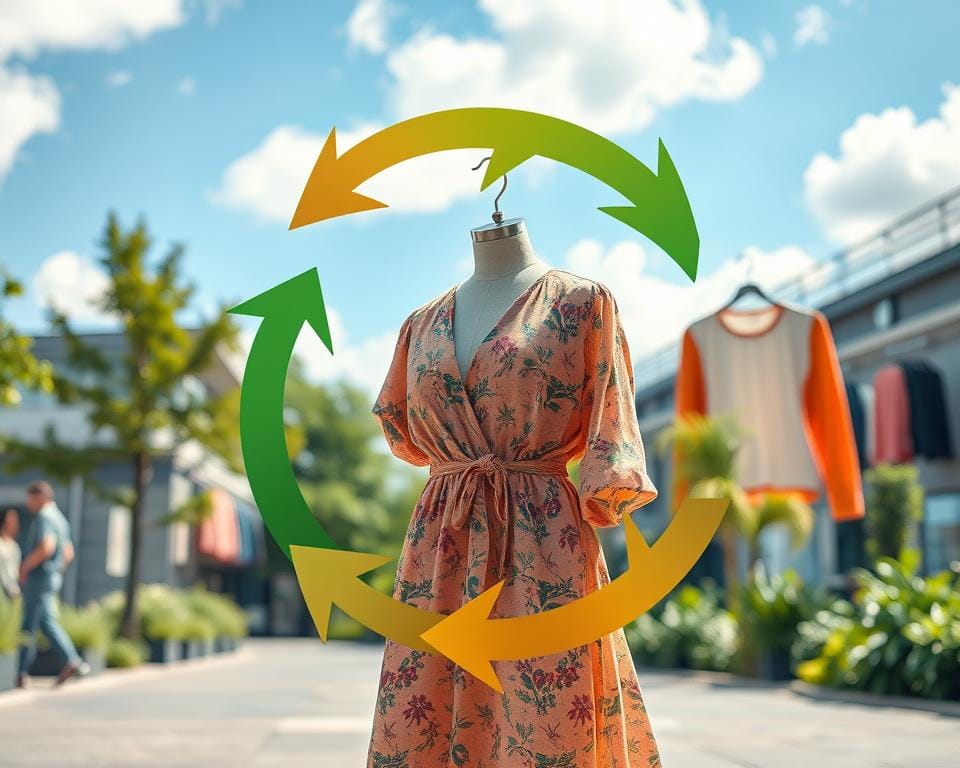
Bogotá is increasingly positioning itself as a hub for sustainable innovation, with the city’s creative sector embracing the principles of circular fashion to reshape its economic and environmental footprint. This shift toward resource efficiency and waste reduction is moving beyond niche workshops, gaining significant traction within the broader Colombian design landscape. As global interest in ethical production rises, the capital of Colombia is demonstrating how repurposed materials—from discarded denim to vintage textiles—can fuel both creative expression and commercial growth.
The recent iteration of Bogotá Fashion Week (BFW) underscored this momentum, serving as a critical platform for designers who prioritize sustainability. According to official reports, the 2026 event concluded with a record attendance of 31,500 participants, highlighting the growing public and professional interest in the industry. Beyond the foot traffic, the event generated notable economic activity, with organizers reporting 11.7 million dollars in projected business expectations, a figure that signals strong market confidence in the local fashion ecosystem as confirmed by data from El Heraldo.
The Rise of Circular Fashion in Bogotá
Circular fashion, an economic model that emphasizes the lifecycle of garments through recycling, upcycling, and sustainable material sourcing, has moved from the periphery to the center of the local design dialogue. For many Bogotá-based creators, the process begins with the recovery of materials that would otherwise contribute to landfill waste. By transforming post-consumer items—such as old denim jeans—into high-quality bags, accessories, and apparel, these designers are proving that environmental consciousness does not require a sacrifice in aesthetic quality.
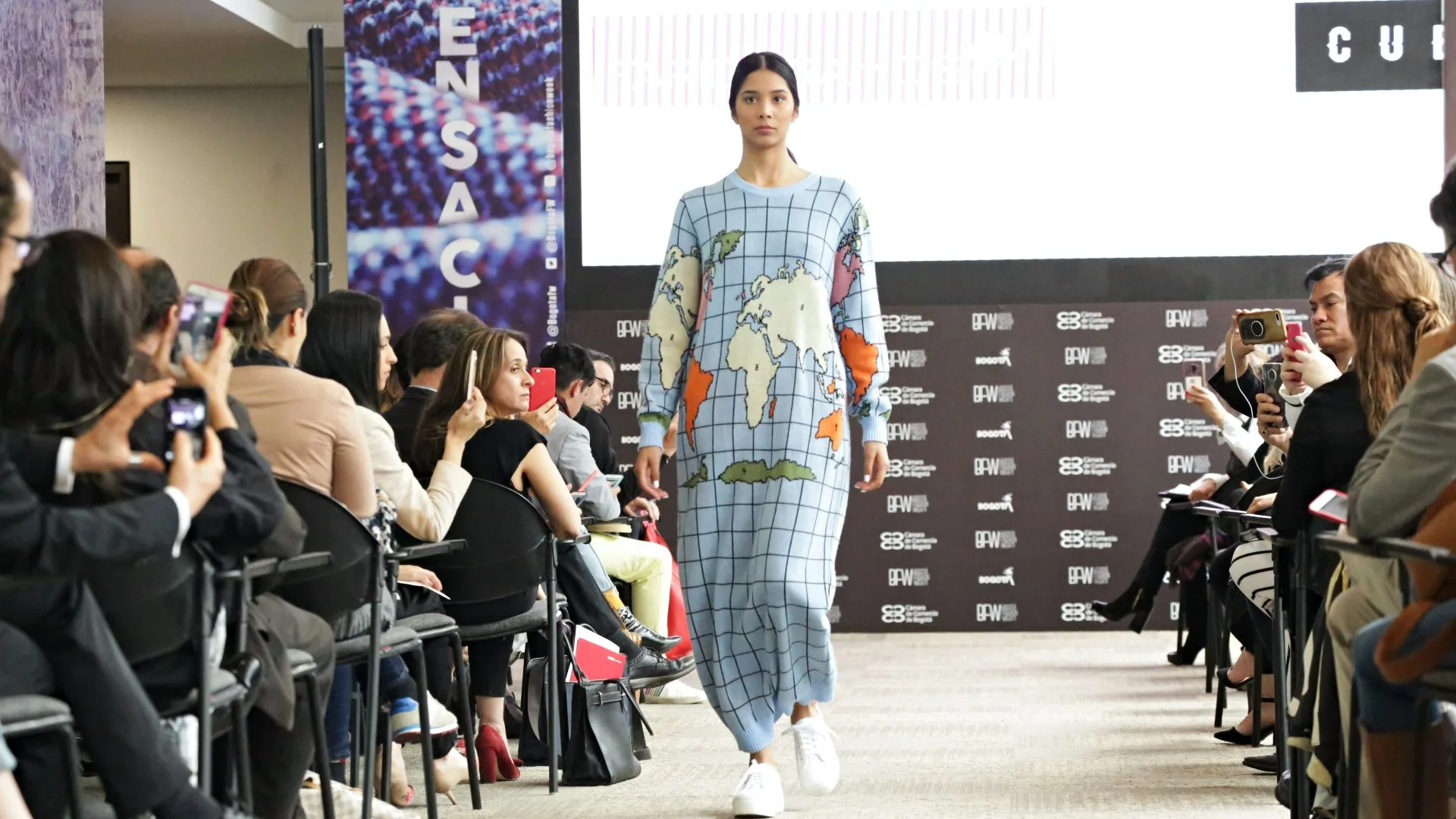
This movement is not merely a creative trend but a strategic response to the global demand for transparency and sustainability in textile production. Local initiatives, often led by women-owned enterprises and independent studios, have pioneered techniques to scale this circular production. By integrating traditional craftsmanship with modern design, these creators are successfully reaching both domestic and international buyers who prioritize the provenance of their purchases.
Economic Impact and Industry Growth
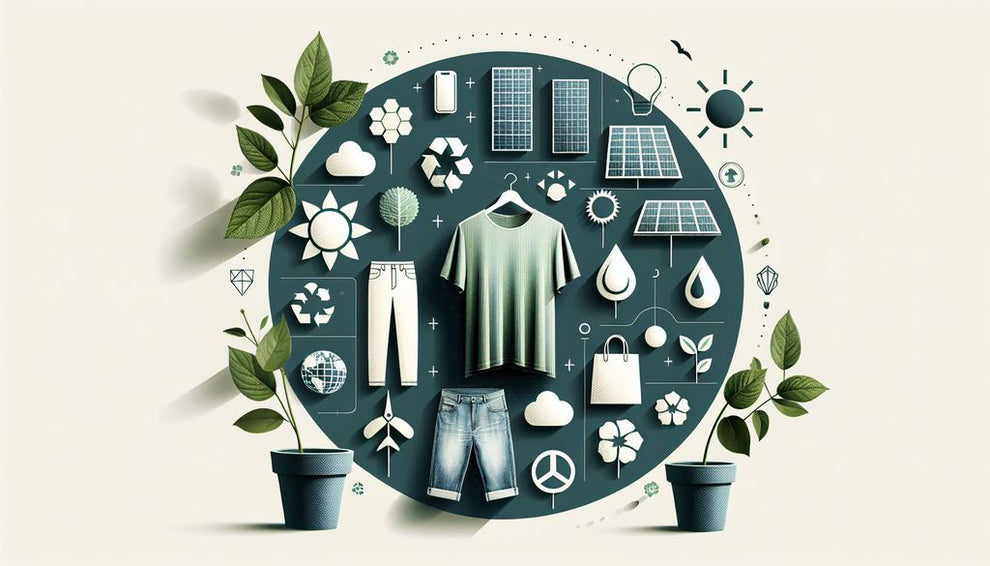
The economic data surrounding events like Bogotá Fashion Week suggests that sustainability is becoming a key driver of competitiveness for Colombian brands. With business expectations reaching 11.7 million dollars, the industry is proving that circular practices can be profitable at scale. This influx of interest provides designers with the capital necessary to refine their supply chains and invest in more sustainable technologies, such as water-saving dyeing processes and low-impact textile production, as noted in reports covering the business outcomes of the event.

the focus is expanding to include diverse segments of the market, including a renewed look at the future of menswear. Designers are increasingly experimenting with modular designs and durable, recycled fabrics to move away from the “fast fashion” cycle that has long dominated the retail sector. This evolution in the design process is helping to stabilize local employment while encouraging a shift in consumer behavior toward purchasing fewer, higher-quality items with a lower environmental impact.
Looking Ahead: The Next Phase of Sustainable Design
As Bogotá continues to refine its role in the global fashion market, the focus remains on institutional support and the continued professionalization of the circular economy. The success of the 2026 edition of Bogotá Fashion Week serves as a benchmark for future organizers and policymakers. The challenge for the coming years will be to maintain this growth while ensuring that small-scale artisans and large-scale manufacturers alike can adopt these sustainable practices without losing their unique identity.
For industry stakeholders and consumers, the next steps involve monitoring the upcoming industry forums and collaborative sessions scheduled by the Bogotá Chamber of Commerce. These venues are expected to provide further clarity on potential government incentives for sustainable textile production and the expansion of trade agreements for circular fashion products. We encourage our readers to stay tuned to official city portals and industry bulletins for updates on the next cycle of fashion development in the region.
Have you observed a shift toward circular fashion in your own community? Share your thoughts in the comments section below as we continue to track the evolution of global fashion trends.
Keep reading