
China to Boost US Agricultural Imports: $17 Billion Deal Signals Shift in Trade Dynamics
In a move that could reshape global agricultural trade, China has agreed to purchase at least $17 billion annually in US agricultural products, according to White House officials following a high-stakes diplomatic summit. The deal—centered on soybeans, beef, poultry, and other commodities—comes as both nations seek to stabilize trade relations amid ongoing economic tensions. While details remain subject to final negotiations, the agreement marks a significant shift in China’s import strategy and could provide a much-needed lifeline for US farmers facing market uncertainties.
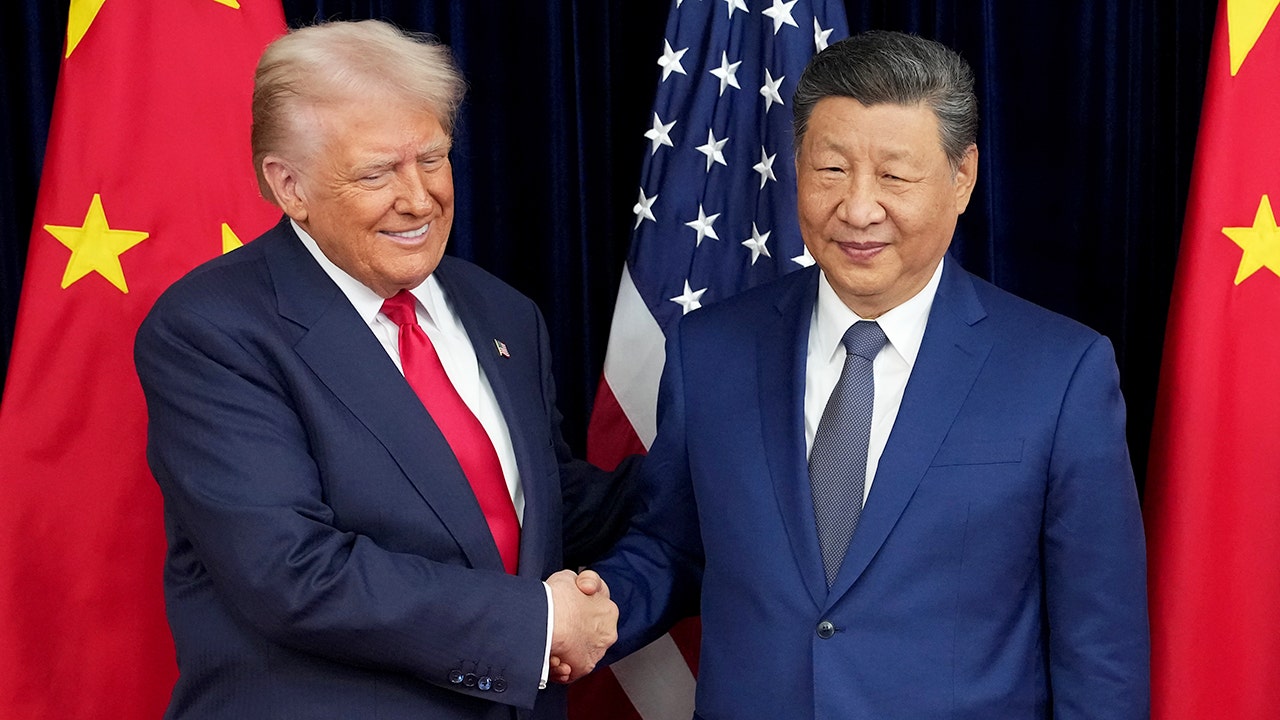
The announcement follows a landmark meeting between US President Donald Trump and Chinese President Xi Jinping in Beijing, where trade tensions—particularly over tariffs and agricultural exports—dominated discussions. Sources close to the negotiations confirm that China has committed to increasing its purchases of US agricultural goods, with soybeans expected to play a pivotal role. The deal also includes provisions for beef, poultry, and other high-demand commodities, addressing long-standing concerns among US farmers about market access in China.
For US agriculture, the potential impact is substantial. China is the world’s largest importer of soybeans, and American farmers have historically relied on Chinese demand to sustain profitability. The latest agreement, if fully implemented, could help offset losses from reduced exports to other markets, including those affected by recent trade disputes with Europe, and Asia. Meanwhile, Chinese officials have framed the move as part of broader efforts to diversify supply chains and reduce dependence on traditional agricultural suppliers.
What the $17 Billion Deal Means for US Farmers and Global Markets
The $17 billion figure, cited by White House officials, represents a significant commitment from China—a nation that has historically been cautious about large-scale agricultural imports due to food security concerns. While the exact breakdown of products has not been finalized, industry analysts anticipate that soybeans will comprise the bulk of the purchases, followed by beef, poultry, and dairy. The deal also includes provisions for rare earth minerals, though those negotiations remain separate and are expected to unfold over a longer timeline.
For US farmers, the news is a potential game-changer. The American Farm Bureau Federation has welcomed the agreement, stating that increased Chinese demand could help stabilize farm incomes at a time when global prices remain volatile. “This is a positive step forward for US agriculture,” said a spokesperson for the Farm Bureau. “Chinese markets have been a critical outlet for our products, and we hope to see continued growth in this relationship.”
The agreement reflects China’s strategic effort to balance economic growth with domestic food security priorities. While the US remains a key supplier, China is also exploring alternative sources to mitigate risks associated with trade disruptions.
— Senior Chinese trade official, as reported by Reuters
Tariff Reductions and Long-Term Trade Stability
Beyond the agricultural sector, the Trump-Xi summit has also seen discussions on tariff reductions, particularly in technology and manufacturing. While no formal agreements have been signed, both sides have signaled a willingness to explore reciprocal cuts to ease trade frictions. Chinese officials have emphasized that any tariff reductions will be tied to structural reforms, including intellectual property protections and market access improvements—a demand that has been a sticking point in past negotiations.
The timing of the announcement is notable. With the US presidential election cycle underway, agricultural states—particularly in the Midwest—have been vocal advocates for trade deals that benefit farmers. The current administration has framed the China agreement as a win for rural America, though critics argue that the deal does not go far enough to address deeper structural issues in US-China trade relations.
Global Market Reactions and Uncertainties
Markets have reacted cautiously to the news. While agricultural commodity prices saw a brief uptick following the announcement, traders remain skeptical about whether China will follow through on its commitments, given past instances where such agreements have stalled due to political or economic shifts. The International Monetary Fund (IMF) has noted that China’s economic slowdown could further complicate trade dynamics, potentially limiting the country’s ability to meet its import targets.
For China, the move aligns with broader efforts to reduce reliance on imports from traditional suppliers, including Australia and Brazil. The country has been actively seeking alternative sources for key commodities, including soybeans and rare earths, as part of a long-term strategy to secure supply chains amid geopolitical uncertainties. Analysts at the BBC suggest that the US deal may also serve as a diplomatic counterbalance to China’s deepening ties with other major economies, including Russia and members of the BRICS alliance.
Stakeholders and Next Steps
Several key stakeholders will play a role in determining the success of the agreement:

- US Farmers: Organizations like the American Soybean Association and National Cattlemen’s Beef Association will monitor implementation closely, ensuring that Chinese customs and regulatory hurdles do not hinder exports.
- Chinese Authorities: The Ministry of Commerce and the General Administration of Customs will oversee the import quotas and tariff adjustments, with a focus on maintaining domestic food price stability.
- Global Markets: Commodity traders and investors will watch for signs of follow-through, particularly in soybean and beef futures markets, where volatility remains high.
- US Government: The US Trade Representative’s office will need to finalize the legal and regulatory framework for the deal, including any tariff concessions from China.
The next critical checkpoint will be the formal signing of the trade agreement, expected to take place within the next 30–60 days, pending final negotiations. Both sides have indicated a willingness to move swiftly, but delays are possible if technical or political obstacles arise. In the meantime, US farmers are advised to prepare for potential increases in Chinese demand, while Chinese importers are reportedly conducting market assessments to align with the new quotas.
Key Takeaways
- $17 Billion Commitment: China has agreed to purchase at least $17 billion annually in US agricultural products, with soybeans as the primary focus.
- Tariff Discussions: Separate talks on tariff reductions for technology and manufacturing are underway, though no formal deals have been announced.
- US Farm Impact: The deal could
Keep reading