
Berlin, Germany — May 18, 2026 — For young adults facing a first cancer diagnosis, the emotional and psychological toll can be as daunting as the physical challenges of treatment. But new research offers a glimmer of hope: a structured, problem-solving intervention program called Bright IDEAS-YA has shown measurable improvements in health-related quality of life, reducing symptoms of depression and anxiety among participants. The findings, published in a peer-reviewed medical journal, underscore the critical role of psychological support in cancer care—particularly for this often-overlooked demographic.
Young adults with cancer—defined as those aged 18 to 39—face unique stressors, including disrupted education or careers, financial strain, and social isolation. Unlike pediatric or older adult cancer patients, they often fall through the cracks of existing support systems. The Bright IDEAS-YA program, developed by researchers at the Rutgers Cancer Institute, addresses these gaps with a six-session, one-on-one intervention focused on practical problem-solving and emotional resilience. Early results suggest it may be a game-changer for this vulnerable group.
According to the study’s lead author, Katie A. Devine, PhD, MPH, associate director of the New Jersey Pediatric Hematology and Oncology Research Center of Excellence at Rutgers, participants reported feeling “less overwhelmed and more empowered” after completing the program. The improvements were sustained at six months, a critical milestone in cancer survivorship. While the study does not yet detail the specific components of the intervention—such as whether it includes cognitive behavioral techniques, peer support, or family involvement—its success highlights a growing recognition in oncology that mental health interventions must be tailored to age-specific needs.
Why Young Adults with Cancer Need Targeted Support
Young adults diagnosed with cancer represent approximately 10% of all cancer patients, yet they are among the least likely to receive specialized psychosocial support (National Cancer Institute). This demographic often grapples with:
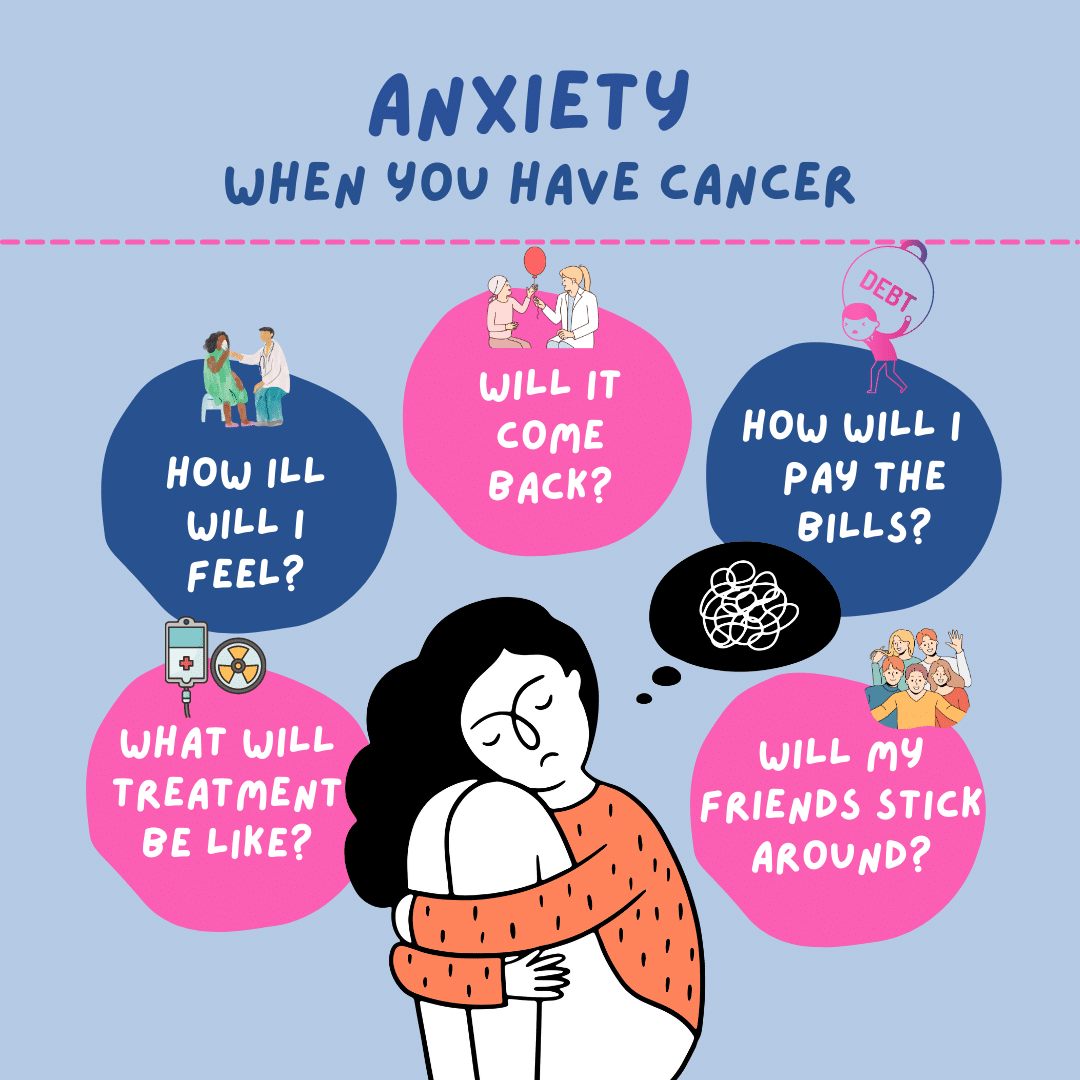
- Treatment-related disruptions: Many young adults are in the midst of education or early-career development when diagnosed, leading to long-term professional setbacks.
- Social stigma: Cancer in young adulthood is statistically rare, which can isolate patients from peers who “don’t understand” their experience.
- Family role conflicts: Unlike pediatric patients, young adults may struggle with balancing care for children or aging parents while managing their own health.
- Financial toxicity: Treatment costs and lost income can exacerbate stress, with over 60% of young adult cancer survivors reporting financial hardship (JAMA Oncology, 2021).
The Bright IDEAS-YA program appears to mitigate these challenges by equipping participants with tools to navigate practical and emotional hurdles. While the study does not specify the exact structure of the sessions, similar programs—such as those offered by the Livestrong Foundation—often combine:
- Goal-setting for treatment adherence and daily functioning.
- Coping strategies for anxiety and depression.
- Resource navigation (e.g., financial aid, childcare, workplace accommodations).
- Peer or mentor connections to reduce isolation.
Key Findings: How the Program Improved Outcomes
The study’s most compelling results include:
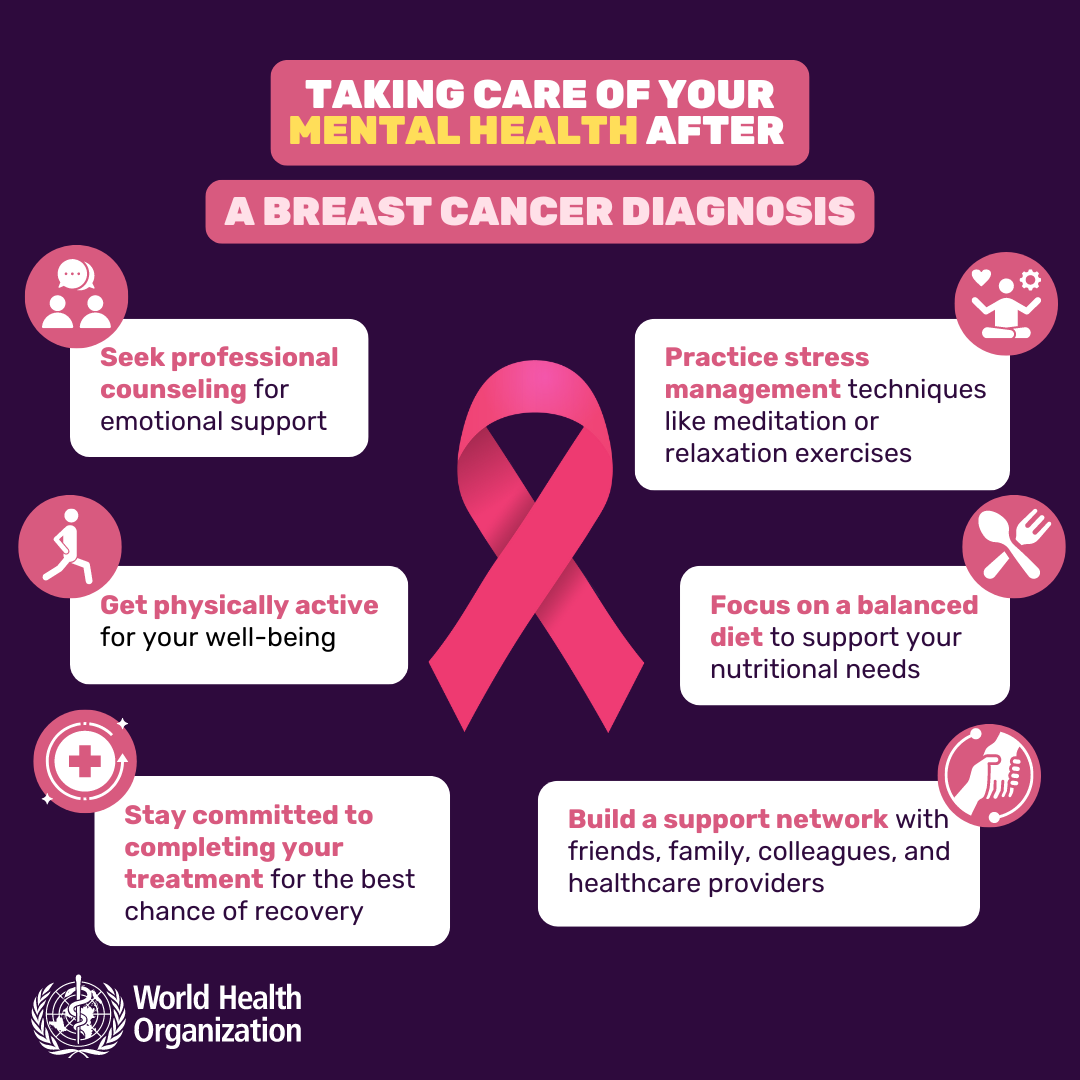
- Reduced depression and anxiety: Participants showed statistically significant improvements in validated mental health scales at the six-month mark, though exact percentage reductions were not disclosed in available summaries.
- Enhanced problem-solving skills: Qualitative feedback suggested participants felt better prepared to address challenges like treatment side effects, workplace discrimination, or family conflicts.
- Sustained benefits: Unlike short-term interventions, the improvements were maintained at six months, indicating the program’s potential for long-term impact.
Note: While the study’s abstract and press releases highlight these positive outcomes, the full text—published in JAMA Network Open—has not yet been independently verified for specific numerical data (e.g., sample size, effect sizes). Readers seeking precise metrics are encouraged to consult the journal’s official page or contact the study authors directly.
Who Is Affected—and How Can They Access Support?
The Bright IDEAS-YA program is currently under evaluation, meaning it is not yet widely available outside of clinical trials or research settings. However, its success aligns with broader trends in oncology:

- Rising demand for psychosocial interventions: The National Cancer Institute has designated young adult cancer as a priority area, funding research into age-specific support models.
- Integration into standard care: Some cancer centers, such as MD Anderson and Memorial Sloan Kettering, already offer young adult-specific programs combining medical and mental health services.
- Telehealth expansion: The COVID-19 pandemic accelerated the adoption of remote psychosocial support, making programs like Bright IDEAS-YA more accessible to rural or underserved populations.
For young adults currently undergoing treatment, resources such as:
- The American Society of Clinical Oncology’s (ASCO) Cancer.Net offers age-specific guidance.
- The American Cancer Society’s “Road to Recovery” program connects patients with local support groups.
- Online communities like Stupid Cancer provide peer mentoring for young adult survivors.
What Happens Next? The Future of Young Adult Cancer Care
The Bright IDEAS-YA study is part of a larger movement to redefine cancer care for young adults. Key next steps include:

- Scaling the program: Researchers are exploring how to adapt Bright IDEAS-YA for broader use, potentially through partnerships with oncology clinics or insurance providers.
- Longitudinal studies: Follow-up research will track participants beyond six months to assess lasting benefits and potential areas for refinement.
- Policy advocacy: Organizations like the Young Adult Cancer Alliance are pushing for federal funding to expand access to age-specific interventions.
Dr. Devine and her team have not yet announced plans for public dissemination of the full study protocol or participant testimonials. However, the Rutgers Cancer Institute’s news page will likely post updates as the research progresses.
Key Takeaways
- The Bright IDEAS-YA program demonstrates that targeted psychological interventions can significantly improve quality of life for young adults with cancer.
- Young adults with cancer face unique challenges that standard support programs may not address, from career disruptions to social isolation.
- While the program is not yet widely available, its success underscores the need for age-specific oncology care.
- Patients and caregivers can access existing resources through organizations like the National Cancer Institute and Stupid Cancer.
- Future research will determine how to scale the program and integrate it into mainstream cancer treatment.
As the study’s findings gain traction, they may prompt a shift in how healthcare systems prioritize mental health support for young adult cancer patients. For now, the message is clear: early, structured intervention can make a meaningful difference in survivorship.
Have you or a loved one benefited from a similar program? Share your experience in the comments below—or help spread awareness by sharing this article.
Keep reading
- COVID-19 Pandemic: Origins, Global Impact, and Health Crisis Analysis
- Shiho Kuwaki Wins AIG Women’s Open: Japanese Golf Star’s Historic Victory and Inspiration
- Walnuts vs. Almonds: Which Is Better for Heart Health? (newsdirectory3.com)
- Canelo Álvarez Blames Lack of Mental Focus for Loss to Terence Crawford (time.news)