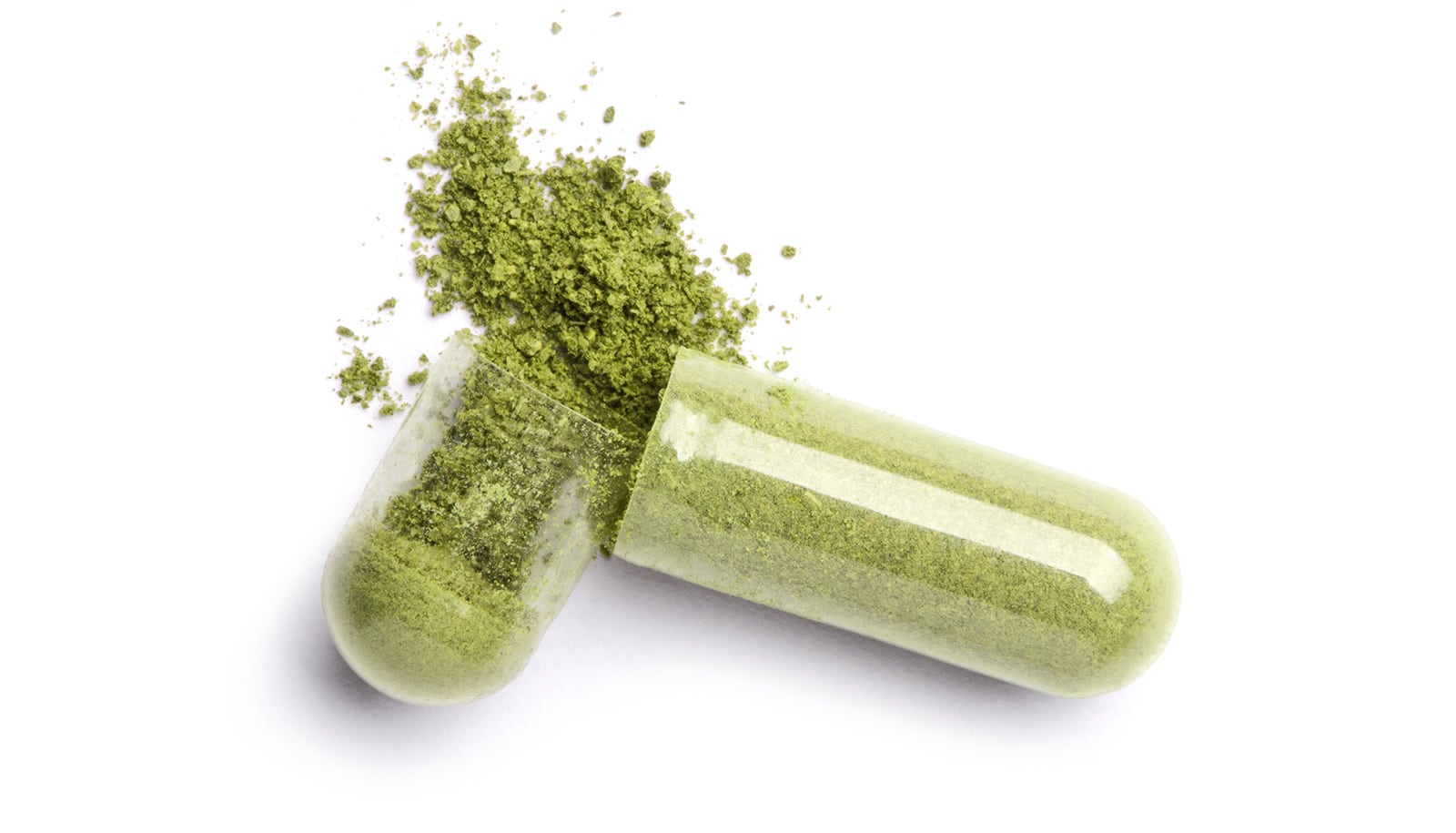
Rising Kratom Use in the US: New National Study Links Substance Trends to Mental Health Concerns
A significant shift in substance use patterns is emerging across the United States, as new research highlights a growing prevalence of kratom consumption. A recent national study has revealed that more than 5 million people in the U.S. Report having used kratom at some point in their lifetime. This figure is notable not only for its scale—surpassing the combined populations of the six smallest U.S. States—but also for its demographic reach, which includes more than 100,000 children between the ages of 12 and 17.
The study, which appears in the Journal of Addiction Medicine, provides the first known national look at how kratom is being used and how its consumption patterns intersect with mental health and substance use disorders. As the legal and regulatory landscape surrounding the plant continues to shift, researchers are raising concerns about the accessibility of the substance to minors and the potential for high-potency synthetic derivatives to enter the mainstream market.
The research, led by Sean Esteban McCabe, a professor at the University of Michigan School of Nursing and principal investigator, utilized data from the National Survey on Drug Use and Health collected from U.S. Households between 2021 and 2024. The findings suggest that kratom use is not only widespread but is also on an upward trajectory, even as various states implement different levels of regulation or outright bans.
Shifting Demographics and Increasing Prevalence
One of the most striking findings from the University of Michigan-led study is the steady increase in the share of Americans using the substance. For individuals aged 12 and older, the proportion of those reporting lifetime kratom use rose from 1.6% in 2021 to 1.9% in 2024. This upward trend is particularly pronounced among young adults.
The data indicates that adults between the ages of 21 and 34 report the highest levels of usage. Approximately 3.4% of this demographic reported using kratom at least once, while roughly 1% reported using it within the past year. This concentration of use among young adults highlights a specific demographic that may require targeted public health interventions and more robust education regarding the substance’s effects.
The scale of this usage is immense. To put the 5 million lifetime users into perspective, McCabe noted that this number is larger than the entire populations of Wyoming, Vermont, Alaska, South Dakota, North Dakota and Delaware combined. Such a significant portion of the population engaging with a substance that lacks FDA approval for medical use presents a complex challenge for public health officials.
Associations with Mental Health and Substance Use
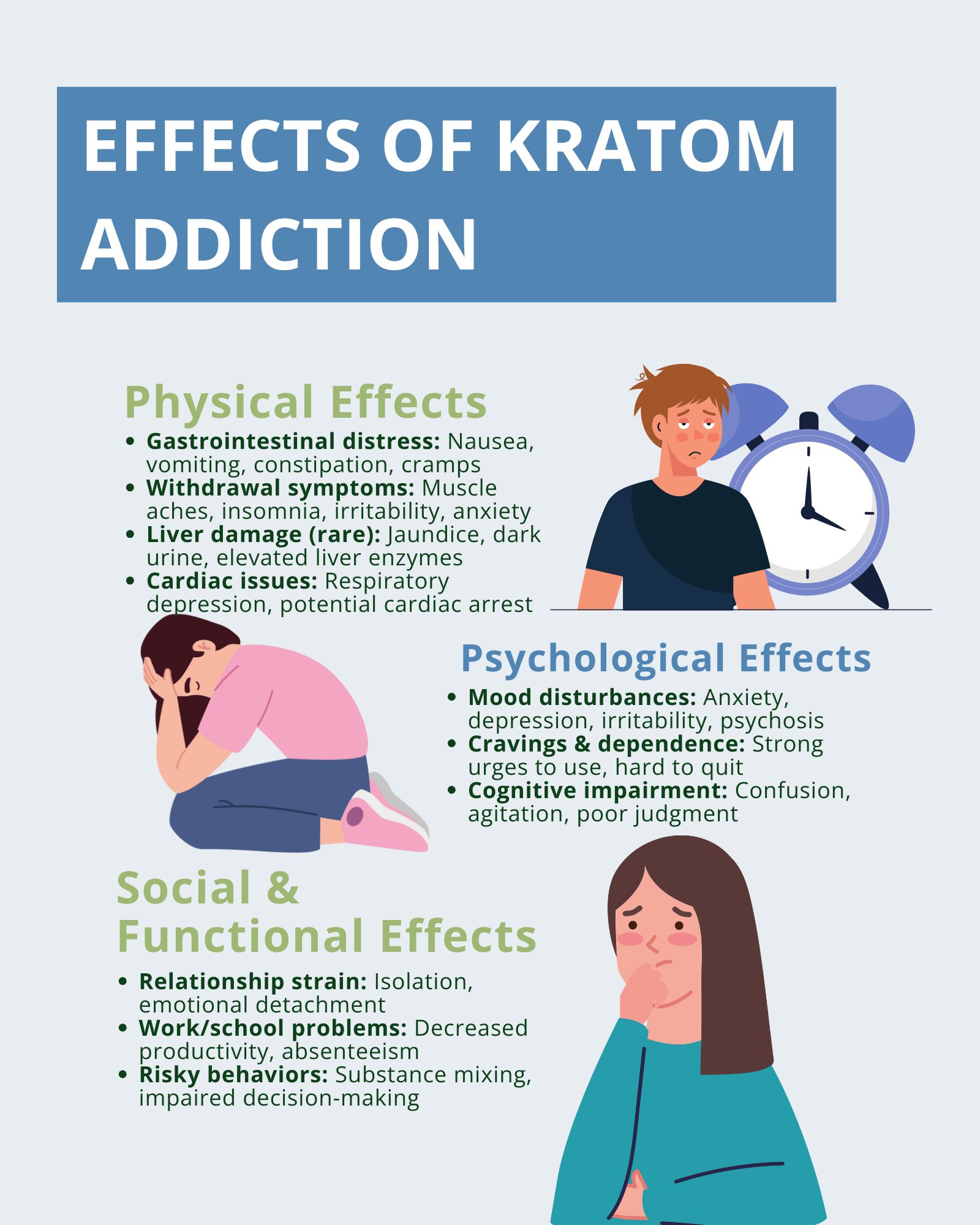
The study explored the relationship between kratom use and various psychological and behavioral factors. The researchers found that most individuals who currently use or have used kratom also report a substance use disorder and cannabis use. A significant number of these users reported experiencing major depression and serious psychological distress.
However, the researchers were careful to clarify the nature of these findings. Because the study captured a “snapshot in time” through survey data, it cannot establish a causal link. It remains unclear whether kratom use contributes to the development of mental health issues and addiction, or whether individuals experiencing psychological distress and existing substance use disorders are more likely to turn to kratom. The study identifies a correlation, not a proven cause-and-effect relationship.
The U.S. Food and Drug Administration (FDA) has not approved kratom for any medical use and has issued various warnings regarding the potential risks associated with its consumption, including the potential for addiction and serious side effects. Similarly, the U.S. Drug Enforcement Administration (DEA) has identified kratom as a drug or chemical of concern, reflecting the ongoing federal scrutiny of the substance.
The Rise of High-Potency 7-OH Products
Beyond the traditional use of the kratom plant—a Southeast Asian plant whose primary psychoactive chemical, mitragynine, is derived from its leaves and stems—a new and more potent threat has emerged: 7-hydroxymitragynine, or 7-OH. This synthetic derivative of the kratom plant is increasingly available in various forms, including tablets, gummies, and drinks.
These 7-OH products are frequently sold in gas stations, smoke shops, and through online retailers. The potency of these derivatives is a major point of concern for health experts; 7-OH products can be anywhere from five to 50 times more potent than regular kratom. In some instances, these products are even marketed with claims that they serve as a “legal morphine,” a marketing tactic that underscores the potential risks of unregulated, high-potency substances being sold in common retail environments.
The accessibility of these concentrated derivatives, combined with the ease of online purchasing, complicates the ability of regulators to protect vulnerable populations, particularly children, from exposure to highly psychoactive substances.
Regulatory Patchwork and Clinical Challenges
The management of kratom in the United States is complicated by a lack of uniform policy. Currently, about half of all U.S. States have either banned or implemented specific regulations for kratom. This patchwork of laws creates significant hurdles for public health policy and consistent enforcement.
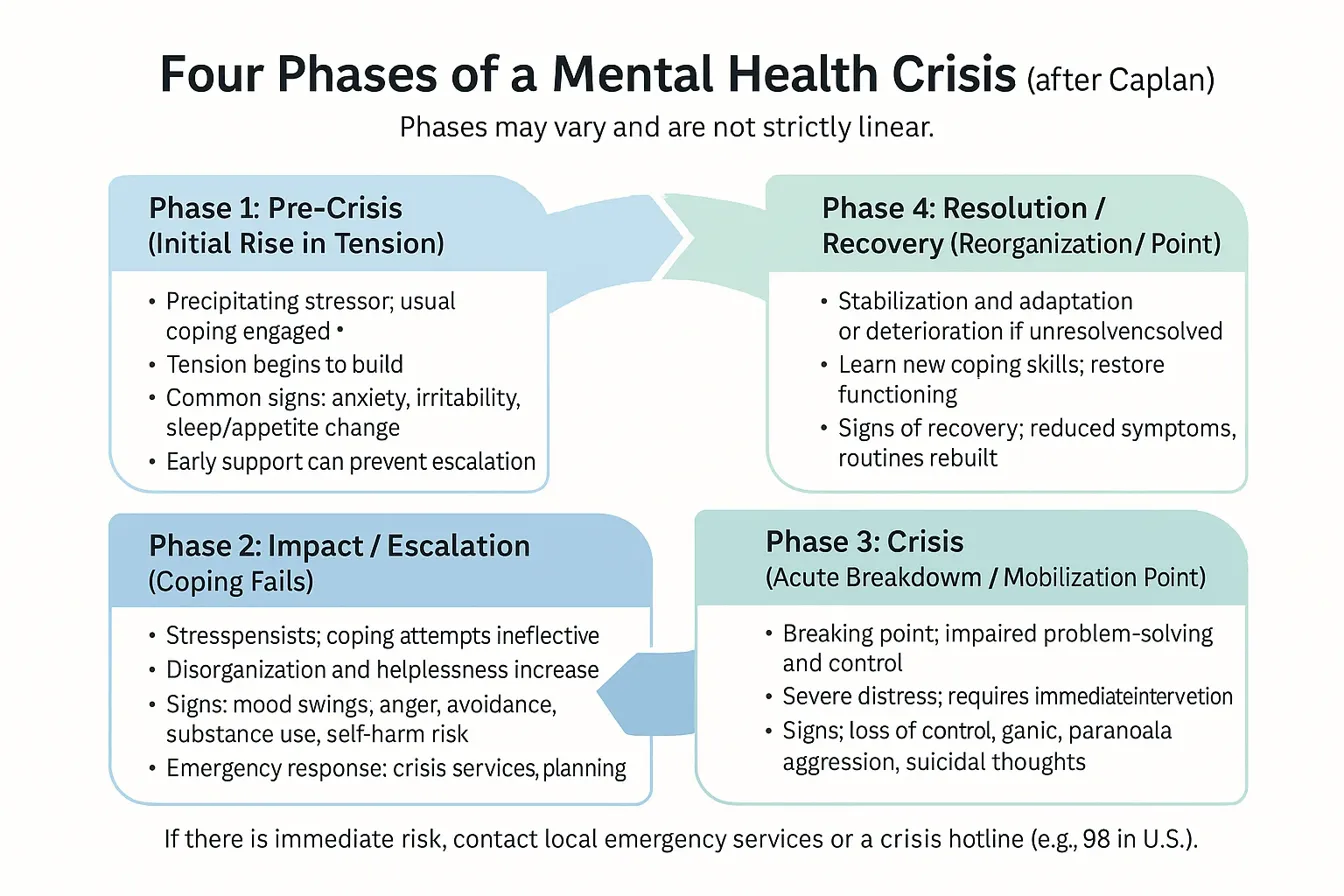
the study highlights a significant issue for medical professionals: the under-reporting of kratom use in clinical settings. Because kratom does not typically appear on standard drug toxicology screens, clinicians may be unaware of a patient’s kratom use unless they order specialized, targeted testing. This lack of visibility can hinder effective treatment for patients presenting with substance use disorders or mental health crises.
McCabe emphasized that unified policy changes regarding both traditional kratom and the highly potent 7-OH products are essential if the goal is to ensure child safety and manage the broader public health implications of rising use.
Key Takeaways from the National Study
- Scale of Use: Over 5 million Americans have used kratom in their lifetime, including over 100,000 minors (ages 12-17).
- Rising Trends: Lifetime use among those aged 12+ increased from 1.6% in 2021 to 1.9% in 2024.
- Demographic Peak: Adults aged 21-34 show the highest usage rates.
- Health Correlations: Significant associations were found between kratom use and substance use disorders, cannabis use, major depression, and psychological distress.
- Potency Concerns: Synthetic derivatives like 7-hydroxymitragynine (7-OH) can be 5 to 50 times more potent than standard kratom.
- Detection Issues: Kratom often requires specialized testing and is not detected by standard drug screens, leading to potential under-reporting in medical settings.
Summary of Usage Statistics (2021–2024)
| Metric | Reported Value/Trend |
|---|---|
| Total U.S. Lifetime Users | > 5 million |
| Child Users (Ages 12-17) | > 100,000 |
| Usage Rate (Ages 12+, 2021) | 1.6% |
| Usage Rate (Ages 12+, 2024) | 1.9% |
| Highest Use Group | Adults 21-34 (3.4% lifetime use) |
As researchers and policymakers continue to evaluate the impact of kratom and its synthetic derivatives, the focus remains on the need for better addiction and mental health treatment frameworks. The next steps for the scientific community will involve longitudinal studies to determine the direction of causality between kratom consumption and long-term mental health outcomes.
What are your thoughts on the regulation of herbal supplements and synthetic derivatives? We invite you to share your perspectives in the comments below and share this article with your network.
Related reading
- How to Reduce Digestive Issues Naturally
- Canada’s Multiculturalism Crisis: New Poll Reveals Harsh Reality of National Symbol
- Antiphospholipid Syndrome Case Highlights Stroke Risks in Elderly Patients (time.news)
- Microsoft Links CaptiveCrunch to Russian Threat Actor Midnight Blizzard (newsdirectory3.com)