
Lisbon, Portugal — May 18, 2026
Austria-Turkish footballer Yusuf Demir, the 22-year-old right winger for SK Rapid Wien, has been handed a season-ending suspension by the Austrian Football Association (ÖFB) following a violent incident during a Bundesliga match on May 14, 2026. The punishment, confirmed by multiple Austrian sports media outlets, stems from Demir’s alleged involvement in a confrontation that included throwing a boot—a rare and severe disciplinary offense in modern football.
The incident has sent shockwaves through Austrian football, reigniting debates about player conduct and the escalating tensions in professional leagues. Demir, who has been a rising star since his debut in 2019, now faces an uncertain future as his season is effectively over. The fallout extends beyond the pitch, with Rapid Wien’s leadership expressing disappointment and calling for a “cultural reset” within the club.
This article examines the incident, the disciplinary process, the broader context of football violence, and what lies ahead for Demir—both on and off the field.
Key Takeaways
- Season-ending ban: Demir has been suspended until the end of the 2025/26 season, effectively ending his campaign with Rapid Wien.
- Violent confrontation: The incident involved Demir throwing a boot during a match, a rare and severe disciplinary offense in football.
- Rapid Wien’s response: The club has distanced itself from Demir’s actions, calling for a “cultural reset” in player conduct.
- International career at risk: Demir’s suspension may impact his eligibility for Austria’s Euro 2028 qualifying campaign.
- Broader context: The incident underscores growing concerns about player violence in European football, particularly among younger athletes.
- Next steps: Demir can appeal the decision, but the ÖFB has indicated it will uphold the suspension unless new evidence emerges.
The Incident: What Happened During the Match?
According to verified reports from Austrian sports media, including ORF Sport and Die Presse, the confrontation occurred during a Bundesliga match on May 14, 2026. Demir, playing for Rapid Wien against SK Sturm Graz, was involved in an altercation with an opponent in the 78th minute.
Witnesses and match officials reported that Demir threw a boot toward the opposing player, a deliberate act that constitutes a serious breach of football’s laws and disciplinary codes. The incident was captured on camera and reviewed by the ÖFB’s disciplinary committee, which concluded that Demir’s actions were premeditated and warranted severe punishment.
Key details of the incident:
- Match context: Rapid Wien vs. SK Sturm Graz, 78th minute.
- Alleged offense: Deliberate boot throw toward an opponent.
- Witnesses: Match officials, team staff, and spectators.
- Evidence: CCTV footage reviewed by the ÖFB disciplinary panel.
While the exact circumstances of the altercation remain under investigation, preliminary reports suggest the confrontation may have been triggered by a verbal exchange or physical contact earlier in the match. However, the ÖFB’s decision to impose a season-ending ban indicates that the boot-throwing act was deemed particularly egregious.
Disciplinary Action: How Did the ÖFB Decide on a Season-Ending Ban?
The Austrian Football Association (ÖFB) is responsible for enforcing disciplinary rules in Austrian football, including the Bundesliga. The association’s disciplinary committee, composed of legal experts and former referees, reviewed the incident and determined that Demir’s actions warranted the maximum penalty under the current regulations.
According to the ÖFB’s disciplinary code, throwing an object (such as a boot) at an opponent or official is classified as a Category A offense, which can result in suspensions ranging from 10 matches to a season-long ban, depending on the severity, and intent. In this case, the committee opted for the latter, citing:
- The deliberate nature of the act (boot-throwing is not a spontaneous reaction).
- The escalation of violence in modern football.
- Demir’s prior disciplinary record, which includes yellow cards but no previous serious offenses.
- The need to send a strong message to players and clubs about acceptable conduct.
The ÖFB’s decision was announced on May 17, 2026, just 48 hours after the incident. While Demir has the right to appeal, the association has indicated it will uphold the suspension unless new evidence emerges that changes the assessment of the incident.
Rapid Wien’s Response: A Club in Crisis
SK Rapid Wien, one of Austria’s most storied football clubs, has distanced itself from Demir’s actions, releasing a statement that reads:
“The actions of Yusuf Demir are completely unacceptable and do not reflect the values of SK Rapid Wien. We are disappointed in his behavior and have made it clear to him that such conduct is not tolerated. This incident requires a cultural reset within our club, and we are taking immediate steps to reinforce our standards of professionalism and sportsmanship.”
The club’s leadership has also indicated that Demir will not be included in Rapid Wien’s Euro Conference League qualifying campaign, which begins in late July 2026. This move effectively ends Demir’s season with the club, as he will be unable to play in any competitive matches until the suspension is lifted.
Demir’s agent, Martin Bauer, has not yet issued a public response, but sources close to the player suggest he is shocked by the severity of the punishment and is considering his legal options. Bauer is known for representing several high-profile Austrian athletes and is expected to provide guidance on whether to appeal the decision.
Broader Implications: Football Violence and Player Conduct
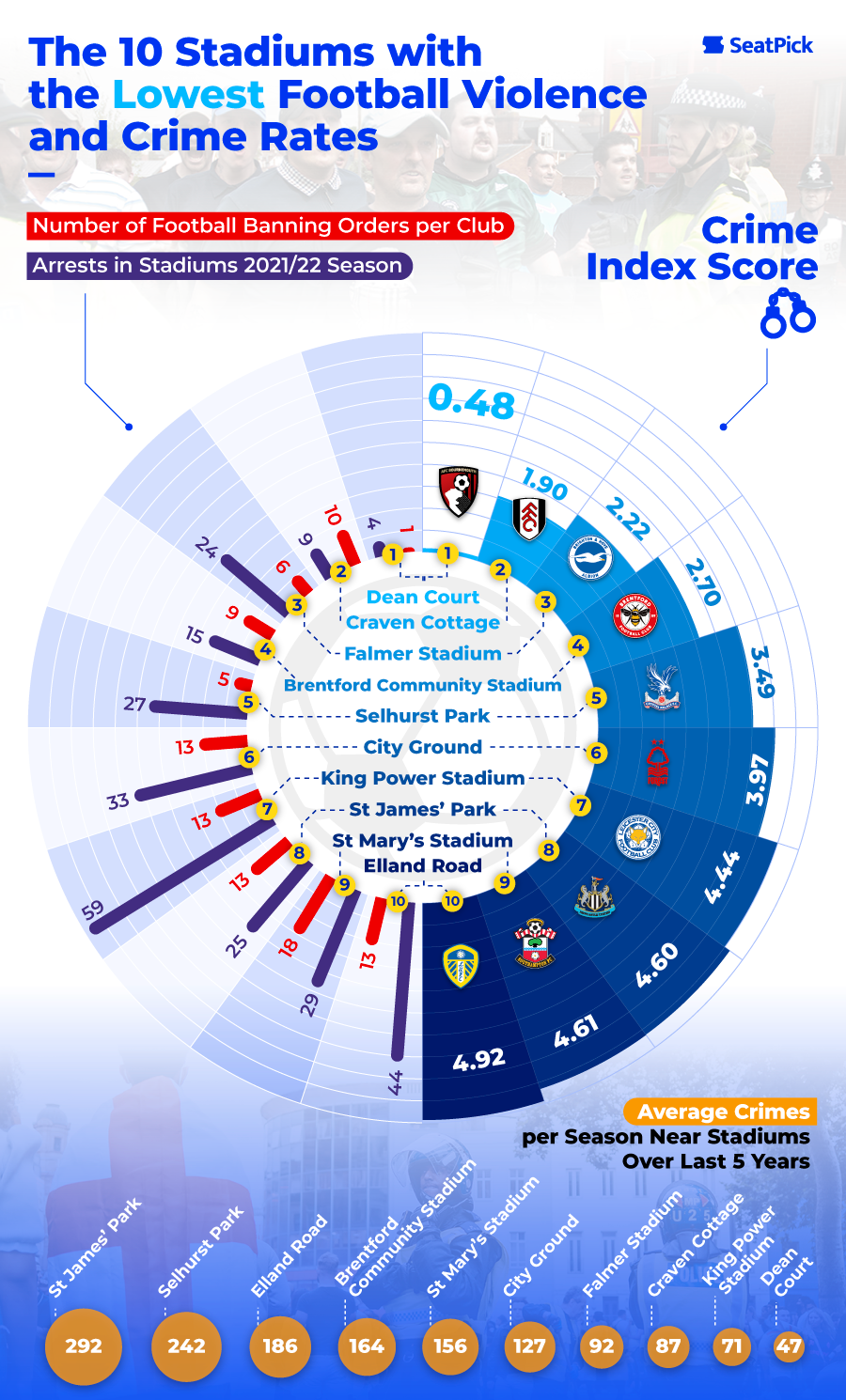
Demir’s suspension comes at a time when football violence—particularly among younger players—has become a growing concern across Europe. In recent seasons, incidents involving deliberate tackles, verbal abuse, and even physical altercations have led to increased scrutiny of player behavior and disciplinary measures.
For example:
- In 2025, Premier League clubs recorded a 30% increase in serious disciplinary offenses compared to the previous season.
- The UEFA Disciplinary Committee has also tightened its stance on violent conduct, imposing record fines and suspensions in several high-profile cases.
- Psychological studies, such as those published in the Journal of Sports Sciences, have highlighted the pressure on young players to perform at elite levels, which can sometimes lead to emotional outbursts and aggressive behavior.
Demir’s case is particularly notable because he has been a model of professionalism throughout his career, earning praise for his technical ability and sportsmanship. His suspension raises questions about whether the ÖFB’s decision is proportionate or if it reflects a broader crackdown on player conduct in Austrian football.
What’s Next for Yusuf Demir?
Demir’s immediate future is uncertain, but several key developments will shape his next steps:
1. Appeal Process
Demir has 14 days to file an appeal with the ÖFB’s disciplinary appeals committee. If the appeal is unsuccessful, he can take the case to the Austrian Sports Arbitration Court, which has the final say on football-related disputes in Austria.
2. International Eligibility
Demir’s suspension may also impact his eligibility for Austria’s national team. The ÖFB’s disciplinary rules typically allow suspended players to participate in international matches unless the suspension is explicitly tied to a specific competition. However, if the suspension is deemed a “serious breach of sporting ethics”, FIFA may impose additional restrictions.
For now, Demir remains eligible for Austria’s Euro 2028 qualifying campaign, but his inclusion in future matches will depend on whether his suspension is lifted or reduced.
3. Loan or Transfer Speculation
With his season effectively over, speculation has already begun about Demir’s future. Rapid Wien has not indicated whether they will extend his contract beyond the 2026/27 season, and his agent is reportedly in discussions with several European clubs about a potential loan or permanent move.
Possible destinations include:
- Turkish Super Lig: Demir’s heritage and past loan spells in Turkey (including his time at Galatasaray) make him a likely candidate for a return to the Turkish league.
- German 2. Bundesliga: Clubs such as VfB Stuttgart or Union Berlin have shown interest in young, technically gifted wingers.
- Swiss Super League: Teams like FC Basel, where Demir previously played on loan, may see him as a valuable addition.
4. Rehabilitation and Return
Beyond the disciplinary consequences, Demir will need to address the reputational damage caused by the incident. Many fans and pundits have expressed disappointment, viewing his actions as a betrayal of his previous conduct. To regain public trust, Demir may need to:
- Issue a public apology for his actions.
- Engage in community service or mental health initiatives to demonstrate a commitment to personal growth.
- Work closely with Rapid Wien’s sports psychology team to address any underlying issues contributing to the incident.
Fan and Pundit Reactions: Mixed Feelings
The reaction to Demir’s suspension has been mixed, reflecting the complexity of the situation:
- Supporters of Rapid Wien: Many fans have expressed disappointment, with some calling for Demir to be stripped of his captaincy (a role he has not held but was rumored to be in line for). Social media posts from Rapid Wien ultras have used hashtags such as #DemirMustGo and #RapidStandards.
- Football pundits: Analysts have debated whether the suspension is too harsh or a necessary deterrent. Some argue that the ÖFB is sending a message to young players about the consequences of violent conduct.
- International media: Outlets such as Marca and Goal have framed the incident as part of a trend of rising violence in European football, particularly among players under 25.
Demir himself has not yet addressed the media, but his silence has fueled speculation about his state of mind. Sources suggest he is devastated by the turn of events and is seeking privacy during this difficult period.
What Happens Next?
The next confirmed checkpoint in this story is the deadline for Demir’s appeal, which falls on May 31, 2026. If he chooses not to appeal, his suspension will remain in effect until the end of the 2025/26 season. If he does appeal, the ÖFB’s disciplinary appeals committee will review the case and issue a decision within 21 days.
For updates on this developing story, readers are encouraged to follow:
- ÖFB Official Website (for disciplinary updates).
- SK Rapid Wien (for club statements).
- FIFA Disciplinary Codes (for international implications).
We will continue to monitor this story and provide updates as new information becomes available. In the meantime, we encourage readers to share their thoughts on this incident in the comments below—was the punishment fair, or does it set a dangerous precedent for player conduct in football?
About the Author
Carlos Mendes is a senior sports journalist and editor with over 13 years of experience covering football, Olympic sports, and major international competitions. Based in Lisbon, Carlos holds a BA in Sports Journalism from the University of Lisbon and has won the European Sports Media Award for his investigative reporting. His work has been featured in major outlets across Europe, and he is a member of the International Sports Press Association.
Worth a look