
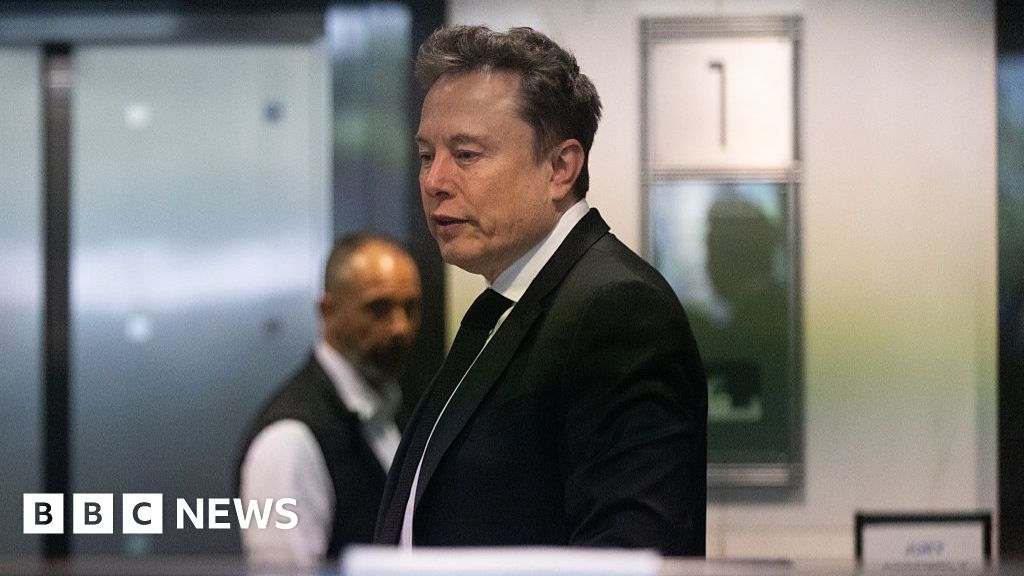
A high-stakes legal battle between two of Silicon Valley’s most influential figures has ended abruptly after a California jury ruled that Elon Musk waited too long to sue OpenAI and its leadership. The unanimous verdict, delivered in Oakland on Monday, May 18, 2026, dismissed all claims in Musk’s lawsuit against OpenAI CEO Sam Altman and President Greg Brockman, effectively shutting down a three-week trial that had laid bare tensions over the future of artificial intelligence and the original mission of the nonprofit-turned-company.
The ruling marks a decisive victory for Altman and Brockman, who faced accusations from Musk that they had abandoned OpenAI’s founding principles—a nonprofit commitment to advancing AI for the public good—by pivoting toward commercialization and profiting from the company’s success. Musk, who co-founded OpenAI in 2015 alongside Altman and others, had argued in court that the shift constituted a “breach of charitable trust.” However, the jury’s decision hinged on a far narrower issue: the statute of limitations. According to court records, the panel determined that Musk’s 2024 lawsuit was filed beyond the legally permissible window for such claims.
Judge Yvonne Gonzalez Rogers of the U.S. District Court for the Northern District of California swiftly upheld the jury’s verdict, stating that “there’s a substantial amount of evidence to support the jury’s finding.” The case had captivated tech observers not only for its legal stakes but also for the personal and ideological clash between Musk, a staunch advocate for open-source AI, and Altman, whose leadership has steered OpenAI toward a hybrid model blending research with lucrative partnerships. The trial also exposed the complexities of governing a once-nonprofit entity now valued at tens of billions of dollars.
Why the Statute of Limitations Doomed Musk’s Case
At the heart of the jury’s decision was a technical but critical legal hurdle: the timeline for filing a breach-of-trust claim. According to court filings, Musk’s lawsuit was initiated in January 2024, nearly a decade after OpenAI’s founding and several years after Musk’s departure from the company’s board in 2018. Legal experts consulted by World Today Journal note that such claims often carry strict deadlines—typically ranging from three to six years—depending on the jurisdiction and the nature of the alleged breach. In this instance, the jury determined that the applicable statute of limitations had expired before Musk filed his suit.
Musk’s legal team had argued that the case involved ongoing harm to OpenAI’s original mission, a claim that would reset the clock on the statute of limitations. However, the jury rejected this interpretation, sidestepping the broader questions of whether Altman and Brockman had acted in violation of OpenAI’s founding agreements. The ruling underscores how even high-profile legal battles can hinge on procedural details rather than the merits of the underlying dispute.
The Broader Implications for OpenAI’s Future
The dismissal of Musk’s lawsuit does not resolve the fundamental questions about OpenAI’s direction, but it removes one of the most visible legal threats to the company’s stability. OpenAI, which developed ChatGPT and other widely used AI models, has faced scrutiny over its governance, funding, and the balance between its nonprofit roots and commercial ambitions. Musk’s lawsuit had framed the conflict as a fight to preserve OpenAI’s original ethos, but the court’s decision leaves that debate unresolved.


For Altman and Brockman, the verdict is a relief, allowing them to focus on OpenAI’s strategic priorities without the distraction of litigation. The company has already announced plans to expand its AI research and partnerships, including collaborations with Microsoft and other tech giants. Meanwhile, Musk has not signaled whether he will appeal the decision. Legal analysts suggest that an appeal would face significant challenges, given the jury’s clear and unanimous verdict.
Beyond the courtroom, the case has reignited discussions about the governance of AI research organizations. OpenAI was initially structured as a nonprofit with the goal of ensuring AI benefits humanity, but its evolution into a for-profit-adjacent entity has raised questions about accountability. Musk’s lawsuit had framed these changes as a betrayal of trust, while Altman and Brockman have defended their decisions as necessary to advance AI development at scale. The jury’s ruling does not settle this debate, but it may reduce the immediate pressure on OpenAI’s leadership.
What Happens Next for Musk and OpenAI?
With the lawsuit dismissed, the focus now shifts to OpenAI’s next steps and Musk’s potential responses. Musk has been vocal about his concerns over AI safety and governance, and while he has not ruled out further legal action, industry observers suggest that an appeal would be unlikely to succeed. The case has also drawn attention to Musk’s broader role in the tech industry, where his influence spans companies like Tesla, SpaceX, and xAI, his own AI-focused venture.
For OpenAI, the immediate priority will be maintaining investor confidence and continuing its rapid pace of innovation. The company’s valuation and partnerships remain strong, but the legal saga has highlighted the challenges of balancing mission-driven goals with commercial success. Altman has previously stated that OpenAI’s hybrid model—part nonprofit, part for-profit—is essential to its ability to compete with other AI labs. The court’s decision may allow the company to proceed with that model without further legal interference.
Musk, meanwhile, has not commented publicly on the verdict beyond acknowledging the jury’s decision. His legal team did not respond to requests for comment from World Today Journal. However, Musk’s history of litigation—including high-profile cases involving Tesla and Twitter—suggests he may explore other avenues to address his concerns, whether through regulatory pressure, public advocacy, or further legal challenges.
Key Takeaways
- Legal Victory for OpenAI: A California jury unanimously dismissed Elon Musk’s lawsuit against OpenAI CEO Sam Altman and President Greg Brockman, citing the statute of limitations.
- Statute of Limitations Decides the Case: The jury ruled that Musk’s 2024 lawsuit was filed too late, avoiding the merits of his claims about a breach of OpenAI’s charitable mission.
- No Immediate Appeal Expected: Legal experts suggest Musk is unlikely to appeal, given the jury’s clear verdict and the procedural nature of the ruling.
- OpenAI’s Future Unchanged: The dismissal removes a legal obstacle but leaves unresolved debates about the company’s governance and commercialization.
- Broader Implications for AI Governance: The case highlights tensions between nonprofit ideals and the realities of scaling AI research in a competitive market.
- Musk’s Next Moves Unclear: While Musk has not commented on the verdict, he may pursue other strategies to influence OpenAI’s direction.
Where to Follow Updates
For the latest developments on OpenAI’s legal and strategic direction, readers can monitor:

- OpenAI’s official website for company announcements and updates.
- NPR’s Tech coverage for ongoing analysis of the legal and industry implications.
- Reuters Legal for further reporting on the case and potential appeals.
- Court records for the U.S. District Court, Northern District of California, where the trial was held.
The next confirmed checkpoint for this story is the potential filing of an appeal, though no timeline has been set. Musk’s legal team has not indicated whether they will pursue one. In the meantime, OpenAI’s leadership will likely focus on its upcoming projects, including advancements in AI safety, research, and commercial partnerships.
This ruling underscores the complexities of governing cutting-edge technology companies, where legal, ethical, and financial considerations often collide. As the AI industry continues to evolve, the debate over mission versus profit will remain a defining challenge for organizations at the forefront of innovation.
What are your thoughts on the implications of this verdict for OpenAI’s future? Share your insights in the comments below or on our social media channels. For more in-depth analysis on tech and business, subscribe to World Today Journal and join the conversation.