
SWOT: The High-Level Self-Exam That Strengthens Your Healthcare Marketing
In the fast-paced world of healthcare, where patient expectations evolve alongside regulatory pressures and digital competition, strategic clarity is not a luxury—it’s a necessity. Yet many organizations approach their annual planning with outdated assumptions or reactive tactics rather than a structured, evidence-based assessment. The solution? A disciplined SWOT analysis, a time-tested framework that transforms vague aspirations into actionable strategies. For healthcare leaders, this isn’t just another planning tool—it’s a high-level self-exam that reveals what’s working, what’s holding you back, and where untapped potential lies.
As a physician-turned-journalist with a decade of experience in medical journalism and internal medicine, I’ve seen firsthand how organizations that treat SWOT as a strategic discipline—rather than a checkbox exercise—outperform competitors by aligning their marketing efforts with measurable realities. The key? Moving beyond superficial observations to ask the hard questions: What do we do better than anyone else? Where are we leaving money on the table? What external shifts could make or break our growth?
This article explores how healthcare organizations can harness SWOT analysis to sharpen their marketing strategies, from identifying underutilized strengths to mitigating emerging threats before they become crises. We’ll examine the framework’s four critical quadrants, practical implementation tips, and how to translate insights into tangible actions that drive patient engagement and organizational resilience.
Why SWOT Analysis Matters in Healthcare Marketing
- Diagnostic tool: SWOT forces healthcare leaders to confront both internal realities and external pressures without defensiveness.
- Competitive edge: Organizations that use SWOT proactively spot opportunities and threats earlier than reactive competitors.
- Marketing alignment: A well-executed SWOT directly informs budget allocation, messaging, and channel selection.
- Leadership alignment: The process creates shared language around priorities, reducing silos and political maneuvering.
- Risk mitigation: External threats—from reimbursement changes to staffing shortages—are identified before they disrupt operations.
The SWOT Framework: A Strategic Compass for Healthcare
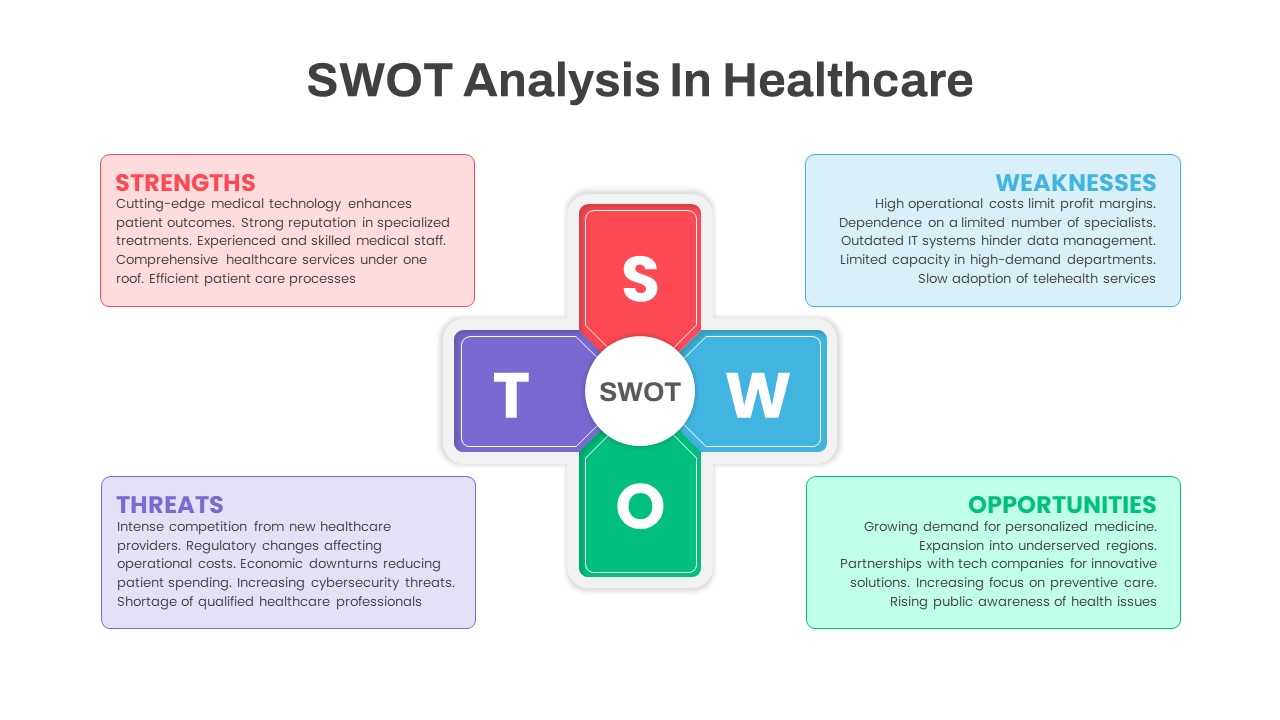
At its core, SWOT analysis is a structured way to evaluate an organization’s internal capabilities (Strengths and Weaknesses) alongside external market forces (Opportunities and Threats). Unlike generic business models, healthcare SWOTs must account for unique challenges: highly regulated environments, complex referral networks, and the delicate balance between clinical excellence and patient-centered marketing. When applied thoughtfully, this framework becomes a compass that guides decisions from service-line expansion to digital transformation.
The beauty of SWOT lies in its simplicity: a four-quadrant grid that forces leaders to sluggish down and ask why behind their assumptions. In healthcare, where emotions often run high around branding and patient care, this objectivity is invaluable. It’s not about creating a pretty document—it’s about surfacing the truths that may be hiding in plain sight.
When to Use SWOT in Healthcare Marketing
Healthcare organizations should deploy SWOT analysis during pivotal moments, including:
- Annual strategic reviews: Most effective when conducted systematically each year to track progress and adapt to market shifts.
- Service-line expansion: Before launching new programs (e.g., telemedicine, specialty clinics), SWOT helps assess feasibility and competitive positioning.
- Leadership transitions: New executives often inherit unspoken challenges that SWOT can surface quickly.
- Competitive disruptions: When a rival hospital launches a bold campaign or a private equity firm acquires a local player.
- Regulatory changes: New billing codes, telehealth policies, or data privacy laws create both threats and opportunities.
The most proactive organizations use SWOT not just annually, but as a continuous discipline. A lighter “SWOT pulse check” mid-year can help leadership stay agile in markets where reimbursement models or patient behaviors shift rapidly.
The Four Quadrants: What to Assess
Each quadrant demands a different type of questioning—and a different mindset. Let’s break down what healthcare leaders should examine in each:
1. Strengths: What Sets You Apart?
Strengths are the internal advantages that give your organization a competitive edge. But here’s the catch: not all strengths are created equal. A capability that feels like a strength internally may not resonate with patients or referring providers. The most valuable strengths meet three criteria:
- Measurable: Can you quantify the impact? (e.g., “90% patient satisfaction in orthopedics” vs. “we have great surgeons”).
- Visible: Do patients and providers recognize this advantage? (e.g., through testimonials, outcomes data, or media coverage).
- Differentiating: Is this something competitors can’t easily replicate?
Common healthcare strengths include:
- Differentiated service lines (e.g., robotic surgery programs, addiction treatment centers).
- Exceptional clinical outcomes backed by data (e.g., “Top 5% in cardiac care per Leapfrog ratings”).
- Strong local reputation or referral networks (e.g., “Preferred provider for pediatric oncology in [region]”).
- Cutting-edge technology or facilities (e.g., first in-state to offer proton therapy).
- Patient-centered culture (e.g., “95% of patients would recommend us” per Press Ganey scores).
- Successful digital marketing campaigns (e.g., “20% increase in online appointment bookings”).
Pro Tip: Avoid listing generic capabilities like “good doctors.” Instead, focus on what makes your doctors exceptional—e.g., “Board-certified specialists with 20+ years in [niche] who publish in peer-reviewed journals.”
2. Weaknesses: The Silent Growth Killers
Weaknesses are the internal constraints that limit performance—and they’re often the hardest for teams to confront honestly. The most effective SWOT exercises treat weaknesses with the same rigor as strengths, recognizing that:
- Ignored weaknesses become permanent barriers.
- Addressing one weakness can unlock multiple opportunities.
- Patients and providers notice inconsistencies (e.g., outdated websites, slow appointment systems).
Common healthcare weaknesses include:
- No clear, current marketing plan (or plans that don’t align with organizational goals).
- Inconsistent messaging across channels (e.g., website vs. Social media vs. Print ads).
- Poor digital experience (e.g., mobile-unfriendly websites, slow load times).
- Gaps in service-line visibility (e.g., “We offer bariatric surgery, but no one knows it”).
- Staffing or turnover challenges (e.g., “High nurse turnover affects patient continuity”).
- Weak differentiation in competitive markets (e.g., “We’re just another hospital in this city”).
Pro Tip: Frame weaknesses as opportunities for improvement, not failures. For example, instead of “Weak SEO,” say “Untapped potential in organic search visibility for [high-demand service line].”
3. Opportunities: Where Demand Meets Your Capabilities
Opportunities are external conditions that, if leveraged well, can improve performance. In healthcare, the most valuable opportunities often lie at the intersection of:
- Shifting patient needs: Rising demand for mental health services, chronic disease management, or geriatric care.
- Technological advancements: AI-driven diagnostics, telehealth expansion, or wearable health monitoring.
- Demographic changes: Aging populations, urbanization, or cultural shifts in healthcare preferences.
- Competitive gaps: Areas where rivals are underinvesting (e.g., “No other hospital in our region offers [specialty]”).
- Policy changes: New reimbursement models, expanded telehealth coverage, or Medicaid expansions.
Example opportunities for healthcare organizations:
- Partnering with employers to offer on-site health screenings.
- Launching a mobile app for remote patient monitoring in high-risk populations.
- Expanding into underserved niches (e.g., LGBTQ+ healthcare, veteran services).
- Leveraging social media to educate patients on preventive care (e.g., “Did You Know? 80% of heart disease is preventable”).
- Collaborating with local businesses to offer wellness programs.
Pro Tip: Prioritize opportunities that align with your strengths. For example, if your weakness is digital engagement but your strength is clinical expertise, partner with a tech company to co-create a patient education app.
4. Threats: The External Pressures You Can’t Control
Threats are external forces that could undermine performance if ignored. In healthcare, threats often emerge from:
- Competitive pressures: Hospital consolidations, private equity acquisitions, or aggressive marketing from rivals.
- Regulatory risks: Changes in HIPAA, CMS reimbursement rules, or state-level healthcare laws.
- Staffing challenges: Physician shortages, nurse burnout, or recruitment difficulties in rural areas.
- Reimbursement shifts: Declining Medicare/Medicaid payments or new value-based care models.
- Patient behavior changes: Rising use of price transparency tools, telehealth fatigue, or distrust in traditional providers.
- Technological disruptions: AI replacing routine diagnostics or blockchain changing medical records management.
Example threats for healthcare organizations:
- A new hospital opening nearby with lower prices.
- Decreasing referral rates from primary care physicians.
- Rising patient complaints about billing transparency.
- Cybersecurity vulnerabilities in electronic health records.
- Shortages of specialized nurses in high-demand areas.
Pro Tip: Treat threats as early warning signals. For example, a slight dip in referral volumes may indicate an emerging threat before it becomes a crisis.
Seven Rules for a Productive SWOT Analysis
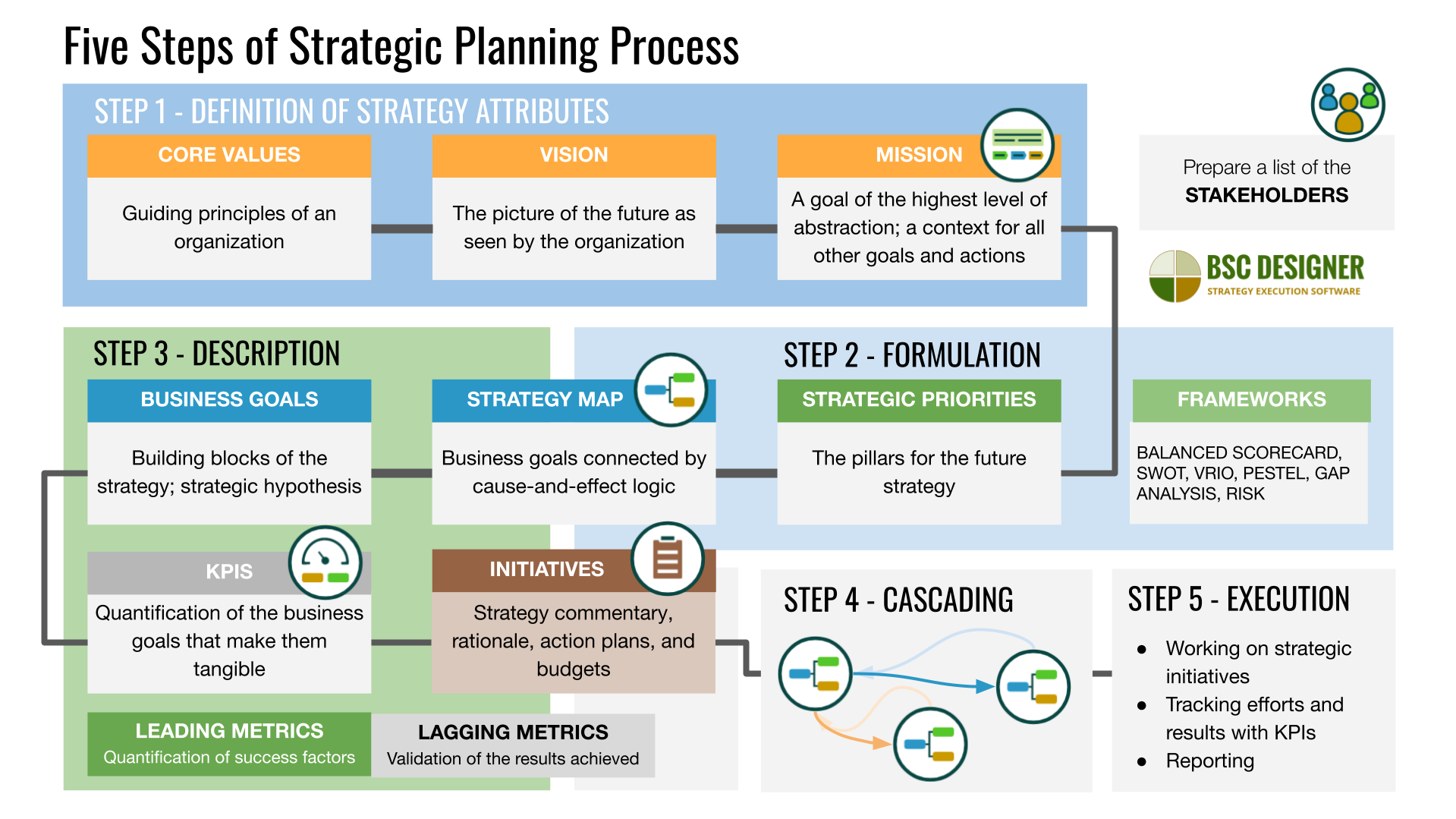
To avoid turning SWOT into a theoretical exercise, follow these discipline-based rules:
- Be specific: Replace vague statements like “good reputation” with data (e.g., “4.8/5 star rating on Healthgrades, 30% higher than competitors”).
- Be objective: Seek input from cross-functional teams, not just executives. Patients and referring providers can reveal blind spots.
- Be realistic: Avoid wishful thinking. If your website hasn’t been updated in five years, don’t list “strong digital presence” as a strength.
- Apply context: Separate current reality from future potential. For example, “We’re considering telemedicine” is a potential opportunity, not a current strength.
- Compare competitively: Ask, “Better or worse than whom?” Benchmark against direct competitors and industry leaders.
- Keep it focused: Depth matters more than volume. It’s better to have three well-researched insights than 20 superficial ones.
- Translate insights into action: A SWOT without strategy changes is just a document gathering dust. Prioritize the top 2–3 insights that will drive the most impact.
From Analysis to Action: Turning SWOT into Strategy
The real value of SWOT lies in its ability to align leadership around shared realities. When teams agree on what’s working, what’s broken, and what’s coming next, decision-making becomes faster and more confident. But the transition from insight to action is where many SWOT efforts fail. Here’s how to bridge the gap:
Step 1: Prioritize Insights
Not all SWOT findings are equally important. Use this framework to prioritize:
- High-impact/low-effort: Quick wins that deliver outsized results (e.g., fixing a broken booking system).
- High-impact/high-effort: Strategic initiatives that require significant investment (e.g., launching a new service line).
- Low-impact: Nice-to-haves that can be deprioritized.
Step 2: Develop Action Plans
For each priority, create a SMART action plan:
- Specific: “Improve SEO for orthopedic services” vs. “get more patients.”
- Measurable: “Increase organic traffic by 30% in six months.”
- Achievable: Assign ownership and timelines.
- Relevant: Align with organizational goals (e.g., “support our cardiac care expansion”).
- Time-bound: Set deadlines and milestones.
Step 3: Allocate Resources
SWOT insights should directly inform:
- Budget reallocation: Shift funds from underperforming areas to high-potential opportunities.
- Messaging focus: Highlight strengths that resonate with target audiences (e.g., “patient-centered care” for millennials vs. “cutting-edge technology” for employers).
- Channel selection: Double down on what works (e.g., if social media drives appointments, increase that budget).
- Partnerships: Collaborate with organizations that complement your weaknesses (e.g., partner with a tech firm to improve your digital experience).
Step 4: Monitor and Adapt
SWOT isn’t a one-time event. Schedule regular check-ins to:
- Track progress on action items.
- Reassess threats and opportunities as market conditions change.
- Adjust strategies based on new data (e.g., patient feedback, referral trends).
SWOT in the Digital Age: Adapting to Modern Healthcare
The healthcare landscape has transformed dramatically in recent years, making SWOT analysis more relevant than ever. Digital competition, online reputation, and AI-driven discovery demand that organizations:
- Monitor online sentiment: Tools like Google Reviews and Healthgrades can reveal real-time patient perceptions of your strengths and weaknesses.
- Track digital engagement: Analytics show which service lines drive the most online inquiries—and which are invisible.
- Assess AI and automation: Where can chatbots or predictive analytics improve patient experience or operational efficiency?
- Evaluate telehealth integration: Is your organization leading or lagging in virtual care adoption?
For example, a hospital might discover through SWOT that:
- Strength: High patient satisfaction scores for in-person care.
- Weakness: Low telehealth adoption despite rising patient demand.
- Opportunity: Partner with a telehealth platform to expand virtual visits.
- Threat: Competitors are aggressively marketing their telehealth services.
This insight could lead to a strategic pivot: reallocating marketing budgets to promote telehealth while maintaining in-person care excellence.
Common Pitfalls—and How to Avoid Them
Even well-intentioned SWOT analyses can go awry. Here are three common mistakes and how to prevent them:
1. Treating SWOT as a Brainstorming Session
Problem: Teams generate long lists of generic items without prioritization or action plans.
Solution: Limit each quadrant to 3–5 specific, actionable items. For example:
- ❌ “Good doctors” (Strength)
- ✅ “Board-certified orthopedic surgeons with 95% patient satisfaction and 20% lower complication rates than national average.”
2. Ignoring the “So What?” Question
Problem: Leaders identify insights but fail to connect them to strategic decisions.
Solution: For every SWOT item, ask: How will this change our marketing priorities, budget, or messaging?
3. Conducting SWOT in a Vacuum
Problem: Leadership teams create SWOTs without input from frontline staff, patients, or referring providers.
Solution: Gather diverse perspectives:
- Frontline staff (nurses, technicians) often see operational weaknesses firsthand.
- Patients can reveal unmet needs and pain points.
- Referring providers highlight what differentiates you in their decision-making.
Case Study: SWOT in Action at a Mid-Sized Hospital
Consider a mid-sized hospital in Texas that conducted a SWOT analysis to refine its marketing strategy. Here’s how they applied the framework:
Strengths Identified:
- Strong reputation for cardiac care (ranked #2 in the region by U.S. News & World Report).
- High patient satisfaction scores (top 10% nationally).
- Successful community outreach programs (e.g., free health screenings).
Weaknesses Identified:
- Outdated website with poor mobile experience.
- Low visibility for women’s health services despite strong providers.
- Limited digital marketing budget compared to larger competitors.
Opportunities Identified:
- Growing demand for women’s health services in the region.
- New telehealth regulations expanding reimbursement for virtual visits.
- Local employer partnerships for wellness programs.
Threats Identified:
- Nearby hospital launching an aggressive digital marketing campaign.
- Physician shortages in specialty areas.
- Declining Medicare reimbursement rates.
Action Taken:
- Redesigned website with mobile-first approach and SEO optimization for women’s health.
- Launched targeted digital ads highlighting cardiac care expertise and new telehealth options.
- Partnered with local employers to offer on-site health screenings.
- Reallocated budget to prioritize digital channels and patient education content.
Results:
- 30% increase in online appointment bookings within six months.
- 25% growth in women’s health service inquiries.
- Improved search rankings for cardiac and women’s health keywords.
SWOT and Healthcare Marketing: A Match Made in Strategy
SWOT analysis isn’t just a planning tool—it’s a marketing compass that helps organizations:
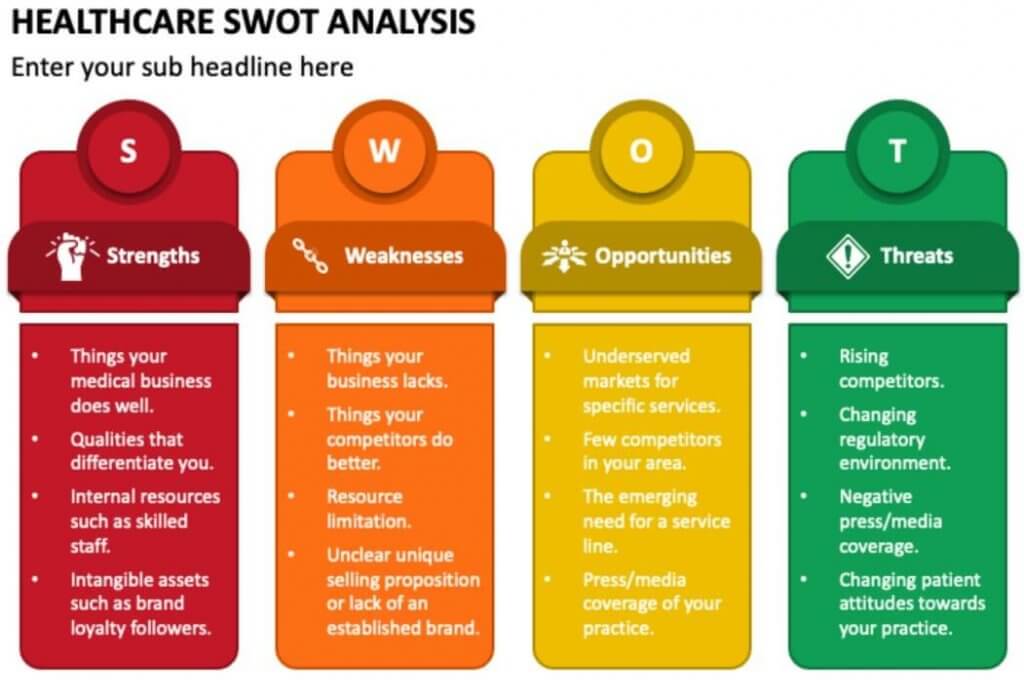
- Differentiate: By amplifying strengths that resonate with target audiences.
- Optimize: By addressing weaknesses that frustrate patients or providers.
- Innovate: By capitalizing on opportunities before competitors do.
- Mitigate risks: By preparing for threats before they disrupt operations.
For example, if your SWOT reveals that patients value convenience but your weakness is long wait times, your marketing strategy might focus on:
- Highlighting express-care options in ads.
- Partnering with local businesses to offer extended hours.
- Using digital tools to reduce no-shows and optimize scheduling.
Conversely, if your strength is clinical expertise but your opportunity lies in preventive care, you might:
- Launch a blog series on early disease detection.
- Offer free screenings to build trust and demonstrate expertise.
- Target employers with wellness program partnerships.
Getting Started: Your SWOT Implementation Checklist
Ready to turn SWOT into a strategic discipline? Follow this step-by-step checklist:
- Gather your team: Include leadership, marketing, clinical, and frontline staff. Diverse perspectives reveal blind spots.
- Set the tone: Emphasize honesty and objectivity. Remind the team that the goal is shared clarity, not blame.
- Gather data: Pull patient feedback, referral trends, financial reports, and competitive benchmarks.
- Fill the grid: Limit each quadrant to 3–5 specific items. Use the questions outlined earlier as prompts.
- Validate externally: Check with patients, providers, and community members to confirm your findings.
- Prioritize: Identify the top 2–3 insights that will drive the most impact.
- Develop action plans: Assign owners, timelines, and success metrics for each priority.
- Present and align: Share findings with stakeholders and get buy-in on strategic changes.
- Monitor progress: Schedule quarterly reviews to track implementation and adapt as needed.
Final Thought: SWOT as a Strategic Discipline
The most successful healthcare organizations treat SWOT analysis as more than an annual exercise—they make it a strategic discipline. By regularly reassessing internal capabilities and external pressures, they stay agile in a landscape where:
- Patient expectations evolve faster than ever.
- Competitors leverage technology to reshape care delivery.
- Regulatory environments shift with political and economic changes.
As one healthcare marketing executive recently told me, “SWOT isn’t about creating a document—it’s about creating a shared understanding of reality. When everyone in the organization agrees on what’s working, what’s broken, and what’s coming next, decisions become faster, bolder, and more aligned.”
In an era where healthcare marketing must balance clinical precision with consumer-centric strategies, SWOT analysis provides the clarity needed to navigate complexity. It’s not about predicting the future—it’s about preparing for it with eyes wide open.
Next Steps: Building Your Healthcare Marketing Strategy
Ready to put SWOT into action? Start by:
- Conducting your first SWOT analysis: Gather your team and follow the framework outlined above.
- Reviewing our related guides: What Is a Healthcare Marketing Plan? and A Fresh Look at the 7 Ps of Healthcare Marketing to translate your SWOT insights into executable strategies.
- Benchmarking against competitors: Use tools like Google Trends, Healthgrades, and local news to assess how rivals position themselves.
- Investing in data: Patient feedback, referral trends, and digital analytics will make your SWOT analysis more objective and actionable.
The healthcare landscape is complex, but the tools to navigate it effectively are within reach. By treating SWOT as a high-level self-exam—and not just another planning exercise—your organization can turn strategic insights into tangible growth.
What’s one strength or opportunity your organization has identified through SWOT that you’re ready to amplify? Share your insights in the comments—and let’s discuss how to turn them into action.