
In the rapidly evolving landscape of mobile hardware, battery capacity remains a primary focal point for both manufacturers and consumers. As power-hungry processors and high-resolution displays become standard in flagship devices, the industry has shifted toward high-density power solutions to ensure longevity for the end user. Xiaomi has recently highlighted these advancements, specifically focusing on the integration of high-capacity energy storage within its latest product lineups, as part of a broader strategy to maintain device connectivity throughout the day.
The conversation around battery performance has moved beyond mere milliampere-hour (mAh) counts, with manufacturers now emphasizing the underlying chemical composition of these cells. Recent industry updates from the official Xiaomi global portal indicate a strategic pivot toward advanced materials, including silicon-carbon technology, which aims to provide higher energy density compared to traditional lithium-ion alternatives. This evolution is critical for maintaining the balance between slim device profiles and the extended usage times demanded by modern smartphone users.
Advancing Battery Technology in Modern Devices
The emphasis on a 6580mAh battery capacity, as noted in recent manufacturer communications, reflects a broader trend toward addressing “battery anxiety”—the concern that a device will lose power during critical tasks. By implementing high-capacity cells paired with efficient power management, companies are looking to extend the time between charges. According to Xiaomi’s official specifications, the focus is not just on the raw capacity, but on the integration of rapid charging technologies—such as their 100W HyperCharge system—to ensure that when a charge is required, the downtime is minimized.
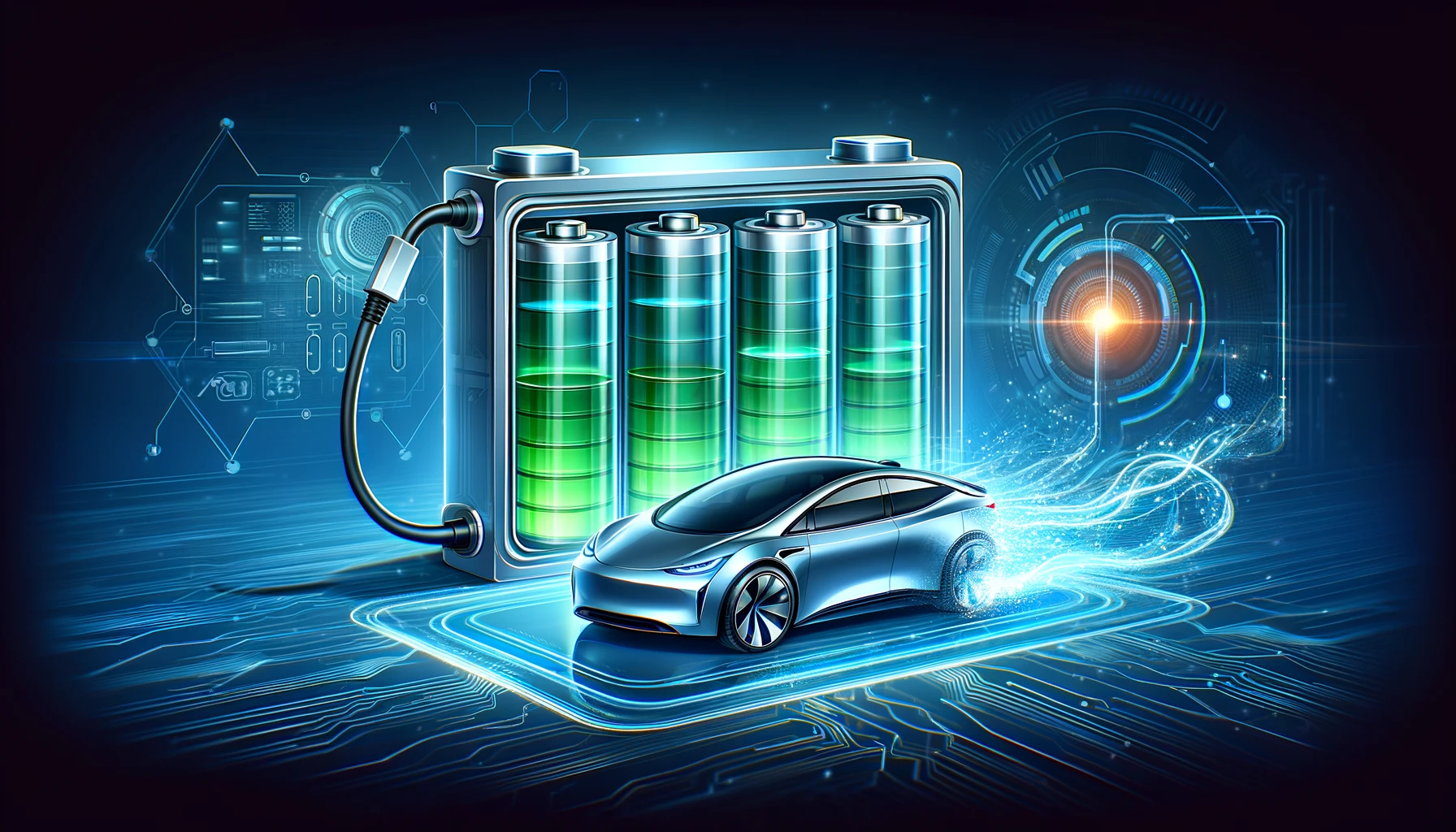
The transition to silicon-carbon battery anodes represents a significant step in material science for consumer electronics. Unlike standard graphite anodes, silicon-carbon structures allow for a greater number of lithium ions to be stored within the same physical volume. This results in a battery that can hold more energy without necessarily increasing the physical footprint of the smartphone, a key requirement for the current generation of thin-and-light mobile devices.
The Role of Software and AI in Power Efficiency
Hardware capacity is only one half of the equation. Modern operating systems, such as Xiaomi’s HyperOS 3, play a pivotal role in regulating how that power is consumed. By utilizing artificial intelligence to analyze usage patterns, these systems can throttle background processes and optimize display refresh rates to preserve the longevity of the battery. As detailed in the latest Xiaomi product documentation, the synergy between the Snapdragon 8 Elite Mobile Platform and the onboard software ecosystem is designed to manage the high power demands of 3nm architecture effectively.
This integration is particularly relevant for users who rely on their devices for professional tasks, photography, and navigation throughout the day. When hardware, such as the 6580mAh or 6500mAh class batteries, is paired with a sophisticated power-management layer, the result is a more predictable performance curve. This ensures that users do not have to compromise on features—such as high-end Leica imagery or advanced connectivity—in order to keep their device running.
What This Means for the Consumer
For the average consumer, these technical specifications translate into a more reliable daily experience. The ability to “never stop,” as phrased in recent product marketing, is the ultimate goal of these engineering efforts. Whether it is through the deployment of larger battery cells or the enhancement of charging speeds, the industry is clearly moving toward a standard where the physical limitations of battery technology are increasingly mitigated by better chemistry and smarter software.

Key Takeaways for Mobile Users
- Increased Density: The shift toward silicon-carbon battery chemistry allows for higher capacity in the same physical space.
- Rapid Charging: High-wattage charging solutions, such as 100W HyperCharge, are being paired with high-capacity cells to reduce charging time.
- System Optimization: Software platforms like HyperOS 3 are essential for distributing power efficiently across high-performance chipsets.
- Future-Proofing: Investments in 3nm processing technology help lower the power-per-task ratio, extending the overall lifespan of the device.
As we look toward the remainder of 2026, the industry is expected to continue its focus on these core pillars of mobile performance. Consumers interested in the latest developments can find official updates and technical white papers on the Xiaomi global website. We encourage our readers to stay engaged with these updates as new hardware benchmarks are released following major trade events like MWC 2026.
What are your priorities when choosing a new smartphone? Does battery longevity outweigh features like camera quality or processing speed in your decision-making process? We invite you to share your thoughts and join the conversation in the comments section below.
Keep reading
- OnePlus 16 Specs Leak: A Beastly Phone You Won’t Be Able to Buy
- Mexico GDP Grows 1.5%, Microsoft Gains Value, and Spending Lags: Yahoo Finance
- Why Your Phone's Battery Still Drains When It's Completely Off (daybreakwire.com)
- Samsung Galaxy S27 Ultra Leaks Reveal Big Battery and Design Upgrades (archyde.com)