
As the international community monitors escalating tensions in the Middle East, recent public remarks from former President Donald Trump regarding Iran’s nuclear program have reignited debates over United States foreign policy and the prospect of military intervention. The rhetoric, which emphasizes a firm stance against the potential expansion of Iranian nuclear capabilities, arrives at a moment of heightened geopolitical volatility in the region.
For observers of global affairs, understanding the nuance behind such statements requires a look at the long-standing legal and diplomatic frameworks governing nuclear non-proliferation. The Treaty on the Non-Proliferation of Nuclear Weapons (NPT) remains the cornerstone of international efforts to prevent the spread of nuclear arms, a framework to which Iran is a signatory. However, the enforcement of these standards and the monitoring of enrichment activities have been subjects of intense diplomatic friction for decades, involving various stakeholders including the International Atomic Energy Agency (IAEA).
The Geopolitical Context of Nuclear Non-Proliferation
The discourse surrounding Iran’s nuclear program is deeply rooted in the history of the Joint Comprehensive Plan of Action (JCPOA), established in 2015. While the United States formally withdrew from the agreement in 2018 under the Trump administration, the status of international oversight remains a point of contention. According to the International Atomic Energy Agency, the agency continues to conduct verification and monitoring activities in Iran to assess the country’s compliance with its safeguards obligations.
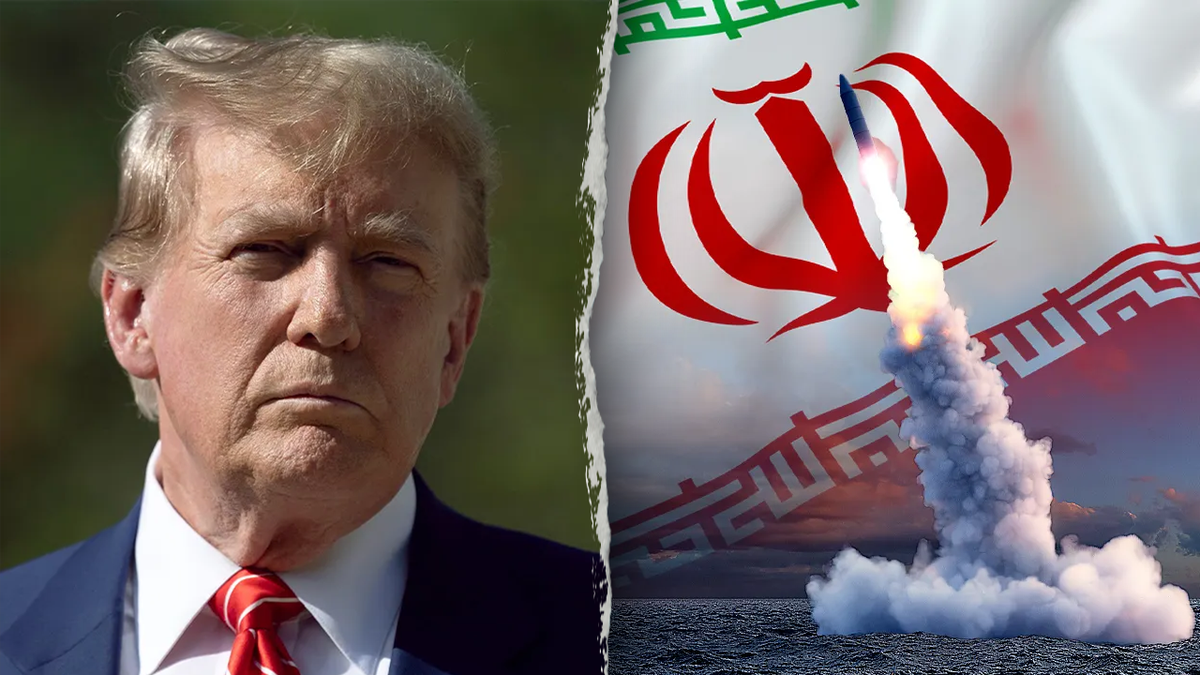
Public statements suggesting that the U.S. Might unilaterally intervene to secure nuclear materials carry significant weight in global security circles. Such rhetoric often forces a re-evaluation of military readiness and the potential for regional conflict. Analysts note that any military action involving nuclear infrastructure carries profound risks, including the potential for radiological fallout and the escalation of conventional warfare across the Middle East.
Understanding the Risks of Escalation
The potential for military engagement is subject to domestic and international legal constraints. Under the U.S. Constitution, the power to declare war rests with Congress, though the Executive Branch maintains significant authority regarding the deployment of armed forces. Historically, the use of force has been governed by the War Powers Resolution of 1973, which requires the President to notify Congress within 48 hours of committing armed forces to military action, as outlined by the National Archives.

The impact of these statements extends beyond mere policy debate. Markets often react to the prospect of instability in oil-producing regions, and regional allies—such as those in the Gulf Cooperation Council—frequently adjust their security postures in response to shifts in Washington’s tone. The challenge for policymakers remains balancing the goal of non-proliferation with the imperative to maintain regional stability and avoid unauthorized or unchecked military escalation.
Looking Ahead: Diplomatic vs. Military Pathways
As the conversation continues, diplomatic channels remain the primary, albeit fragile, mechanism for addressing nuclear concerns. The IAEA continues to publish updates regarding its monitoring, which provide the most authoritative baseline for assessing the status of Iran’s nuclear research and enrichment programs. For those following these developments, the agency’s official reports on Iran serve as the definitive source for factual data on the ground.
Moving forward, the international community will look for clarity on whether such rhetoric signals a fundamental shift in U.S. Strategy or remains within the realm of campaign-trail discourse. The next major checkpoint will likely involve upcoming quarterly reports from the IAEA Board of Governors, which will provide a verifiable update on the status of nuclear safeguards. We encourage our readers to monitor these official channels for the most accurate information as the situation evolves.
Jonathan Reed serves as the News Editor at World Today Journal. With over 16 years of experience in global reporting, he specializes in analyzing the intersection of international policy and security. We welcome your thoughts on these developments in the comments section below.