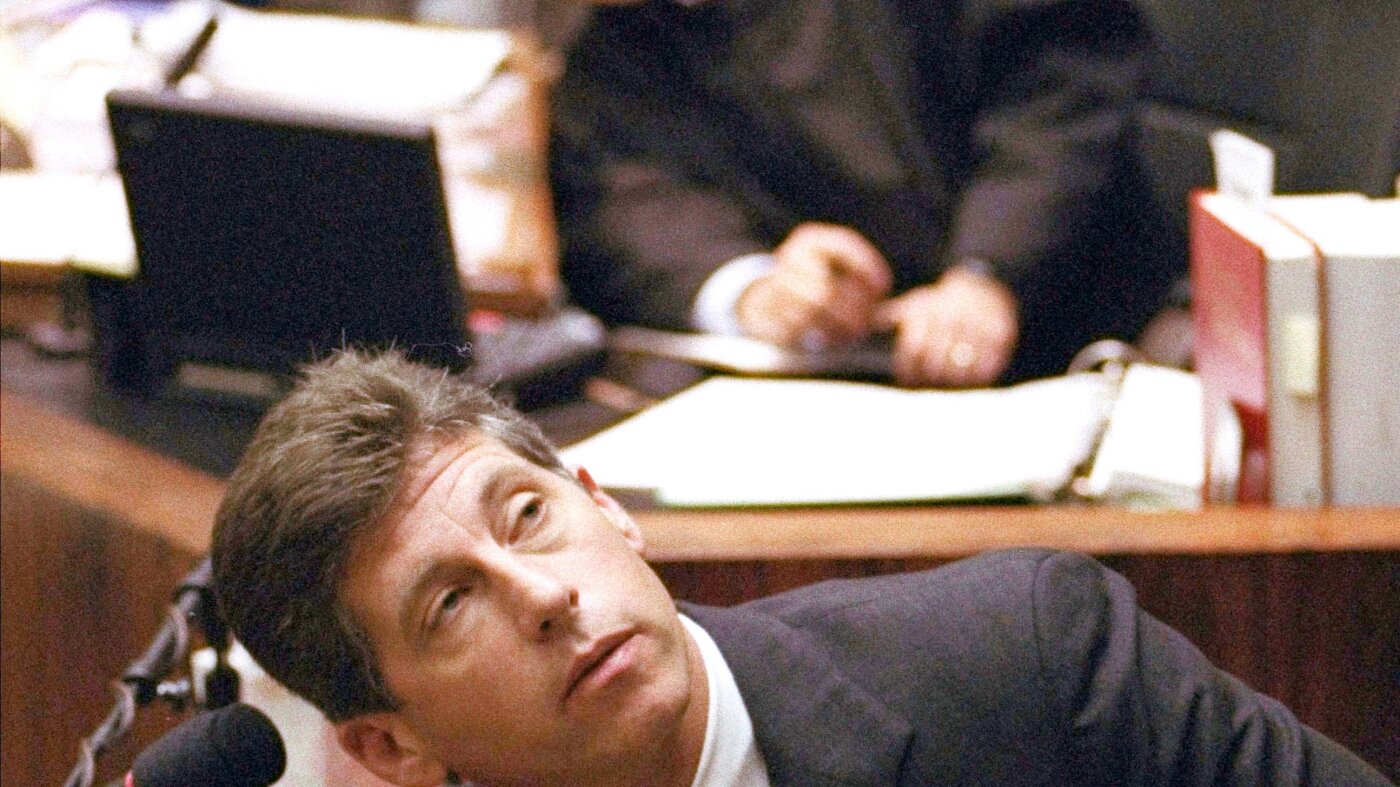
There have been no credible reports or official announcements confirming that Mark Fuhrman has died. As of the latest updates available from reputable news organizations and public records, the former Los Angeles Police Department (LAPD) detective remains alive. Widely circulated rumors regarding his passing appear to be unfounded, illustrating the persistent challenge of misinformation surrounding figures central to the 1994 murder trial of O.J. Simpson.
Fuhrman became a household name during the highly publicized criminal trial of O.J. Simpson, during which he was one of the first two police detectives to arrive at the scene of the killings of Nicole Brown Simpson and Ronald Goldman. His role in the investigation, and his subsequent testimony, became a focal point of the defense’s strategy, eventually leading to a legal firestorm that resonated far beyond the courtroom.
The Legal Fallout and Perjury Conviction
The controversy surrounding Mark Fuhrman reached a boiling point when he was accused of using racial slurs and planting evidence. During the 1995 trial, Fuhrman testified under oath that he had not used racial epithets in the decade preceding the proceedings. However, the defense team later introduced audio recordings that directly contradicted this testimony, casting significant doubt on his credibility as a witness.

In 1996, Fuhrman pleaded no contest to a charge of perjury for lying under oath regarding his use of those slurs. According to records from the New York Times, he was sentenced to three years of probation and fined $200. This conviction remains a defining moment in the history of the “Trial of the Century,” as it provided a narrative hook for the defense to argue that the entire investigation was compromised by systemic bias and police misconduct.
Impact on the LAPD and Criminal Justice Discourse
The Fuhrman tapes and the subsequent fallout served as a catalyst for a broader national conversation regarding police accountability and the integrity of evidence collection. For many, his actions became a symbol of the deep-seated mistrust between the Los Angeles Police Department and the city’s minority communities during the mid-1990s. The oversight and internal reviews that followed his testimony underscored the critical importance of ethical standards in law enforcement.
Following his departure from the LAPD, Fuhrman transitioned into a career as an author and commentator, writing several books on criminal cases. While he has remained a polarizing figure, his life post-trial offers a stark look at how the media circus surrounding the O.J. Simpson case permanently altered the lives of those involved. Despite the intensity of the public fascination with his life, there is no verified information to suggest that he has passed away.
Fact-Checking the Rumors
In the digital age, misinformation can spread rapidly, particularly concerning figures who have lived significant portions of their lives in the public eye. Reports of the deaths of public figures—often termed “death hoaxes”—are frequently propagated on social media platforms without verification from family members, legal representatives, or official obituaries. As of this writing, no such confirmation exists regarding Fuhrman.
Readers should remain cautious when encountering breaking news about public figures on unverified platforms. For accurate information regarding legal or public figures, it is best to rely on primary sources, such as official court filings, statements from verified legal counsel, or reports from established, mainstream news agencies that adhere to rigorous editorial standards.
Key Contextual Points
- Role in 1994 Investigation: Fuhrman was a lead investigator at the crime scene in Brentwood, Los Angeles.
- Perjury Conviction: He pleaded no contest to felony perjury in 1996, receiving probation.
- Public Standing: Following his legal troubles, he became a writer specializing in true crime and historical analysis.
We will continue to monitor official channels for any verified updates regarding this matter. If you have questions about the history of the O.J. Simpson trial or the legal precedents established during that era, we encourage you to consult the archives of the Los Angeles Times, which maintains an extensive repository of documentation related to the 1994 investigation and the ensuing litigation.
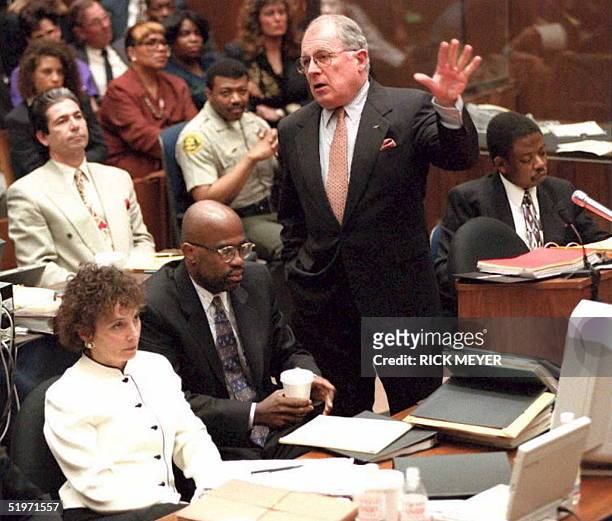
As the conversation regarding the legacy of the 1990s legal landscape continues, we invite our readers to share their thoughts and perspectives in the comments section below. What do you believe is the most enduring lesson from the high-profile trials of that decade? Join the discussion and let us know your thoughts.
Keep reading