Game Developer Square Glade Games Faces Backlash After Requesting Deletion of Negative Review for ‘Outbound’
Square Glade Games, the indie developer behind the recently released Outbound, has found itself at the center of a growing controversy after responding to a negative Steam review with an unusual request: the player was offered a full refund if they agreed to remove or update their criticism. The move, which initially appeared polite and accommodating, has instead ignited a firestorm of backlash among gamers and industry observers, amplifying the very negative feedback the developer sought to suppress.
The incident underscores a long-standing tension in the gaming industry: how developers handle criticism. While many studios ignore negative reviews or respond defensively, Square Glade Games took a different approach—one that, despite quality intentions, violated an unwritten rule of digital commerce. “Negative reviews exist for a reason,” one Steam reviewer later wrote in response. “Trying to silence criticism only damages trust.” The developer has since apologized and vowed to never make such a request again, but the damage to their reputation is already done.
This story is a case study in the Streisand Effect: an attempt to suppress criticism that instead amplifies it. For Square Glade Games, the lesson is clear—when it comes to player feedback, transparency and engagement are far more effective than attempts to control the narrative.
Why This Matters: The Broader Implications for Indie Developers
- Transparency Over Suppression: Attempts to remove negative reviews rarely work and often worsen the situation, as seen with Square Glade Games.
- Community Trust: Players value honesty, even when feedback is harsh. Suppressing criticism can alienate an audience that might otherwise be supportive.
- Streisand Effect: The more a company tries to control negative publicity, the more it spreads—especially in tightly knit communities like gaming.
- Alternative Solutions: Developers can address issues publicly, engage with critics, or offer refunds without tying them to review removal.
- Indie Developer Challenges: Smaller studios often face intense pressure to perform well at launch, but reactive measures like this can backfire.
- Platform Policies: Steam and other digital storefronts explicitly prohibit review manipulation, though enforcement varies.
The Controversial Response: Polite but Problematic
According to screenshots shared on the Steam subreddit, Square Glade Games responded to a negative review for Outbound with a message that, on the surface, seemed considerate:
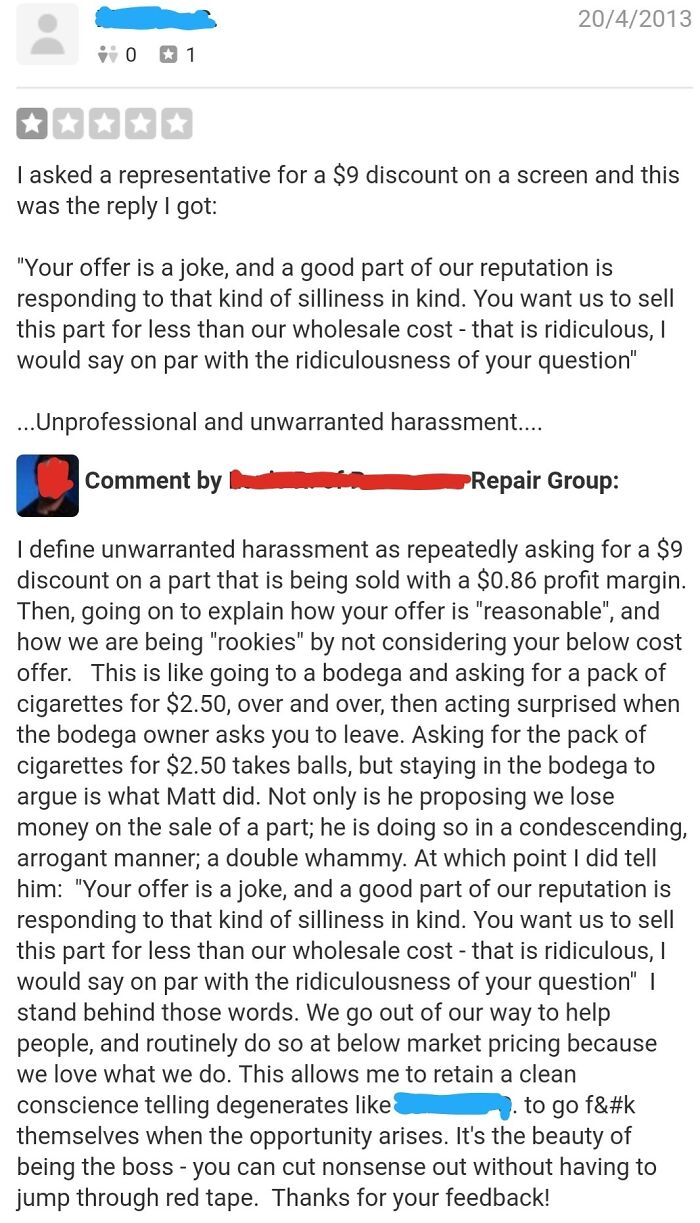
“Sorry to hear that Outbound is not your cup of tea. But that is of course totally understandable. No hard feelings. Feel free to send a support request to the Steam support to get a full refund on your purchase. If you do so, we would appreciate if you would update or remove your negative review. Thanks a lot.”
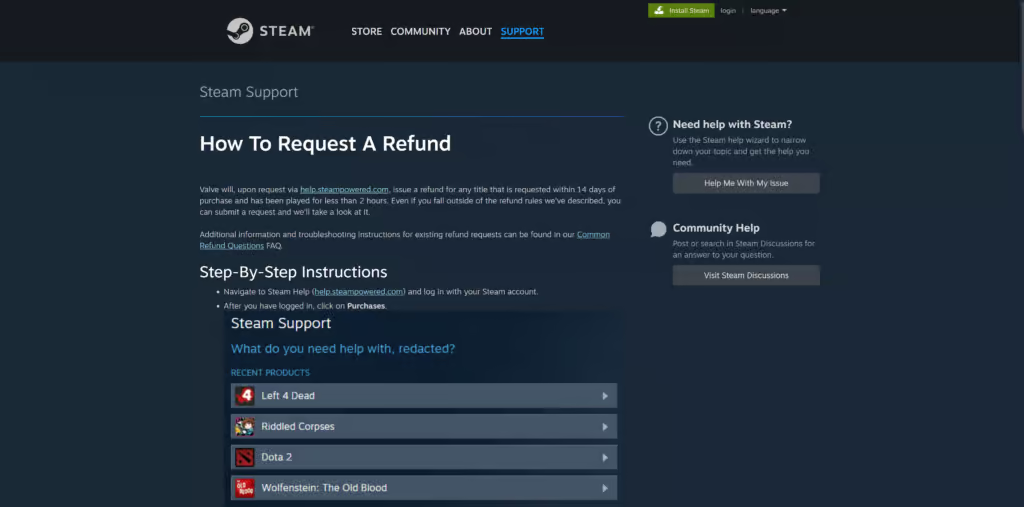
The offer of a refund—Steam allows refunds within a 14-day window for most games—was not the issue. It was the condition attached to it that sparked outrage. By linking the refund to the removal of a review, Square Glade Games effectively asked the player to trade their criticism for a monetary gesture. This violated Steam’s Community Guidelines, which prohibit review manipulation, and set off a chain reaction.

Within hours, the original review was no longer the only negative one on the page. Dozens of new reviews appeared, many criticizing Square Glade Games not for Outbound itself, but for their attempt to silence feedback. Some players pointed out the hypocrisy of offering refunds to unhappy customers while ignoring positive reviews. Others argued that negative feedback is essential for improving games and that developers should address issues rather than suppress them.
“If you want a strong community, show appreciation to everyone supporting the game, not just the people you want to convince to change their opinion,” one reviewer wrote.
Square Glade Games Apologizes—and the Backlash Grows
Facing mounting criticism, Square Glade Games issued a public statement acknowledging their mistake. In a post on their official website (now updated), the developers admitted that their request was “poor judgment” and vowed to never ask a player to remove a review again. They also opened up about the stress of launching an indie game and the pressure to perform well.
“We deeply regret our approach in this situation,” the statement read. “Our goal was never to suppress feedback, and we understand now that our request had the opposite effect. Moving forward, we will focus on engaging with our community openly and addressing concerns directly.”
Despite the apology, the incident has had lasting consequences. Outbound‘s Steam page now features a mix of genuine complaints about the game’s quality and new reviews criticizing the developer’s handling of feedback. The “Streisand Effect” has ensured that the story will follow Square Glade Games long after the launch window closes.
Lessons for Indie Developers: Handling Feedback the Right Way
Square Glade Games’ experience is a cautionary tale for indie developers navigating the challenges of player feedback. Here’s how studios can better handle criticism without resorting to controversial tactics:
- Engage, Don’t Suppress: Respond to negative reviews with solutions, not requests for deletion. Acknowledge issues and outline steps to address them.
- Offer Refunds Unconditionally: If a player is unhappy, provide a refund without tying it to review removal. Steam’s refund policy already protects buyers.
- Public Transparency: Use social media or developer blogs to address community concerns openly. This builds trust and shows accountability.
- Highlight Positive Feedback: Don’t ignore positive reviews. Acknowledge support to balance criticism and foster goodwill.
- Understand Platform Rules: Familiarize yourself with Steam’s, Epic’s, and other storefronts’ policies on review manipulation to avoid accidental violations.
Why This Story Resonates Beyond One Developer
The Square Glade Games controversy is more than just a single developer’s misstep—it reflects broader tensions in the gaming industry around review culture. Platforms like Steam rely on user-generated reviews to help players make informed purchasing decisions, but developers often struggle with how to respond when those reviews are negative.
Some studios resort to aggressive tactics, such as:
- Threatening legal action against reviewers.
- Creating fake positive reviews to skew ratings.
- Using bots to downvote criticism.
- Ignoring feedback entirely, leading to frustration.
Square Glade Games’ approach was different—not malicious, but misguided. Their attempt to “fix” a negative review backfired spectacularly, proving that even well-intentioned interference can harm a developer’s reputation more than the original criticism ever could.
For players, this incident serves as a reminder: negative reviews matter. They provide valuable feedback that can help games improve. For developers, the lesson is clear: transparency and engagement are far more powerful than control.
Where Do They Go From Here?
Square Glade Games has taken steps to mitigate the fallout, including:
- Publicly apologizing for their request.
- Promising to engage with the community more openly.
- Focusing on addressing player concerns in future updates.
However, rebuilding trust will take time. The gaming community remembers missteps like this, and Square Glade Games will need to prove through actions—not words—that they’ve learned from their mistake. For now, their priority should be listening to players and demonstrating a commitment to transparency.
Your Thoughts: How Should Developers Handle Negative Reviews?
Have you encountered a similar situation with a game or app? Share your experiences in the comments below. And if you’re a developer reading this—what’s your approach to feedback?
For more insights on gaming industry trends, follow World Today Journal’s Tech section or subscribe to our newsletter for weekly updates.
- Beyond Token Costs: Maximizing Return on Tokens (ROT) in the Agentic Enterprise
- Palantir Expands Beyond Government: The Rise of Big Data Analytics
- Mason Montgomery on Closing Games and Bullpen Success (news-usa.today)
- Senior Indian Players Express Reservations About Gautam Gambhir’s Coaching (archyworldys.com)