
As the days grow longer and the landscape shifts toward summer, many travelers are trading traditional transit for the rhythmic, pedal-powered pace of cycle tourism. Whether you are a weekend warrior looking to break away from the urban grind or a seasoned cyclist planning a multi-day trek, bicycle travel offers a unique intersection of physical endurance, environmental consciousness, and personal discovery. Preparing for such an adventure requires more than just a bike. it demands a strategic approach to logistics, safety, and equipment management.
For those navigating the complexities of modern travel, the shift toward low-carbon tourism has become increasingly prominent. According to the European Environment Agency, transport remains a significant contributor to greenhouse gas emissions, making cycling an attractive alternative for those aiming to reduce their environmental footprint while exploring new regions. However, the transition from daily commuting to long-distance touring involves specific preparations to ensure a safe and enjoyable journey.
Establishing a Solid Foundation for Your Journey
The first step in any successful cycling trip is selecting an itinerary that aligns with your current fitness level and technical experience. For beginners, the most common pitfall is overestimating daily mileage capacity. It is often recommended to start with established, well-marked routes—often referred to as “véloroutes”—which provide clear signage and, frequently, amenities tailored to cyclists. These routes are designed to minimize exposure to heavy motorized traffic and often feature terrain that is manageable for those new to loaded touring.
When evaluating a potential route, pay close attention to topographical data. Elevation profiles are critical; what looks like a manageable distance on a flat map can become a grueling challenge in mountainous terrain. Many national tourism boards provide digital maps that include gradient information, which should be cross-referenced with your physical preparation. For those traveling within Europe, resources like EuroVelo offer a network of long-distance cycling routes that are developed to high standards, providing a reliable backbone for trip planning.
Logistics and Equipment: The Essentials of Self-Sufficiency
Traveling by bike requires a shift in how you pack. Unlike air travel, where weight is managed by airline regulations, cycle touring limits are defined by your own legs and the carrying capacity of your bicycle. The goal is to balance self-sufficiency with weight reduction. Essential gear typically includes a reliable repair kit—incorporating spare tubes, a multi-tool, and a portable pump—as well as high-visibility clothing and a robust lighting system for safety in changing light conditions.
Organization within your panniers is equally vital. Placing heavier items low and centered on the bike helps maintain stability, particularly during descents or on uneven surfaces. It is advisable to test your fully loaded bicycle on a short “shakedown” ride near home before embarking on a multi-day trip. This allows you to adjust your setup and identify any mechanical issues or comfort concerns before you are miles away from assistance.
Safety and Infrastructure
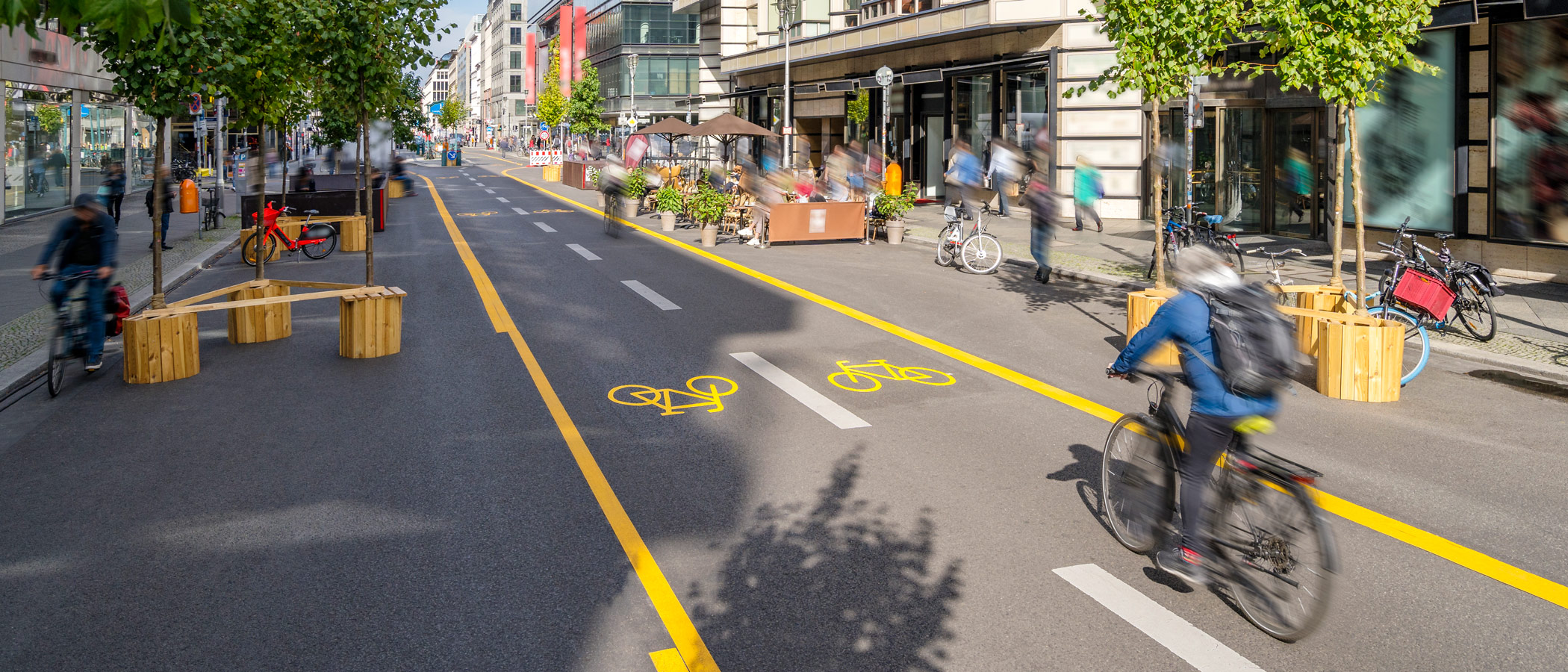
Safety should remain the primary focus of your planning. This includes not only your physical equipment but also your knowledge of local road regulations. Different regions may have distinct rules regarding the use of bike paths versus roadways. The World Health Organization emphasizes the importance of infrastructure—such as protected lanes—in reducing risks for vulnerable road users. Always ensure your route planning prioritizes these safer alternatives whenever possible.
Key Takeaways for Aspiring Cyclotourists
- Start Local: Test your gear and endurance on a short, two-day trip before committing to a long-distance expedition.
- Prioritize Signage: Utilize established national or regional cycling networks to avoid navigation stress and high-traffic roads.
- Weight Distribution: Keep heavy items low and close to the frame to maintain bicycle handling characteristics.
- Mechanical Readiness: Carry a dedicated repair kit and ensure you have the basic skills to fix a flat tire or adjust brakes on the road.
- Flexibility: Build in rest days to account for fatigue or unexpected weather conditions, which are inevitable parts of the cycling experience.
As you prepare for your upcoming excursion, remember that the objective of cycle tourism is as much about the process as the destination. By focusing on reliable equipment, realistic route planning, and prioritizing safety, you ensure that your adventure remains a positive, sustainable experience. For those looking to stay updated on the latest developments in cycling infrastructure and safety guidelines, consulting the official portals of regional transportation authorities remains the most accurate way to prepare for your journey.
Have you planned a long-distance cycling trip this year, or are you just getting started with your first route? Share your experiences and questions in the comments below, and join our community of travelers committed to exploring the world at a human pace.