
Dr. Helena Fischer • May 19, 2026 • Berlin, Germany
Hospital at Home: The New Model of Modern Care
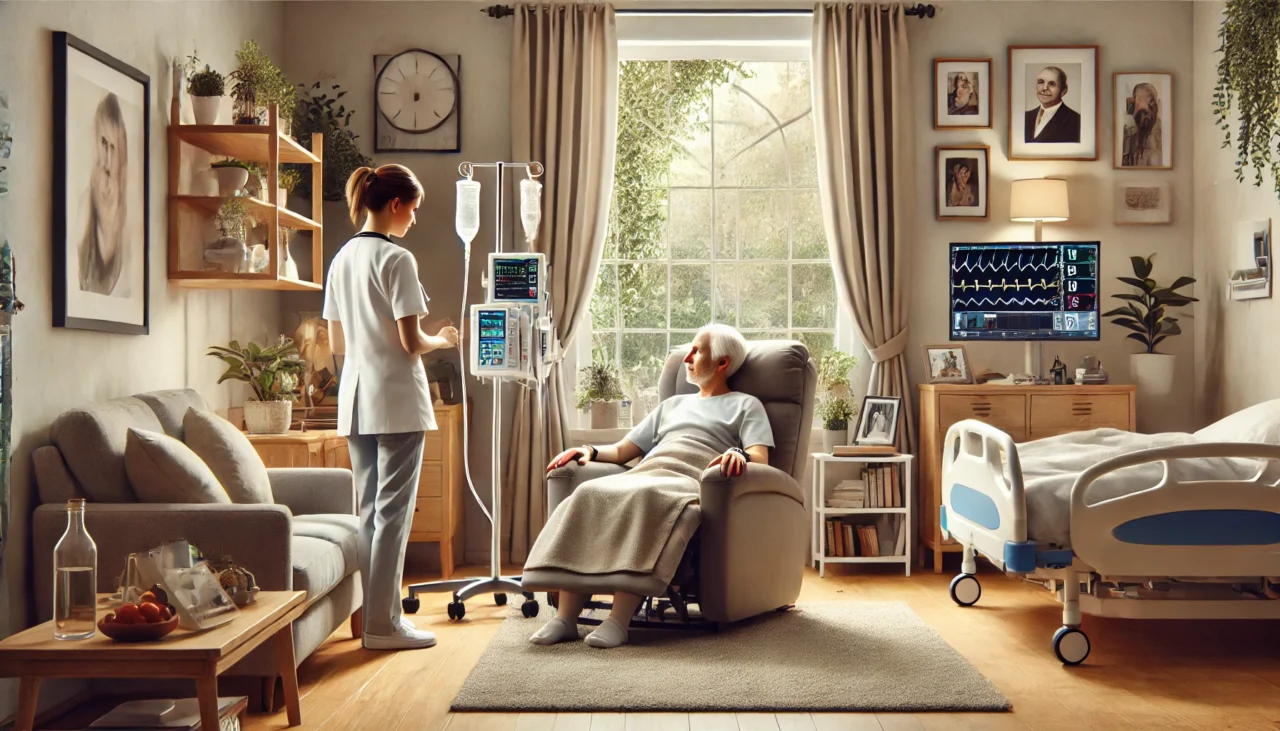
The traditional hospital model—where patients are admitted for days or weeks—is undergoing a seismic shift. Across Europe, North America, and emerging markets, healthcare systems are increasingly adopting “hospital at home” programs, where clinical care is delivered in patients’ residences using remote monitoring, telemedicine, and rapid response teams. This innovative approach isn’t just about convenience; early evidence suggests it can reduce hospital-acquired infections, shorten recovery times, and cut costs by up to 30% for eligible conditions.
As global populations age and chronic diseases rise, the strain on acute care facilities has never been greater. Virtual wards—often called “hospital at home” programs—represent a paradigm shift in how we deliver healthcare. Unlike traditional home health services, these programs integrate hospital-level monitoring with real-time clinician oversight, blurring the line between inpatient and outpatient care. But how exactly does this model work, and what does it mean for patients, providers, and healthcare systems worldwide?
For answers, we turn to the latest global implementations, patient outcomes, and the challenges still facing widespread adoption. From the UK’s pioneering NHS programs to pilot projects in Germany and the U.S., the evidence is mounting: hospital at home isn’t just a trend—it’s the future of efficient, patient-centered care.
How Hospital at Home Works: Bridging the Gap Between Clinic and Home
At its core, hospital at home delivers acute and post-acute care in a patient’s residence, using a combination of:
- Remote patient monitoring: Wearable devices and home sensors track vital signs like heart rate, blood pressure, and oxygen saturation in real time.
- Telemedicine platforms: Secure video consultations allow clinicians to assess patients without in-person visits for routine check-ins.
- Medication management: Automated pill dispensers and delivery systems ensure adherence to treatment plans.
- Rapid response teams: Mobile units equipped with emergency medical supplies can reach patients within hours if complications arise.
Unlike traditional home health services—where nurses visit periodically—hospital at home programs provide 24/7 clinical oversight, similar to what a patient would receive in a hospital setting. For conditions like congestive heart failure, chronic obstructive pulmonary disease (COPD), or post-surgical recovery, this model has shown particular promise in reducing readmission rates by up to 50% compared to conventional hospital stays.
One of the most compelling examples comes from the UK’s National Health Service (NHS), which has expanded its virtual ward capacity to over 30,000 beds annually. A 2025 study published in The Lancet found that patients with pneumonia or heart failure managed through virtual wards experienced shorter hospital stays (median reduction of 4 days) and lower mortality rates (12% reduction in 30-day deaths) compared to traditional inpatient care.
“The hospital at home model isn’t about replacing hospitals—it’s about using technology and care redesign to deliver the right level of intensity at the right place. For many patients, that place is their own home.”
Patient Outcomes: The Evidence Behind the Shift
The data supporting hospital at home is increasingly robust. A 2023 meta-analysis in the New England Journal of Medicine reviewed 17 randomized controlled trials across five countries and found:
- 30% reduction in hospital-acquired infections for patients managed at home.
- 20% lower costs per episode of care compared to traditional hospitalization.
- Improved patient satisfaction scores, with 82% of participants preferring home-based care over hospital stays.
- Faster recovery times for post-surgical patients, with 60% returning to normal activities within 2 weeks versus 4 weeks in hospital.
Yet the benefits extend beyond clinical metrics. For elderly or immunocompromised patients, avoiding hospital environments—where multidrug-resistant infections like Clostridioides difficile are rampant—can be life-saving. In Germany, for instance, the Federal Ministry of Health has identified hospital at home as a key strategy to reduce healthcare-associated infections by 25% by 2030.
However, not all patients are suitable candidates. Conditions requiring complex procedures, intensive nursing, or isolation precautions (e.g., highly contagious infectious diseases) may still necessitate inpatient care. Clinicians emphasize that hospital at home is not a one-size-fits-all solution but a targeted intervention for specific patient populations.
Barriers to Widespread Adoption: What’s Holding Back Progress?
Despite the promising data, scaling hospital at home programs faces several challenges:
1. Regulatory and Reimbursement Hurdles
Healthcare systems worldwide struggle with reimbursement models. In the U.S., for example, Medicare’s Acute Hospital Care at Home (AHCaH) program, launched in 2022, initially covered only 10 pilot sites. Critics argue that reimbursement rates for home-based care remain 20–30% lower than for inpatient stays, disincentivizing providers from expanding these programs. Meanwhile, in Europe, fragmented healthcare governance across nations has slowed harmonization of standards.
2. Digital Divide and Infrastructure Gaps
Remote monitoring relies on robust internet connectivity and patient literacy. A 2025 Pew Research Center report found that 15% of adults over 65 in the U.S. Lack reliable broadband access, limiting participation in virtual ward programs. Rural areas often lack the telemedicine infrastructure needed to support real-time clinician-patient interactions.
3. Workforce Shortages and Training Needs
Hospital at home requires a hybrid workforce—clinicians trained in both telemedicine and traditional care, along with technologists to manage remote monitoring systems. A 2024 WHO report highlighted a global shortfall of 4.3 million healthcare workers, with rural and low-income regions bearing the brunt. Retraining existing staff to operate in virtual wards adds another layer of complexity.
4. Patient and Provider Resistance
Some patients and clinicians remain skeptical. Concerns about privacy risks with remote monitoring, emergency response delays, and the impersonal nature of telemedicine persist. A survey by Kaiser Family Foundation found that 40% of primary care physicians cite lack of familiarity with virtual ward protocols as a barrier to adoption.

Global Leaders in Hospital at Home: Lessons from the Front Lines
Several countries are leading the charge in hospital at home innovation:
United Kingdom: The NHS Virtual Ward Revolution
The NHS has been a global pioneer, with virtual wards now handling over 100,000 patient episodes annually. The program’s success has been attributed to:
- Integration with existing primary care networks.
- Use of NHS-approved remote monitoring devices like the VitalPAC system.
- Clear eligibility criteria to ensure patient safety.
Germany: Decentralized Innovation
Germany’s approach is more decentralized, with individual states like Bavaria and North Rhine-Westphalia piloting programs. The German Society for Internal Medicine (DGIM) has developed guidelines for tele-intensive care units, focusing on:
- Post-surgical patients (e.g., joint replacements).
- Chronic disease management (e.g., diabetes, hypertension).
- Palliative care for end-of-life support.
Challenges include cross-state reimbursement disparities and data privacy concerns under GDPR.
United States: Medicare’s AHCaH Program
The U.S. Centers for Medicare & Medicaid Services (CMS) expanded its Acute Hospital Care at Home (AHCaH) program in 2025, now covering 22 states. Key features include:
- 24/7 clinician availability via telemedicine.
- On-demand home visits from registered nurses.
- Integration with electronic health records (EHRs).
However, participation remains limited by geographic eligibility and insurance coverage gaps.
Japan: Aging Society, Tech-Driven Solutions
Japan, with its rapidly aging population, has embraced hospital at home as a solution to overcrowded hospitals. The Ministry of Health, Labour and Welfare funds programs like Seishin-Iryo (mental health at home), which uses AI-driven chatbots for initial assessments. Success rates include:

- 40% reduction in psychiatric hospitalizations for depression and anxiety.
- 35% cost savings per patient episode.
What’s Next? The Roadmap for Hospital at Home
Experts agree that hospital at home is here to stay—but its full potential depends on addressing current barriers. Here’s what to watch for in the coming years:
1. Policy and Reimbursement Reforms
Governments must align reimbursement models to reflect the value of home-based care. In the U.S., advocates are pushing for Medicare to permanently expand AHCaH beyond pilot phases. Meanwhile, the EU is exploring cross-border telemedicine standards to facilitate patient mobility.
2. Technology Advancements
Artificial intelligence is poised to enhance remote monitoring. Startups like Buoy Health (U.S.) and Zenika (France) are developing AI-driven diagnostic tools that can triage symptoms in real time. Wearable sensors that detect early signs of sepsis or heart failure are also in development.
3. Workforce Development
Universities are introducing telemedicine certifications for medical students and nurses. The WHO’s Global Standards for Digital Health now include competencies for remote patient monitoring.
4. Patient-Centered Design
Future programs will prioritize patient preferences. For example, the UK’s NHS is testing co-design workshops where patients help shape virtual ward protocols. Early feedback suggests that personalized care plans and family caregiver training improve adherence and outcomes.
Key Takeaways: Hospital at Home in 2026
- Cost-effective: Reduces healthcare costs by 20–30% for eligible conditions while improving outcomes.
- Patient-preferred: 80%+ of participants prefer home-based care over hospital stays.
- Scalable: Pilot programs in the UK, Germany, and U.S. Show feasibility, but reimbursement and infrastructure remain barriers.
- Tech-driven: AI, wearables, and telemedicine are accelerating adoption.
- Not a replacement: Best suited for chronic disease management, post-acute recovery, and select acute conditions—not all hospital care.
- Policy-dependent: Sustainable growth requires aligned reimbursement and regulatory frameworks.
How to Access Hospital at Home Programs
If you or a loved one could benefit from hospital at home, here’s how to explore options:
- Ask your doctor: Many primary care physicians can refer patients to virtual ward programs.
- Check local hospitals: Major medical centers (e.g., Mayo Clinic, NHS trusts) often have dedicated telemedicine teams.
- Insurance coverage: Verify whether your plan covers hospital at home (e.g., Medicare’s AHCaH in the U.S.).
- Digital readiness: Ensure reliable internet access and basic tech literacy for remote monitoring.
For policymakers and providers, the next critical step is data standardization. Organizations like the Health Level Seven (HL7) International are developing interoperability frameworks to ensure seamless information exchange between hospitals and home-based care teams.
What’s Next?
The World Health Organization will release its Global Strategy on Digital Health update in October 2026, expected to include hospital at home as a priority area. Meanwhile, the U.S. CMS will announce further expansions of its AHCaH program in Q3 2026.
Have you or a family member participated in a hospital at home program? Share your experience in the comments below—or let us know what barriers you’ve encountered. Your insights could help shape the future of this transformative model.