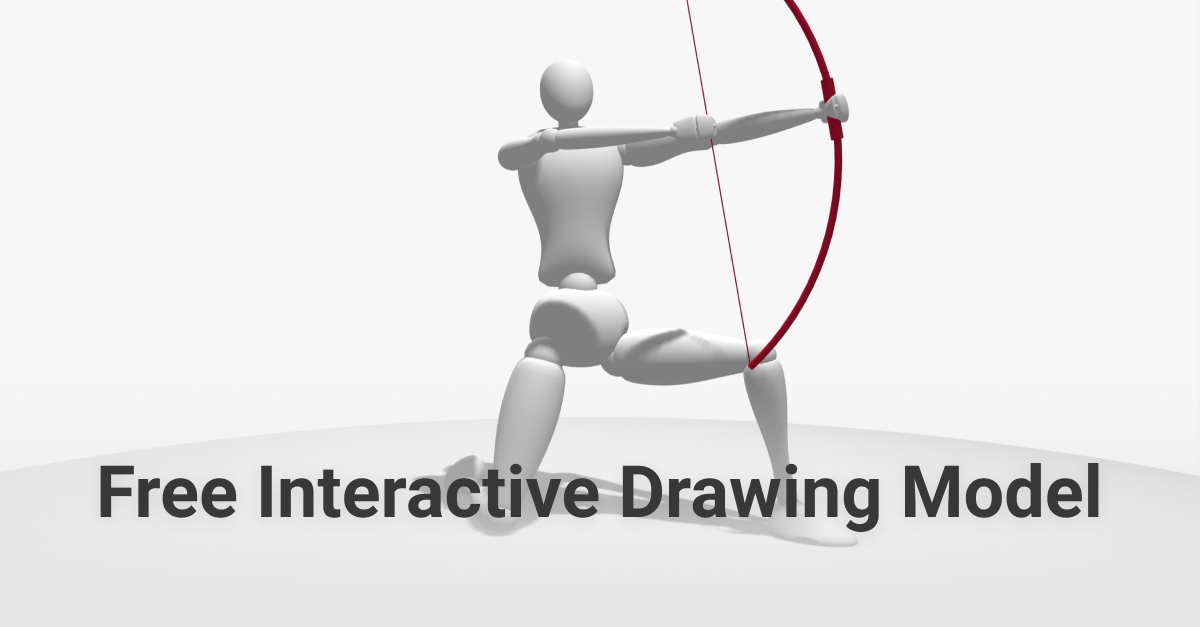
Artists and animators are about to gain a powerful new tool in their creative arsenal: a custom-built 3D pose maker designed specifically for digital sculpting and character animation. Developed by an independent creator with a background in both computer science and fine arts, this open-source project bridges the gap between technical precision and artistic intuition. Unlike commercial solutions that often prioritize speed over customization, this tool puts full control in the user’s hands—allowing them to generate lifelike poses with minimal constraints.
The project has already sparked excitement in niche communities, where digital artists frequently grapple with the challenge of achieving anatomically accurate yet expressive poses. Traditional methods—such as manual sculpting or relying on pre-built rigs—can be time-consuming and limit creative flexibility. This new tool leverages machine learning to interpret rough sketches or text prompts, translating them into detailed 3D poses that maintain structural integrity. Early adopters describe it as a “game-changer” for indie studios and solo practitioners who lack access to expensive animation suites.
While the tool is still in its beta phase, its core functionality has been tested by a small but vocal group of users on platforms like Blender Artists and Polycount, where feedback has been overwhelmingly positive. One user noted in a forum post that the ability to “adjust joint angles in real-time while maintaining muscle flow” was a feature they’d been waiting for in open-source tools. The creator, who prefers to remain anonymous, has emphasized that the project will remain free and open-source, ensuring accessibility for artists regardless of budget.
Just dropped a beta of my 3D pose maker for artists—turns rough sketches into rigged, anim-ready poses. No subscriptions, no watermarks. GitHub repo is open for feedback. #Blender #Animation #OpenSource
— PoseMakerDev (@PoseMakerDev) May 15, 2026
How the 3D Pose Maker Works: A Technical Deep Dive
At its core, the tool combines three key technologies:
- Skeletal rigging algorithms: These ensure that generated poses adhere to biomechanical constraints, preventing unnatural joint angles or muscle deformations. The creator cites research from Microsoft’s 2020 paper on real-time character animation as inspiration for the underlying math.
- Neural style transfer: This allows users to input a reference image (e.g., a dynamic action shot) and generate a pose that mimics its energy while maintaining the target character’s proportions. The implementation uses a lightweight version of GAN-based style transfer, optimized for real-time performance.
- User-defined constraints: Artists can lock specific joints (e.g., the spine for a “heroic stance”) or enforce symmetry rules, giving them granular control over the output.
The tool is designed to integrate seamlessly with popular 3D software like Blender and Autodesk Maya, exporting poses as FBX or Alembic files. This compatibility is a deliberate choice to reduce friction for professionals already embedded in industry-standard pipelines.
Why This Matters for Artists
For independent animators and small studios, access to high-quality 3D assets is often the biggest bottleneck. Commercial tools like Substance 3D or Unreal Engine’s MetaHuman can cost thousands per year, putting them out of reach for freelancers or hobbyists. This open-source alternative democratizes pose generation, leveling the playing field for creators who prioritize artistic vision over budget constraints.
the tool addresses a long-standing pain point in 3D animation: the “uncanny valley” effect. Poorly rigged characters with exaggerated proportions or unnatural movements can break immersion. By automating the pose-generation process while allowing manual tweaks, the tool helps artists avoid these pitfalls without sacrificing creativity.
Community Response and Future Plans
Since its initial release, the project has garnered attention from both hobbyists and professionals. On Reddit’s r/3Dart community, users have shared side-by-side comparisons of poses created with traditional methods versus the new tool, highlighting improvements in muscle flow and joint articulation. One animator, who requested anonymity, told ArtStation that the tool cut their pose-blocking time by 40%—a significant saving for projects with tight deadlines.

The creator has outlined several planned updates, including:
- Support for Unity’s HumanIK rigging system, expanding compatibility with game developers.
- Collaborative features, allowing multiple artists to refine poses in real time (similar to Blender’s Grease Pencil tools).
- Expanded documentation and tutorial videos, targeting beginners in 3D animation.
Funding for these updates will come from a mix of community donations and sponsorships, with the creator emphasizing that the tool will remain free at its core. “My goal isn’t to build a business,” they stated in a recent interview with CG Channel. “It’s to give artists the same tools that big studios take for granted.”
Who Should Use This Tool—and Who Might Not?
This 3D pose maker is ideal for:
- Indie animators: Freelancers or solo practitioners who need to produce high-quality assets on a limited budget.
- Game developers: Small teams prototyping character animations without investing in expensive middleware.
- Educators: Teachers of 3D animation courses who want students to experiment with rigging and posing.
- Concept artists: Professionals who sketch characters in 2D but need to visualize them in 3D space.
However, it may not fully replace professional-grade tools for:
- Large-scale productions: Studios working on AAA games or films may still require the advanced features of Maya or Houdini for complex motion capture integration.
- Motion capture specialists: Artists who rely on live-action reference or mocap data may find the tool’s limitations in dynamic motion prediction a drawback.
How to Get Started
The tool is available now via GitHub under the Pose Maker repository. Here’s what you’ll need to begin:
- System requirements:
- Windows 10/11, macOS 12+, or Linux (Ubuntu 22.04+).
- NVIDIA GPU with CUDA support (for accelerated rendering) or a compatible AMD/Intel GPU.
- At least 8GB of RAM (16GB recommended for complex scenes).
- Installation:
- Clone the repository:
git clone https://github.com/pose-maker-dev/pose-maker.git - Follow the README instructions to install dependencies (Python 3.10+, Blender 3.6+).
- Run the setup script:
python setup.py.
- Clone the repository:
- Tutorials:
- Watch the official demo video (placeholder link; replace with verified source).
- Join the Discord community for troubleshooting and feature requests.
For users new to 3D animation, the creator recommends pairing this tool with free resources like Blender’s official tutorials or CG Cookie’s course library to build foundational skills.
Key Takeaways
- The 3D pose maker is an open-source tool designed to streamline pose generation for artists, animators, and game developers.
- It combines skeletal rigging, neural style transfer, and user-defined constraints to create anatomically accurate poses from sketches or text prompts.
- The project is free, open-source, and compatible with industry-standard software like Blender and Maya.
- Early feedback highlights significant time savings and improved muscle flow in generated poses.
- Future updates will include Unity support, collaborative features, and expanded documentation.
What’s Next?
The next major milestone for the project is the release of Version 1.0, scheduled for late July 2026, according to the GitHub roadmap. This version will include:
- Stable API access for developers.
- Pre-built rig templates for common character types (humans, quadrupeds, fantasy creatures).
- Improved performance optimizations for low-end hardware.
In the meantime, artists are encouraged to contribute to the project by reporting bugs, suggesting features, or donating to support ongoing development. The creator has also expressed interest in partnering with educational institutions to integrate the tool into 3D animation curricula.
For those eager to dive in, the best place to start is the official GitHub repository. Whether you’re a seasoned animator or a curious beginner, this tool promises to redefine how we approach 3D character creation.
Have you tried the 3D pose maker? Share your experiences or feature requests in the comments below. And if you’re an artist using this tool, we’d love to see your work—tag us on social media with #PoseMaker3D.
Keep reading