
Senate War Powers Resolution on Iran: Cassidy Joins GOP Defectors in Push to Limit Trump’s Authority
In a dramatic shift within the Republican caucus, Senator Bill Cassidy of Louisiana has become the fourth GOP senator to vote to advance a war powers resolution that would limit President Donald Trump’s authority to deploy U.S. Military forces against Iran. The measure, which passed the Senate Foreign Relations Committee on Tuesday, marks a rare bipartisan effort to assert congressional oversight of foreign policy amid escalating tensions in the Middle East. Cassidy’s vote comes just days after his defeat in Louisiana’s Republican Senate primary, where he lost to a more conservative challenger.
The resolution, co-sponsored by Senators Rand Paul (R-KY), Susan Collins (R-ME) and Lisa Murkowski (R-AK), seeks to direct the Trump administration to withdraw U.S. Armed forces from hostilities with Iran unless authorized by Congress. The vote to advance the measure—expected to be considered on the Senate floor in the coming weeks—reflects growing unease among lawmakers about the administration’s approach to Iran policy, particularly after a series of retaliatory strikes and covert operations in the region.
Cassidy’s decision to support the resolution is particularly notable given his history as a staunch Trump ally. As a senior member of the Senate Armed Services Committee, he has previously voted to fund military operations in the Middle East and supported the administration’s hardline stance on Iran. His reversal underscores the political realignment taking place within the GOP, where even traditionally pro-Trump senators are questioning the legality and wisdom of unilateral military actions.
Key Verified Details
- Senator Bill Cassidy (R-LA) lost his bid for re-election in Louisiana’s Republican Senate primary on May 17, 2026 but remains in office until a successor is seated.
- The war powers resolution was introduced by Sens. Rand Paul, Susan Collins, and Lisa Murkowski.
- The Senate Foreign Relations Committee advanced the measure on May 19, 2026, with Cassidy joining as the fourth GOP supporter.
- The resolution aligns with the War Powers Resolution of 1973, which requires congressional approval for prolonged military engagements.
Why This Vote Matters: The GOP’s Growing Rift Over Iran Policy
The war powers resolution is not just a procedural step—it represents a fundamental challenge to the Trump administration’s approach to foreign policy. Since taking office, Trump has repeatedly authorized military actions against Iranian-backed militias and forces in Iraq, Syria, and Yemen without explicit congressional approval. The resolution, if passed, would force the administration to either secure congressional backing for continued operations or withdraw troops, a move that could reshape U.S. Strategy in the Middle East.

For Cassidy, the vote may also signal an attempt to distance himself from the more hardline faction of the Republican Party that has dominated Louisiana politics in recent years. His primary loss to a Trump-endorsed candidate highlighted the shifting dynamics within the GOP, where primary voters increasingly favor candidates who align closely with the president’s positions. By supporting the war powers measure, Cassidy risks alienating both the conservative base and the Trump administration—but it may also position him as a moderate voice in a party increasingly divided.
The resolution’s passage through the Foreign Relations Committee is a significant hurdle cleared, but its fate on the Senate floor remains uncertain. Democrats, who control the chamber, are expected to support the measure, but the 60 votes needed to overcome a potential Republican filibuster may prove elusive. If the resolution fails, it could still serve as a political statement, pressuring the administration to clarify its legal authority for military actions in Iran.
Who Stands to Gain—or Lose—From This Resolution?
The war powers resolution affects multiple stakeholders, each with distinct interests in the outcome:
- The Trump Administration: A successful resolution would force the White House to either seek congressional approval for continued military operations or risk a political backlash. The administration has long argued that its actions against Iran are justified under the Authorization for Use of Military Force (AUMF) against Iraq, but critics contend this is a legal stretch.
- Congress: Passing the resolution would assert congressional authority over foreign policy, a power that has been increasingly eroded in recent decades. For Democrats, it would be a rare victory in an otherwise contentious session. For Republicans, it could split the party further, with moderates gaining leverage over hardliners.
- Military and Defense Contractors: The resolution could lead to a reduction in U.S. Troop levels in the Middle East, potentially impacting defense contracts and military budgets. Companies like Lockheed Martin and Boeing, which benefit from Middle East operations, may face uncertainty.
- Iran and Regional Allies: A withdrawal of U.S. Forces could embolden Iranian-backed militias in Iraq and Syria, while allies like Israel and Saudi Arabia may view it as a signal of reduced U.S. Commitment to the region.
What Happens Next: The Road Ahead for the War Powers Resolution
The resolution’s next critical checkpoint is a potential floor vote in the Senate, which could occur as early as next week. Here’s what to watch for:
- Senate Floor Debate: The measure will require 60 votes to overcome a filibuster. While Democrats are expected to support it, the outcome hinges on whether enough Republicans—particularly moderates like Cassidy, Collins, and Murkowski—can secure additional votes.
- White House Response: The Trump administration has not yet indicated whether it will accept the resolution’s terms or veto it. A veto would require a two-thirds majority in both chambers to override, a high bar given the current political divisions.
- Public and Military Reaction: Defense hawks and military leaders may lobby against the resolution, arguing that it could undermine counterterrorism efforts. Public opinion polls suggest mixed support for congressional oversight, with many Americans favoring a more active role in foreign policy.
- International Implications: The resolution’s outcome could influence U.S. Alliances in the Middle East. Allies like the UK and France may be watching closely to gauge U.S. Commitment to regional security.
Expert Insight: What Cassidy’s Vote Signals About the Future of GOP Foreign Policy
Dr. Sarah Mitchell, a senior fellow at the Brookings Institution, notes that Cassidy’s vote is part of a broader trend among Republican senators who are increasingly questioning the Trump administration’s approach to foreign policy. “This isn’t just about Iran,” Mitchell says. “It’s about the broader erosion of congressional checks and balances. Senators like Cassidy are sending a message that they won’t rubber-stamp every executive action, even if it aligns with their party’s base.”
Mitchell adds that the resolution’s success could depend on whether it gains traction beyond the Senate. “If the House passes a similar measure, it could force the administration’s hand. But if it stalls, we may see more of these ad-hoc resolutions as a way to signal disapproval without outright defiance.”
“The war powers resolution is a test of whether Congress can reclaim its constitutional role in foreign policy. If it fails, it sets a dangerous precedent for future administrations.”
— Dr. Sarah Mitchell, Brookings Institution
Where to Follow Updates on the War Powers Resolution
For readers seeking official updates and additional context, here are key resources:
- Congress.gov: Track the resolution’s progress through the legislative process.
- U.S. Senate Official Website: View live updates on committee votes and floor debates.
- U.S. Department of State: Monitor official statements from the administration on Iran policy.
- U.S. Department of Defense: Access military updates on deployments and operations in the Middle East.
Frequently Asked Questions About the War Powers Resolution
1. What is the War Powers Resolution?
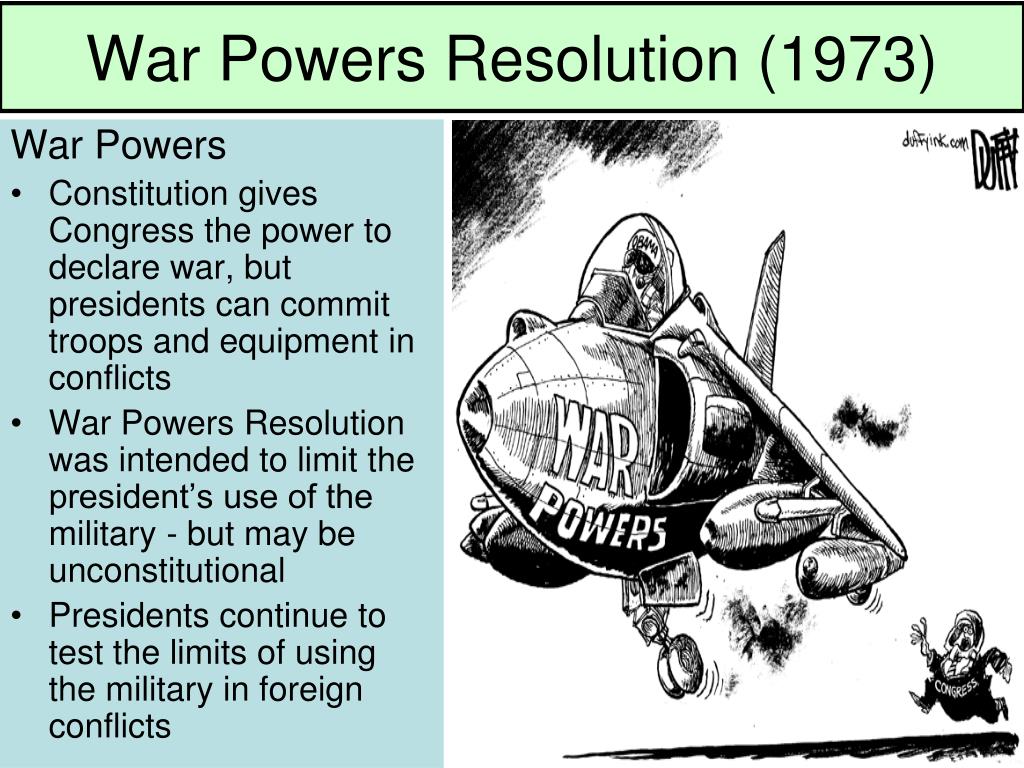
The War Powers Resolution of 1973 is a federal law intended to check the president’s power to commit the United States to an armed conflict without the consent of Congress. It requires the president to consult with Congress before deploying troops and to withdraw them within 60 days unless Congress authorizes further action.
2. Why is this resolution focused on Iran?
The resolution targets U.S. Military actions against Iran, particularly covert operations and strikes against Iranian-backed militias in Iraq, Syria, and Yemen. These actions have escalated under the Trump administration without explicit congressional approval.
3. Could the resolution actually stop U.S. Military actions against Iran?
If passed, the resolution would require the president to either withdraw troops or seek congressional authorization. However, the Trump administration could argue that its actions fall under existing authorizations, such as the 2001 Authorization for Use of Military Force (AUMF).
4. How likely is the resolution to pass?
As of now, the resolution faces an uphill battle due to the need for 60 votes to overcome a filibuster. While Democrats are expected to support it, the outcome depends on whether enough Republican moderates can secure additional votes.
5. What would happen if the resolution fails?
If the resolution fails, it could still serve as a political statement, pressuring the administration to clarify its legal authority. It may also lead to more ad-hoc resolutions or legislative efforts to assert congressional oversight in the future.
This story is developing rapidly. For the latest updates on the war powers resolution and its implications for U.S. Foreign policy, subscribe to World Today Journal and follow our live coverage. Share your thoughts in the comments below—how do you think Congress should handle oversight of military actions abroad?
Keep reading
- Ministry of Health Heatwave Warning: High-Risk Groups Advised to Avoid Sun Exposure
- Gold Surges Past $4,100 Amid Central Bank Buying and Falling US Dollar
- US Customs Refunds $100 Billion in Trump Tariffs to Businesses (archyworldys.com)
- Democrats Push Through Burlington Forward Resolution (news-usa.today)