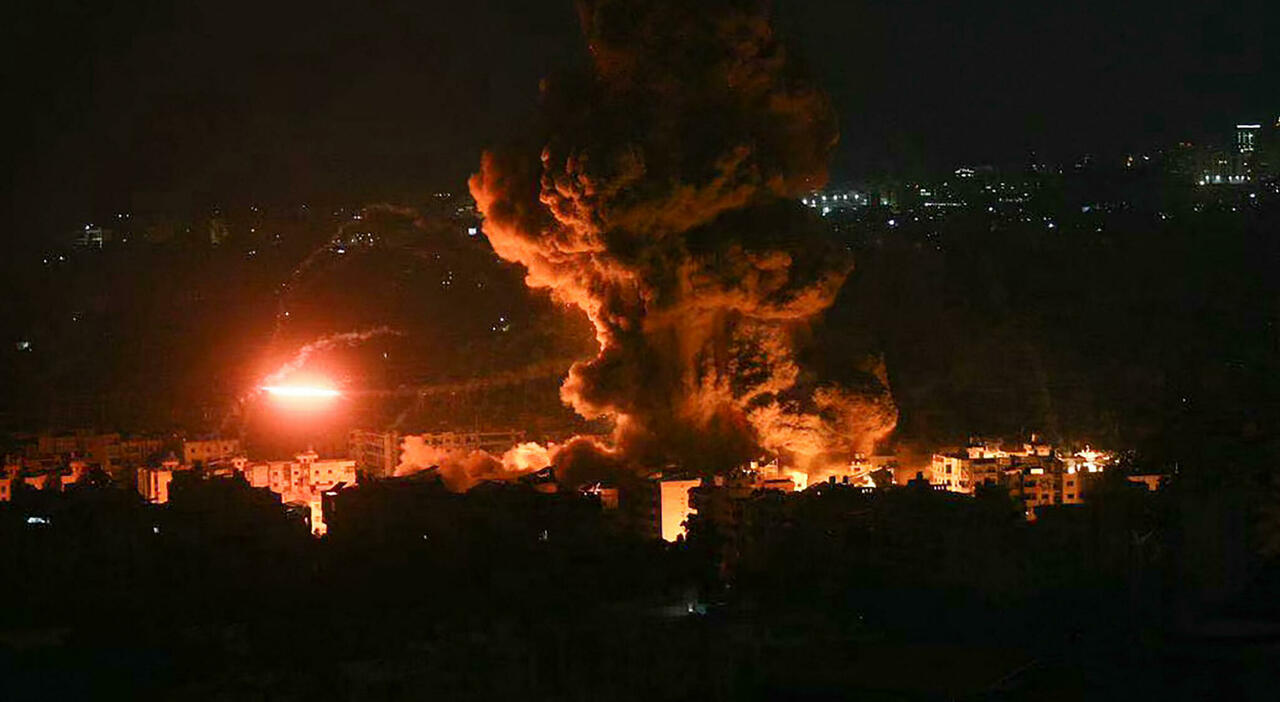
As regional tensions across the Middle East continue to escalate, the geopolitical landscape remains volatile following a series of interconnected military actions involving the United States, Israel, Iran, and various regional militias. The situation, characterized by an ongoing campaign of airstrikes and retaliatory measures, has drawn significant international attention as leaders grapple with the potential for a prolonged conflict.
In Washington, President Donald Trump has signaled that the current U.S. Military involvement could be extensive. Addressing the public, the president indicated an open-ended timeline for the campaign, stating, “Whatever the time is, it’s OK, whatever it takes,” while noting that while initial projections suggested a duration of four to five weeks, the U.S. Maintains the capability to operate for a much longer period should it be necessary (New York Times).
Expanding Military Operations and Regional Impact
The conflict has broadened significantly since its inception, with military operations extending beyond Iranian territory. On Monday and early Tuesday, reports confirmed that U.S. And Israeli planes conducted strikes against targets within Iran. Simultaneously, the theater of conflict expanded into Lebanon, where the Iranian-allied militia Hezbollah launched rockets into Israel, triggering a robust military response from Israeli forces targeting command centers and weapons storage facilities in Beirut (New York Times).
The operational scope has also reached the Gulf region. The United Arab Emirates’ Defense Ministry reported that its air defenses were actively responding to a barrage of ballistic missiles originating from Iran. The Saudi Defense Ministry confirmed that the American Embassy in Riyadh was targeted by two drones, resulting in a “limited fire” and minor damage, leading to the temporary closure of the facility (New York Times).
Diplomatic Complexities and the Ceasefire Status
The diplomatic narrative surrounding these hostilities has become increasingly fragmented. While there have been discussions regarding a ceasefire between the United States and Iran, the scope of such agreements remains a point of contention. President Trump explicitly stated that Lebanon was not included in the ceasefire arrangements, characterizing the ongoing conflict between Israel and Hezbollah as a “separate skirmish” (Al Jazeera).

This position was reinforced by White House spokeswoman Karoline Leavitt, who confirmed that Lebanon was not part of the ceasefire relayed to the involved parties. This exclusion persists despite earlier announcements from Pakistan—which acted as a mediator—suggesting that Lebanon was intended to be covered by the truce (Al Jazeera). The uncertainty regarding the ceasefire’s reach continues to complicate international efforts to de-escalate the violence in the region.
Looking Ahead: The Path of the Conflict
As the U.S. Administration emphasizes a long-term commitment to the campaign, officials have indicated that the most significant military developments may still be on the horizon. Secretary of State Marco Rubio noted on Capitol Hill that “the hardest hits are yet to come from the U.S. Military,” underscoring the administration’s resolve to continue current operations until specific objectives are met (New York Times).

The situation remains fluid. As of mid-May 2026, the region continues to experience the effects of these strikes, with reports of ongoing activity in Lebanon and beyond. Observers and international stakeholders are closely monitoring official statements from the White House and regional defense ministries for updates on the military trajectory and any shifts in diplomatic positioning.
We invite our readers to share their perspectives on these developments in the comments section below. For the latest official updates, please monitor statements issued by the U.S. Department of State and relevant regional defense authorities.
Keep reading
- Dunaj v Budapešti je téměř na minimu, výletní lodě stojí – Novinky
- Why Countries Rich in Resources Often Remain Poor
- Trump says US being ‘invaded by filthy air’ as he threatens Canada with tariffs over wildfires (archyworldys.com)
- Trump Threatens Tariffs on Canada Over Wildfire Smoke and Forest Management (time.news)