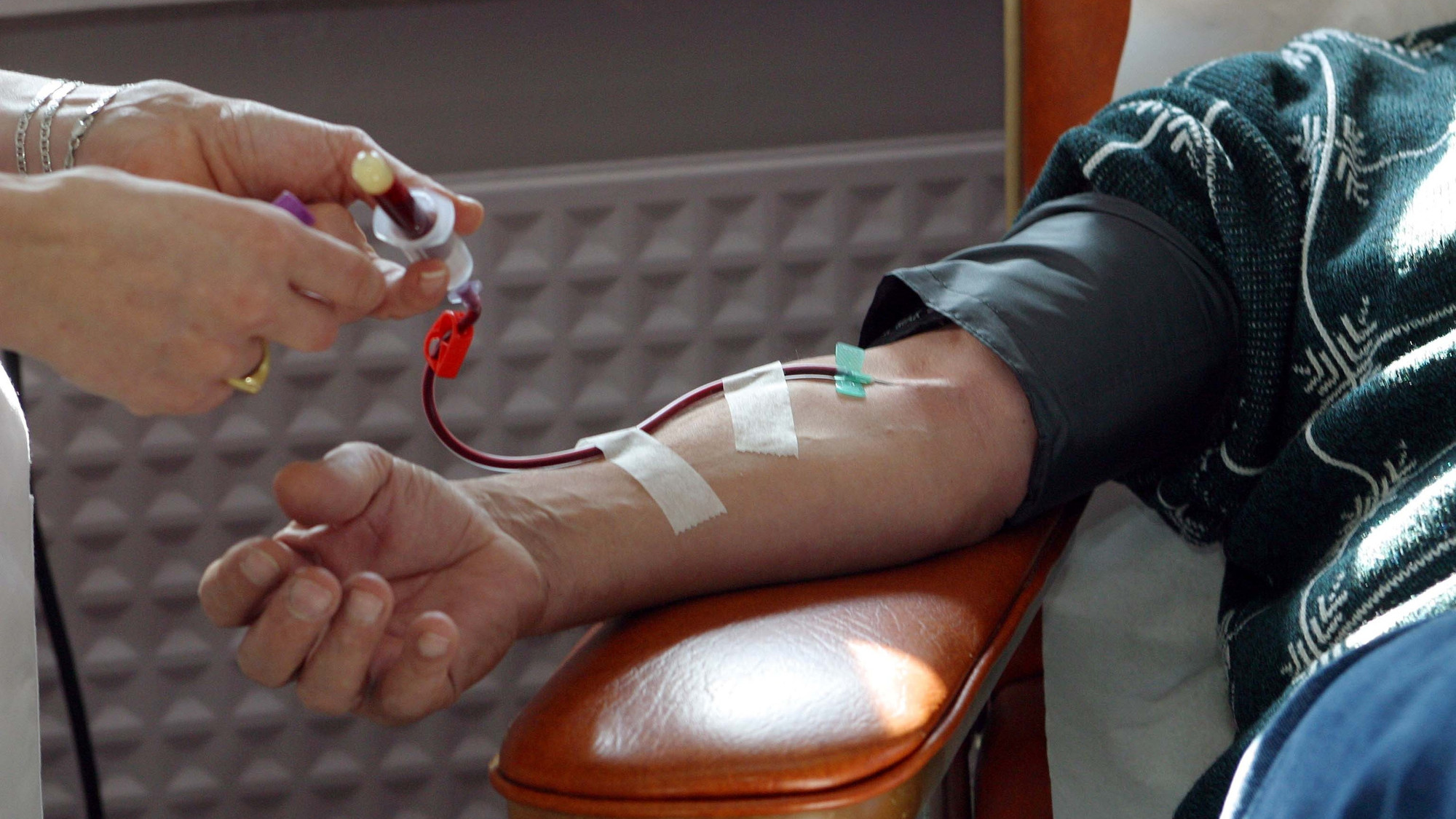
As a physician, I have long monitored the evolution of diagnostic medicine with keen interest. The prospect of moving from invasive tissue biopsies to a simple blood draw—what we call liquid biopsy technology—represents one of the most significant shifts in oncology today. For patients and clinicians alike, the goal is clear: detect cancer at its earliest, most treatable stages, long before symptoms manifest or traditional imaging can identify a mass.
Recent advancements in multi-cancer early detection (MCED) tests have brought this technology from the realm of theoretical research into clinical study settings. By analyzing circulating tumor DNA (ctDNA) or other biomarkers in the bloodstream, these tests aim to identify the presence of malignancy across a broad spectrum of cancer types. However, as with any emerging medical innovation, it is essential to distinguish between clinical study performance and established standard-of-care screening protocols.
The Evolution of Multi-Cancer Early Detection
The medical community is currently evaluating the role of blood-based screening in a population-wide context. A significant milestone in this field was reached with the PATHFINDER 2 study, the largest interventional study of an MCED test in the United States to date. According to data presented at the European Society for Medical Oncology (ESMO) Congress 2025, the study enrolled 35,878 participants across the United States and Canada, focusing on adults aged 50 and older with no clinical suspicion of cancer. Official results from the study, based on a pre-specified analysis of the first 25,578 participants, highlighted the potential for these tests to supplement existing screening programs.
It is important for patients to understand that these tests do not replace recommended screenings, such as mammograms for breast cancer or colonoscopies for colorectal cancer. Instead, the focus is on augmenting current detection capabilities. As noted by Dr. Josh Ofman, President at GRAIL, the integration of such tests into the clinical workflow aims to increase the detection rate of cancers that currently lack recommended screening options, while also helping to guide more efficient diagnostic workups through the test’s ability to predict the source of the cancer signal in the body.
Clinical Considerations and Regulatory Status
While the data from large-scale studies are promising, the regulatory landscape remains a critical factor for patients to consider. Many of these liquid biopsy technologies, including the Galleri test, have not yet been cleared or approved by the U.S. Food and Drug Administration (FDA). In the United States, laboratories offering these tests are typically regulated under the Clinical Laboratory Improvement Amendments (CLIA), which ensures the quality of laboratory testing but differs from the rigorous pre-market approval process required for FDA-cleared diagnostic devices.
From my perspective in clinical practice, the primary benefit of early detection is the shift toward treating cancers in early stages, when they are generally more treatable and potentially curable. The PATHFINDER 2 study reported that more than half of the cancers detected by the test were identified in early stages. The study noted that approximately three-quarters of the cancers detected by the test were types that do not currently have recommended routine screenings.
What This Means for Patients
The transition toward blood-based cancer detection is undoubtedly an exciting frontier, but it is not yet a universal standard. Patients should continue to prioritize established, evidence-based screening recommendations provided by their primary care physicians or oncologists. If you are interested in new screening technologies, the most appropriate path is to have an open discussion with your healthcare provider about your personal risk factors, family history, and whether participating in a clinical trial or utilizing a laboratory-developed test is appropriate for your specific health situation.
Medical innovation is a marathon, not a sprint. While we have seen remarkable improvements in our ability to sequence DNA and identify biological signals in the blood, the clinical utility of these tests must continue to be validated through rigorous, peer-reviewed prospective studies. We are currently in a phase where data is being synthesized to determine how these tests can best fit into a comprehensive public health strategy to reduce cancer mortality worldwide.
Key Takeaways for Patients
- Not a Replacement: Liquid biopsy tests are currently designed to be used alongside, not in place of, standard-of-care screenings like colonoscopies or mammograms.
- Clinical Study Focus: Much of the current data, such as the results from the PATHFINDER 2 study, originates from large-scale clinical trials rather than routine, FDA-approved clinical practice.
- Consult Your Doctor: Always discuss new diagnostic tests with your physician to understand the potential benefits, limitations, and the clinical implications of a positive or negative result.
- Regulatory Context: Be aware that many MCED tests are offered as laboratory-developed tests under CLIA regulations rather than being FDA-cleared diagnostic products.
As we look toward the future, the integration of liquid biopsies into routine care will depend on the continued accumulation of longitudinal data. Readers interested in the latest updates on cancer screening guidelines should monitor official communications from health ministries and regulatory bodies, such as the FDA in the United States or the European Medicines Agency (EMA) in Europe. I encourage you to share your thoughts or questions in the comments section below—I look forward to hearing your perspectives on the future of personalized medicine.
- How to Hit Your Daily Protein Goal Without Feeling Sick
- Study Links Adequate Vitamin D Levels to Lower Dementia Risk in Middle-Aged Adults
- Pan-Mass Challenge Aims for $79 Million to Support Cancer Research at Dana-Farber (news-usa.today)
- Trabzonspor President Ertuğrul Doğan Says Club Could Sell 150 Million Euros in Players (archyworldys.com)