The geopolitical landscape of Eurasia continues to evolve as Russian President Vladimir Putin engages in high-level diplomatic discussions with Chinese leadership. As of May 2026, the nature of the partnership between Moscow and Beijing remains a focal point for international observers and policy analysts alike. While the two nations have deepened their cooperation in various sectors, experts emphasize that characterizing this relationship as a formal military alliance may overlook the nuanced, pragmatic nature of their strategic alignment.
The recent diplomatic activity follows a period of intense global scrutiny regarding how the two major powers navigate their respective interests on the world stage. Observers note that while Russia and China have frequently aligned their positions in international forums, such as the United Nations, their interactions are defined by distinct national objectives rather than a singular, unified bloc. Understanding this distinction is essential for interpreting the trajectory of their bilateral ties in an era of shifting global alliances.
Defining the Strategic Partnership
The relationship between Russia and China is often described by officials in both countries as a “comprehensive strategic partnership of coordination.” This terminology is significant, as it avoids the implications of a mutual defense treaty or a collective security pact. According to official diplomatic reporting from 2024, the two nations have focused on expanding economic, energy and technological cooperation, particularly in response to external pressures and sanctions. This pragmatic cooperation allows both Moscow and Beijing to leverage their respective strengths without ceding sovereignty or becoming beholden to the other’s specific foreign policy goals.
Analysts often point out that the absence of a formal military alliance is a deliberate choice. By maintaining flexibility, both nations retain the ability to act independently when their national interests diverge. This is particularly relevant when considering their respective relationships with other global powers and their differing approaches to regional stability. The “no limits” partnership, a term used in a joint statement in February 2022, is best understood as an expression of intent to deepen cooperation rather than a binding military commitment to act in concert on all fronts.
Economic and Energy Cooperation
At the core of the Russia-China dynamic is a robust economic exchange, heavily weighted toward energy exports. Russia’s pivot toward Asian markets has been accelerated by the geopolitical shifts observed since 2022. China, as the world’s second-largest economy, serves as a critical destination for Russian oil, gas, and coal, providing a vital source of revenue for the Russian economy under international sanctions. In return, Russia has become a significant supplier of energy resources, helping China meet its massive industrial and domestic demand.

Beyond energy, the two countries are exploring deeper integration in financial systems and technological development. Efforts to facilitate cross-border payments in local currencies are designed to reduce reliance on the US dollar, a move that both Beijing and Moscow view as a safeguard against potential future financial restrictions. However, the implementation of these measures is gradual, reflecting the caution both sides exercise in restructuring their financial dependencies.
Key Takeaways on Russia-China Relations
- Strategic Alignment: The relationship is built on shared interests and mutual benefit rather than a formal military alliance or ideological homogeneity.
- Energy Focus: Energy trade remains the primary pillar of economic cooperation, with Russia supplying significant volumes of hydrocarbons to the Chinese market.
- Flexibility: Both nations maintain the autonomy to pursue independent foreign policies, ensuring that their cooperation does not equate to a loss of strategic sovereignty.
- Financial Cooperation: There is a concerted effort to increase the use of local currencies in bilateral trade to mitigate the impact of international financial sanctions.
Navigating Global Perceptions
The perception of a “China-Russia axis” is a common theme in Western discourse, yet it often fails to capture the complexity of the internal debates within both nations. In China, there is a clear imperative to maintain access to global markets and preserve stability in its relationship with the European Union and the United States. While Beijing values its strategic partnership with Moscow, it remains wary of being drawn into conflicts that could jeopardize its own economic development or global standing.

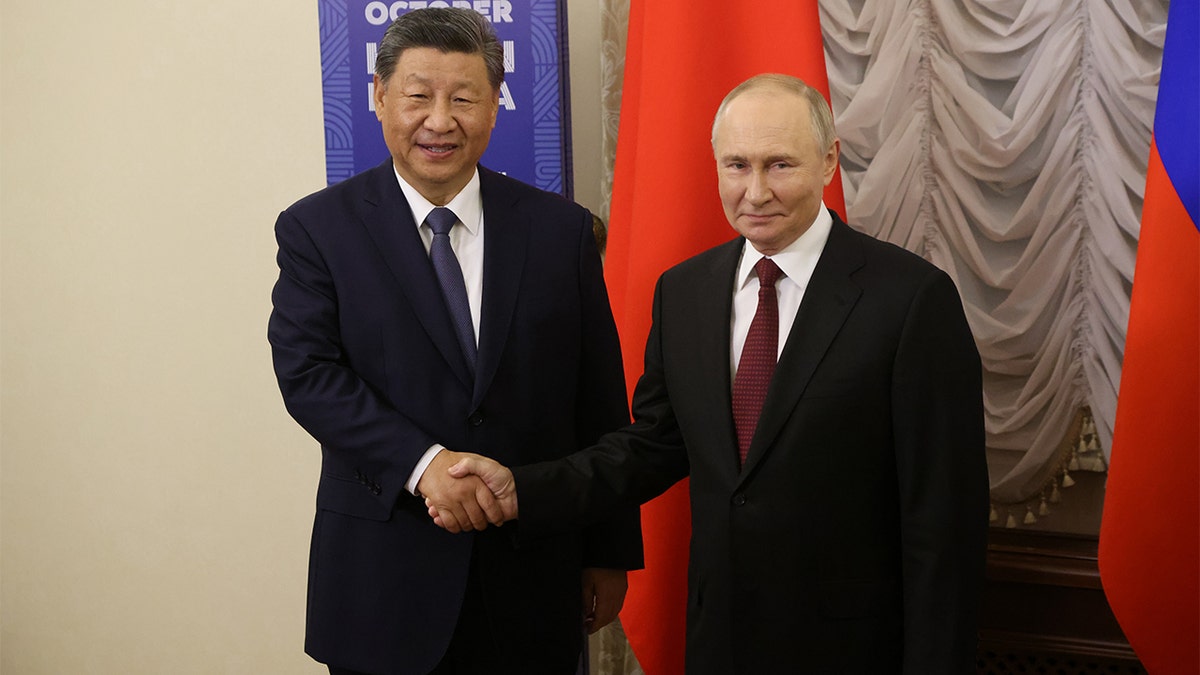
Conversely, Russia seeks to avoid a position of junior partnership. Moscow continues to assert its role as an independent power center, emphasizing its cultural, historical, and strategic identity as a Eurasian state. The ongoing diplomatic exchanges between the two leaderships are carefully choreographed to project an image of solidarity to the outside world, even as the substance of their negotiations remains focused on specific, often transactional, outcomes.
As the international community continues to monitor these developments, the focus will likely remain on whether this partnership can withstand the pressures of a rapidly changing global order. Future milestones in this relationship will be marked by further high-level summits, the signing of new trade agreements, and the continued alignment of voting patterns at the UN Security Council. For observers, the most important indicator of the health of these ties will not be rhetoric, but the tangible expansion of infrastructure projects and the sustained volume of bilateral trade.
We invite our readers to share their perspectives on the evolving dynamics of the Russia-China relationship in the comments section below. Stay tuned to World Today Journal for continued coverage and analysis as these developments unfold on the world stage.
Related reading
- Who Killed Elisabeth Jane Ross? New Details Emerge in Greece Murder Inquiry
- Arizona Schools: Tackling Extreme Heat for Back-to-School
- China’s AI Sector Challenges US Rivals With High-Performance Models (archyworldys.com)
- Hugging Face CEO: China’s Open Models Could Overtake US AI by Next Year (time.news)