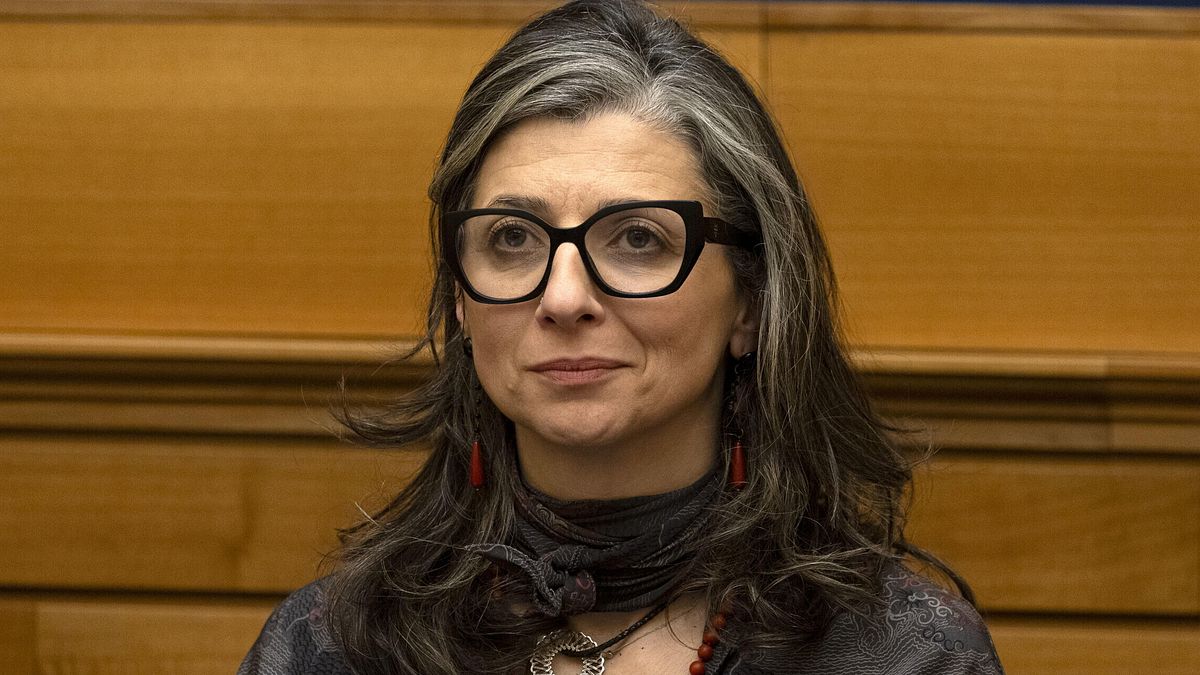
In a significant legal development that has reverberated through the diplomatic and human rights communities, a United States federal court has moved to block sanctions previously imposed against Francesca Albanese, the United Nations Special Rapporteur on the situation of human rights in the Palestinian territories occupied since 1967. The judicial intervention comes at a moment of intense international scrutiny regarding the independence of UN officials and the limits of unilateral state actions.
The ruling, handed down by a federal judge, represents a major setback for the U.S. Administration’s efforts to penalize the Special Rapporteur. While the sanctions were intended to address the official’s critical reports and advocacy, the court’s decision suggests a potential conflict between executive sanctioning powers and protected forms of speech and international mandate implementation. This legal victory for Albanese is contrasted by a political rejection in Europe, where the City of Paris has officially declined to grant her honorary citizenship.
The dual nature of these developments—a legal win in Washington and a political loss in Paris—highlights the deeply polarized landscape in which the UN Special Rapporteur operates. As international bodies struggle to maintain neutrality in high-stakes geopolitical conflicts, the decisions made by individual sovereign states regarding UN officials are becoming increasingly significant markers of political alignment.
A Judicial Check on Executive Authority
The federal court’s decision to suspend or block the sanctions marks a pivotal moment in the ongoing tension between the United States government and the United Nations. The sanctions, which had previously been implemented to restrict the financial activities and travel capabilities of the Special Rapporteur, were challenged on the grounds that they exceeded legal authority and infringed upon fundamental principles of international discourse.
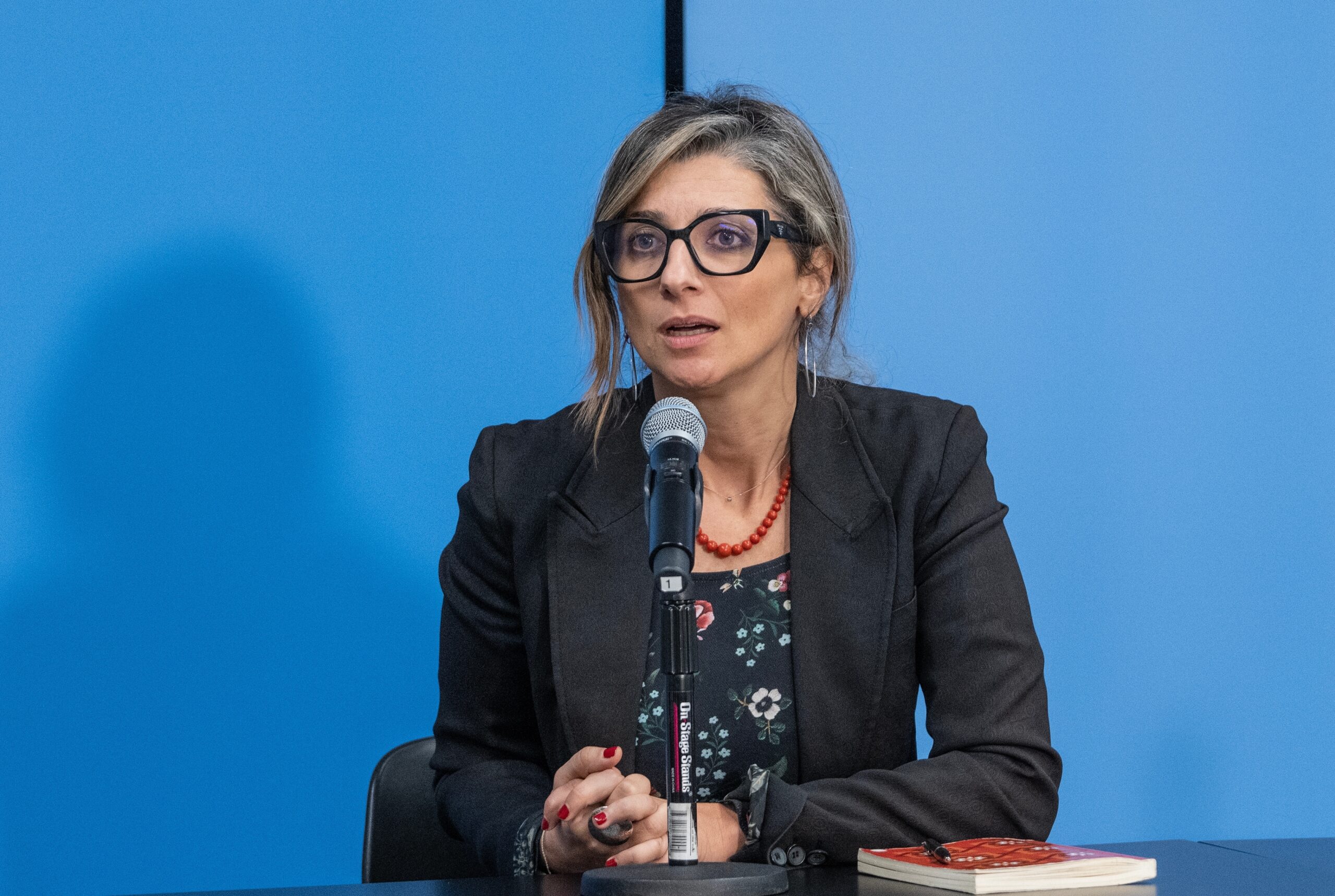
Legal experts suggest that the court’s intervention may hinge on the principle of protecting the freedom of expression and the autonomy of international officials. By blocking these measures, the judiciary has signaled that the use of economic and travel sanctions against individuals performing official UN mandates must undergo rigorous legal scrutiny to ensure they do not serve as tools for political retaliation.
Prior to this ruling, the sanctions had created significant practical hurdles for Albanese. These measures typically include freezing assets within the jurisdiction and prohibiting citizens or entities of the sanctioning country from providing services or goods to the designated individual. For a UN official whose work requires frequent international travel and engagement with global financial institutions, such restrictions pose a direct challenge to the ability to perform their duties effectively.
Political Friction in Europe: The Paris Decision
While the legal battle in the United States has yielded a favorable outcome for Albanese, the political climate in Europe has proven more challenging. The City of Paris, known for its history of using honorary citizenship to signal moral and political stances, has formally rejected the proposal to grant the same distinction to the UN Special Rapporteur.
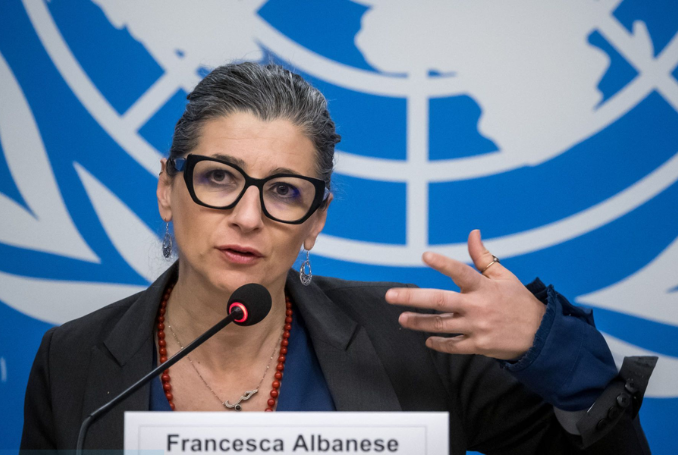
The decision by the Paris City Council reflects a different dimension of the controversy surrounding Albanese’s work. While the U.S. Court focused on the legality of administrative sanctions, the debate in Paris centered on the symbolic weight of honorary citizenship. The rejection suggests that local governments in Europe are navigating a complex path, attempting to balance support for UN human rights mandates with the political sensitivities of their own constituencies.
The refusal to grant honorary citizenship serves as a notable counterweight to the legal victory in Washington. It underscores the reality that even when legal obstacles to the functioning of international officials are removed, their political standing remains subject to the shifting tides of national and municipal politics.
The Significance of the UN Mandate
To understand the weight of these developments, it is essential to recognize the role of the UN Special Rapporteur. These officials are appointed by the UN Human Rights Council to examine and report on specific human rights themes or country-specific situations. Their work is intended to be independent, impartial, and based on rigorous fact-finding missions and international law.
The Special Rapporteur on the Palestinian territories occupies one of the most sensitive and scrutinized positions within the United Nations system. The reports produced by this office often serve as the basis for international legal discussions, including those involving the International Criminal Court (ICC). The official is frequently caught in the crosshairs of intense geopolitical competition between various state actors.
The attempts to sanction or politically marginalize such officials raise fundamental questions about the future of international human rights oversight. If the mandates of UN experts can be effectively neutralized through unilateral sanctions or political boycotts, the ability of the United Nations to provide objective monitoring of global human rights crises may be fundamentally compromised.
Key Takeaways
- US Legal Victory: A federal judge has blocked US sanctions against UN Special Rapporteur Francesca Albanese, citing concerns over legal authority and speech.
- Paris Rejection: The City of Paris has declined to grant honorary citizenship to Albanese, marking a political setback.
- Impact on UN Mandates: The case highlights the growing pressure on UN officials and the challenges they face in maintaining independence.
- Geopolitical Tension: The dual rulings reflect the deep divisions among global powers regarding human rights reporting in contested territories.
As the legal implications of the US court ruling continue to unfold, the international community will be watching closely to see how the United Nations responds to these challenges to its investigative capacity. The intersection of domestic law, municipal politics, and international mandates remains a volatile frontier for global diplomacy.

Next Steps: Observers are awaiting further official statements from the United Nations and the U.S. Department of State regarding the court’s decision and any potential appeals.
What are your thoughts on the intersection of national law and UN mandates? Share your views in the comments below and share this article with your network.
Related reading