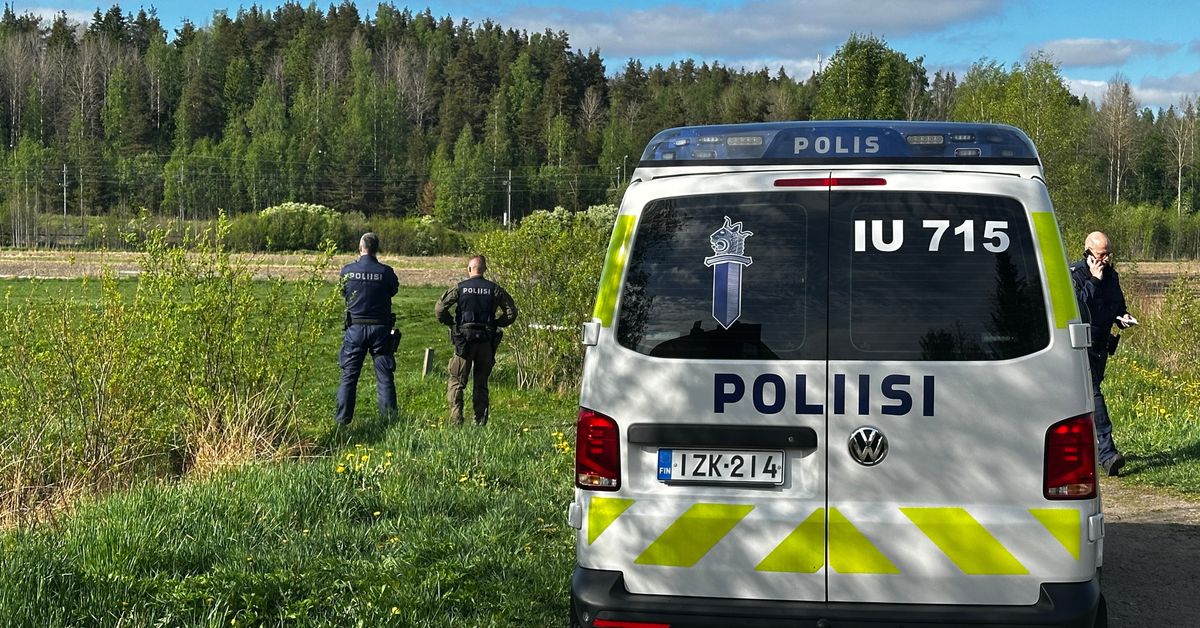
RIHIMÄKI, Finland — Authorities in Finland have escalated their security response in the southern city of Riihimäki following the identification of a recovered object as a Russian-manufactured incendiary bomb. While a portion of the device has been analyzed, the Häme Police (Hämeen poliisilaitos) have confirmed that the primary explosive component remains missing, prompting an intensive, ongoing search operation in the area.
The discovery has sent ripples through the Finnish security community, occurring against a backdrop of heightened geopolitical tensions in the Baltic region. What was initially reported as an unidentified explosive finding has now been specifically categorized by forensic experts as an incendiary device of Russian origin, a development that shifts the investigation from a localized public safety matter to a potential issue of national security and hybrid threat assessment.
As of the latest official updates, the Häme Police continue to deploy specialized units to locate the missing charge. The nature of the device—designed to cause fire and thermal damage rather than purely kinetic blast damage—presents unique challenges for recovery teams, particularly if the component is located in terrain that complicates traditional bomb disposal protocols.
The Investigation: A Search for the Missing Charge
The investigation in Riihimäki has transitioned into a high-stakes recovery mission. According to statements from the Finnish Police, the focus remains on the specific location where the initial components were identified. The fact that the device was characterized as a “palopommi”—an incendiary bomb—suggests a mechanism intended to ignite flammable materials, a tactic often associated with disruption rather than mass structural destruction.
The Häme police have maintained an active presence in the vicinity, utilizing specialized equipment to sweep the area. The primary concern for investigators is the “missing” aspect of the device: the actual explosive or incendiary payload. Without the recovery of this component, the area cannot be fully cleared, and the risk of accidental ignition or secondary incidents remains a critical variable in the police’s tactical planning.
Law enforcement officials have urged residents to remain vigilant and to strictly follow all cordons and instructions issued by the authorities. The search is not merely a matter of finding a lost object but is a forensic operation aimed at determining how the device arrived in the region and whether it was part of a larger, coordinated effort.
Geopolitical Context: Hybrid Threats and Finnish Security
For analysts monitoring the Nordic region, the Riihimäki incident is being viewed through the lens of “hybrid warfare.” In the current security climate, where Finland has solidified its position within NATO, the presence of Russian-origin military hardware on Finnish soil is treated with extreme gravity. Hybrid threats—actions that fall below the threshold of conventional warfare but aim to destabilize a nation—often involve the use of unconventional means to create public anxiety or test emergency response capabilities.
The identification of a Russian incendiary device adds a layer of complexity to Finland’s domestic security posture. Security experts note that such incidents can be intended to:
- Test Response Times: Evaluating how quickly local police and specialized bomb squads can react to a specific type of threat.
- Create Social Friction: Using localized fear to influence public perception of national security and the efficacy of current defense policies.
- Intelligence Gathering: Observing the movement of security forces and the deployment of specialized equipment in specific geographic corridors.
While Finnish intelligence services have not officially linked this discovery to a state-sponsored operation, the technical specificity of the device—an incendiary bomb rather than a common improvised explosive device (IED)—suggests a level of origin that warrants rigorous investigation by national security agencies.
Understanding the Threat: The Incendiary Mechanism
To understand why the missing component is so critical, We see necessary to distinguish between traditional high-explosive bombs and incendiary devices. While a traditional bomb relies on a rapid expansion of gases to create a blast wave, an incendiary device, or palopommi, is designed to produce intense heat and sustained fire.
These devices often utilize chemical compositions such as thermite or specialized fuel-air mixtures. The danger of a “missing” incendiary charge lies in its potential for delayed activation or the difficulty of detecting its chemical signature compared to standard high explosives. If the charge is located in an area with high fuel loads—such as forested areas, industrial zones, or residential structures—the risk of a significant fire event remains a primary concern for the Häme police.
The ongoing search is therefore a race to secure the payload before environmental factors or accidental contact can trigger a thermal event. The technical precision required to handle such materials means that the recovery process is inherently slower than standard search-and-rescue operations.
Key Takeaways for Residents and Observers
- Active Police Operation: The Häme police are actively searching for the missing explosive component in the Riihimäki area.
- Device Type: The object has been confirmed as a Russian-origin incendiary bomb (palopommi).
- Safety Protocol: Residents should avoid cordoned-off areas and follow all official directives from local law enforcement.
- Security Context: The incident is being monitored as part of a broader assessment of hybrid security threats in Finland.
Looking Ahead: Next Official Steps
The immediate priority for the Häme police remains the successful recovery and neutralization of the missing incendiary charge. Once the component is secured, the investigation is expected to shift toward a forensic analysis of the device’s origin and the circumstances surrounding its placement.
The next major checkpoint will be an official update from the Häme Police regarding the conclusion of the search operation or any significant findings during the sweep. Until then, the area remains under heightened surveillance.
For updates on this developing story, please follow official communications from the Finnish Police and local authorities. We encourage readers to share this report to ensure public awareness and safety in the affected regions.
Keep reading