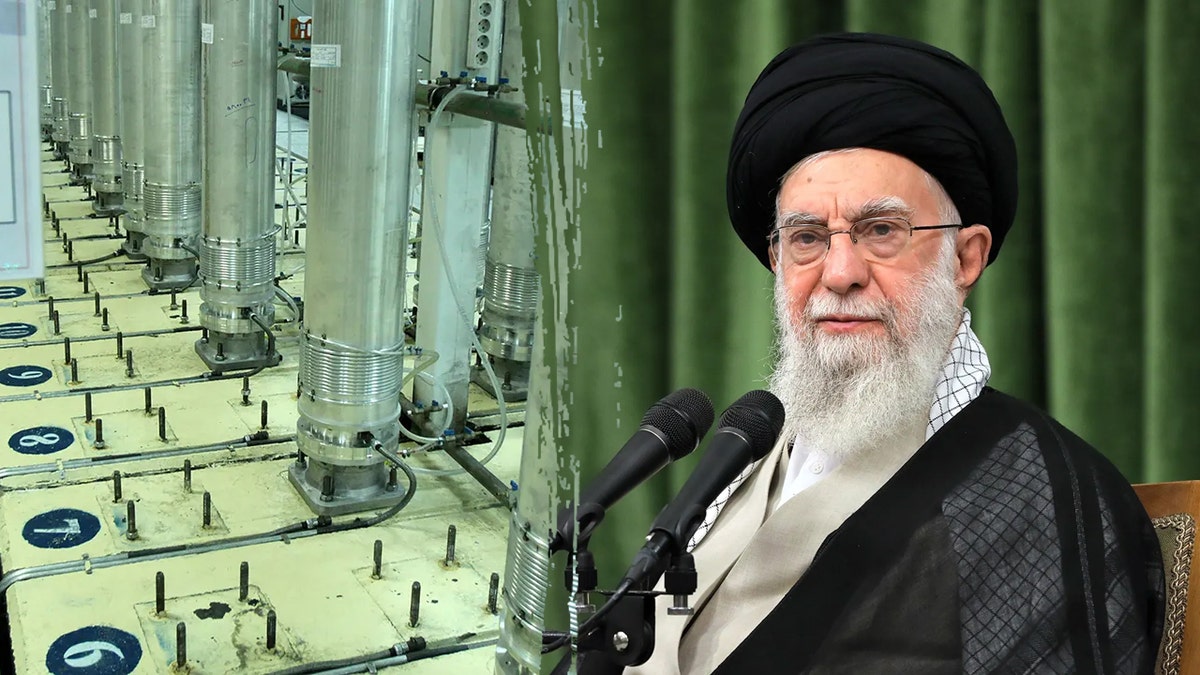
In a significant development concerning regional security and international nuclear non-proliferation efforts, recent reports indicate that Iran’s leadership has issued a directive regarding the country’s nuclear material. Sources familiar with the internal deliberations have stated that Supreme Leader Ayatollah Ali Khamenei has forbidden the removal of near-weapons-grade uranium from Iranian territory, marking a firm stance on the nation’s nuclear capabilities as international diplomatic efforts continue to fluctuate.
This directive arrives as a critical juncture in long-standing negotiations between Tehran and global powers. The question of uranium enrichment and the potential for international oversight remains a centerpiece of the geopolitical landscape. For those following global security, understanding the implications of these internal directives is essential to grasping the current stalemate in nuclear diplomacy. The International Atomic Energy Agency (IAEA) continues to provide regular updates on its monitoring of Iran’s nuclear program, which serves as the primary technical reference for these developments.
The Status of Uranium Enrichment
The core of the current tension lies in the classification and location of Iran’s enriched uranium stockpiles. While various international stakeholders have proposed frameworks for the dilution or transfer of enriched materials in exchange for the lifting of financial sanctions—a position recently reiterated by Iranian officials in diplomatic channels—the Supreme Leader’s reported mandate complicates these pathways. According to previous statements from the Supreme Leader, abandoning enrichment is fundamentally at odds with the country’s national interests, as reported by Reuters.
The distinction between civilian energy production and the enrichment levels required for other applications remains a focal point for international inspectors. The Iranian atomic energy chief has previously suggested that a path toward dilution could be possible if specific economic conditions, namely the lifting of financial sanctions, were met, as noted in reports from February 2026. However, the recent internal directive reportedly issued by the Supreme Leader suggests a hardening of domestic policy that directly impacts the viability of such proposals.
Geopolitical and Economic Impact
The uncertainty surrounding Iran’s nuclear policy often manifests in global markets, particularly within the energy sector. Investors and analysts frequently monitor statements from Tehran for indicators of potential shifts in oil supply or regional stability. When reports emerge suggesting that a diplomatic breakthrough is unlikely, market volatility often ensues, as traders re-evaluate the risk profile of Middle Eastern energy exports.
Beyond the markets, the diplomatic community remains focused on the United Nations Security Council and the ongoing dialogue regarding the Joint Comprehensive Plan of Action (JCPOA) framework. The tension between internal mandates in Iran and the requirements set forth by international non-proliferation treaties creates a persistent friction point. Analysts suggest that until there is a alignment between Tehran’s domestic requirements and the international community’s verification standards, the current state of “managed tension” is likely to continue.
Key Takeaways
- The Supreme Leader of Iran has reportedly issued a directive prohibiting the export of near-weapons-grade uranium from the country.
- This policy stance aligns with previous public assertions that halting enrichment is contrary to Iran’s national interests.
- Diplomatic proposals involving the dilution of stockpiles in exchange for sanctions relief remain stalled as domestic directives prioritize the retention of nuclear material.
- International monitoring by the IAEA remains the standard for assessing Iran’s compliance with non-proliferation standards.
What Happens Next
The international community will be watching for the next official IAEA board of governors meeting, where the status of Iran’s nuclear program is expected to be reviewed. These meetings serve as the primary venue for member states to address concerns regarding transparency and compliance. For readers seeking the most accurate and up-to-date technical information, the IAEA official portal provides the most reliable source for reports and press releases concerning nuclear verification efforts.
As this story develops, we encourage our readers to participate in the conversation. What are the potential long-term impacts of this policy on regional stability? Share your thoughts in the comments section below, and stay tuned to World Today Journal for further updates as we continue to track this critical global issue.
Worth a look