
In the digital age, travel documentation has evolved into a highly personal, real-time narrative. For many creators, the act of capturing a journey—whether it is a walk across a city bridge or a stop at a major urban landmark—serves as a way to connect with a global audience. The recent social media activity surrounding Chicago’s urban landscape, such as content featuring the Chicago River and the iconic Cloud Gate sculpture, highlights how travelers navigate and share their experiences in major metropolitan hubs.
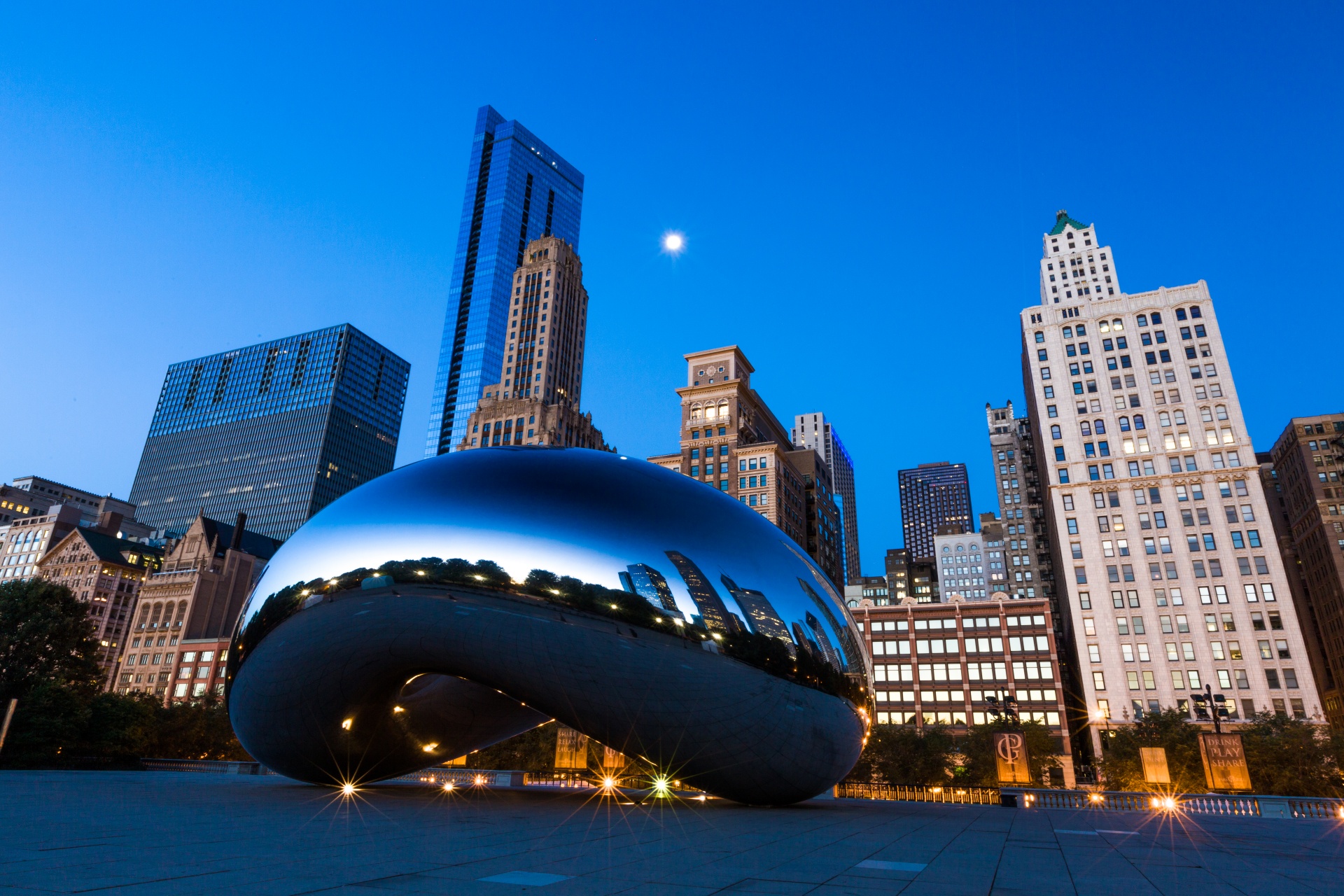
When exploring a city like Chicago, visitors often prioritize well-known landmarks that define the urban character. The Chicago Riverwalk, a public space spanning approximately 1.25 miles along the south bank of the Chicago River, remains a primary destination for those looking to experience the intersection of architecture and nature in an urban environment. According to the City of Chicago’s official guide to Millennium Park, the area is home to the sculpture colloquially known as “The Bean,” officially titled Cloud Gate, which serves as a frequent backdrop for visitor photography and social media documentation.
The Role of Urban Exploration in Modern Travel
Travel vlogging and social media documentation have transformed the way individuals engage with city infrastructure. By walking through dense urban corridors, creators offer their audiences a “first-person” perspective of a city’s scale, architecture, and atmosphere. This practice is supported by broader trends in wellness and urban navigation; consistent walking, whether for leisure or exploration, is widely recognized by health organizations for its potential to improve physical and mental well-being, as noted by resources such as the Mayo Clinic’s guide to physical activity.
For many, the appeal of Chicago lies in its walkability and the accessibility of its downtown core. The Chicago River, which flows through the heart of the city, provides a natural pathway that connects various districts, allowing pedestrians to traverse significant distances while remaining in the center of the metropolitan activity. The integration of such walking tours into social media content underscores a desire for authentic, unscripted travel experiences that prioritize movement and engagement with the built environment.
Navigating Chicago’s Iconic Landmarks
The documentation of landmarks like the Chicago River and the various bridges spanning it often captures the city’s unique engineering history. Chicago is frequently noted for its numerous movable bridges, which are managed by the Chicago Department of Transportation (CDOT). These structures are not merely transit points; they are focal points for the city’s identity, often serving as the setting for the “essential photo” that many tourists seek out during their visits.
Beyond the architectural aesthetic, these areas serve as hubs for public interaction. The proximity of the river to the downtown theater district and public parks creates a concentrated zone of activity. Visitors who choose to document these areas contribute to a shared digital archive of the city, one that emphasizes the vibrancy of urban life. Whether through short-form video or long-form vlogs, this digital storytelling provides a modern map of Chicago’s most accessible and visually striking locations.
What Travelers Should Know Before Visiting
For those planning a trip to Chicago to experience these landmarks firsthand, preparation is key. The city’s geography is best navigated by understanding the grid system and the various public transit options available. The Chicago Transit Authority (CTA) provides extensive resources for visitors looking to utilize trains and buses to move between major attractions efficiently.
- Plan your route: Use official city maps to identify walking paths along the Chicago Riverwalk.
- Check seasonal conditions: Chicago’s weather can vary significantly; checking local forecasts is essential for outdoor activities.
- Respect public spaces: As these areas are heavily trafficked, maintaining awareness of pedestrians and local regulations ensures a smooth experience for everyone.
As travel trends continue to prioritize immersive, walkable experiences, cities like Chicago will likely remain at the forefront of digital travel content. The intersection of personal narrative and urban exploration offers a unique look at how we experience the world, one step at a time. Future updates regarding public events, park maintenance, or new infrastructure projects in the downtown area can be monitored through the official City of Chicago website.
We welcome your thoughts on urban exploration and the impact of digital storytelling on modern travel. Please share your own experiences or questions in the comments section below.
Keep reading