
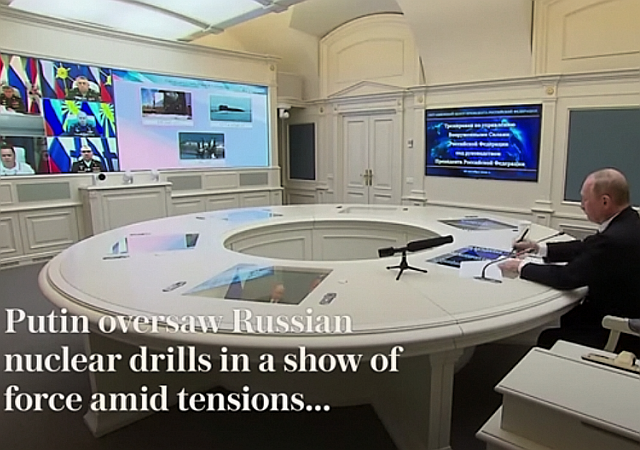
Russian President Vladimir Putin has emphasized the necessity of bolstering the combat readiness of the nation’s nuclear forces following a series of military exercises conducted alongside Belarus. The drills, which commenced on Tuesday, involved the testing of various atomic weapon delivery systems, marking a continuation of Moscow’s focus on its strategic and tactical nuclear capabilities amid the ongoing conflict in Ukraine.
Speaking on Thursday at the conclusion of these maneuvers, the Russian leader underscored that maintaining a high state of readiness for both strategic and tactical nuclear forces remains a critical priority for the Kremlin. These exercises, which have been monitored by international observers, serve as a periodic demonstration of Russia’s nuclear deterrent posture. According to reporting by Reuters, the Kremlin has frequently utilized such drills as a signaling mechanism regarding its nuclear arsenal since the invasion of Ukraine began in February 2022.
Strategic Context of Nuclear Exercises
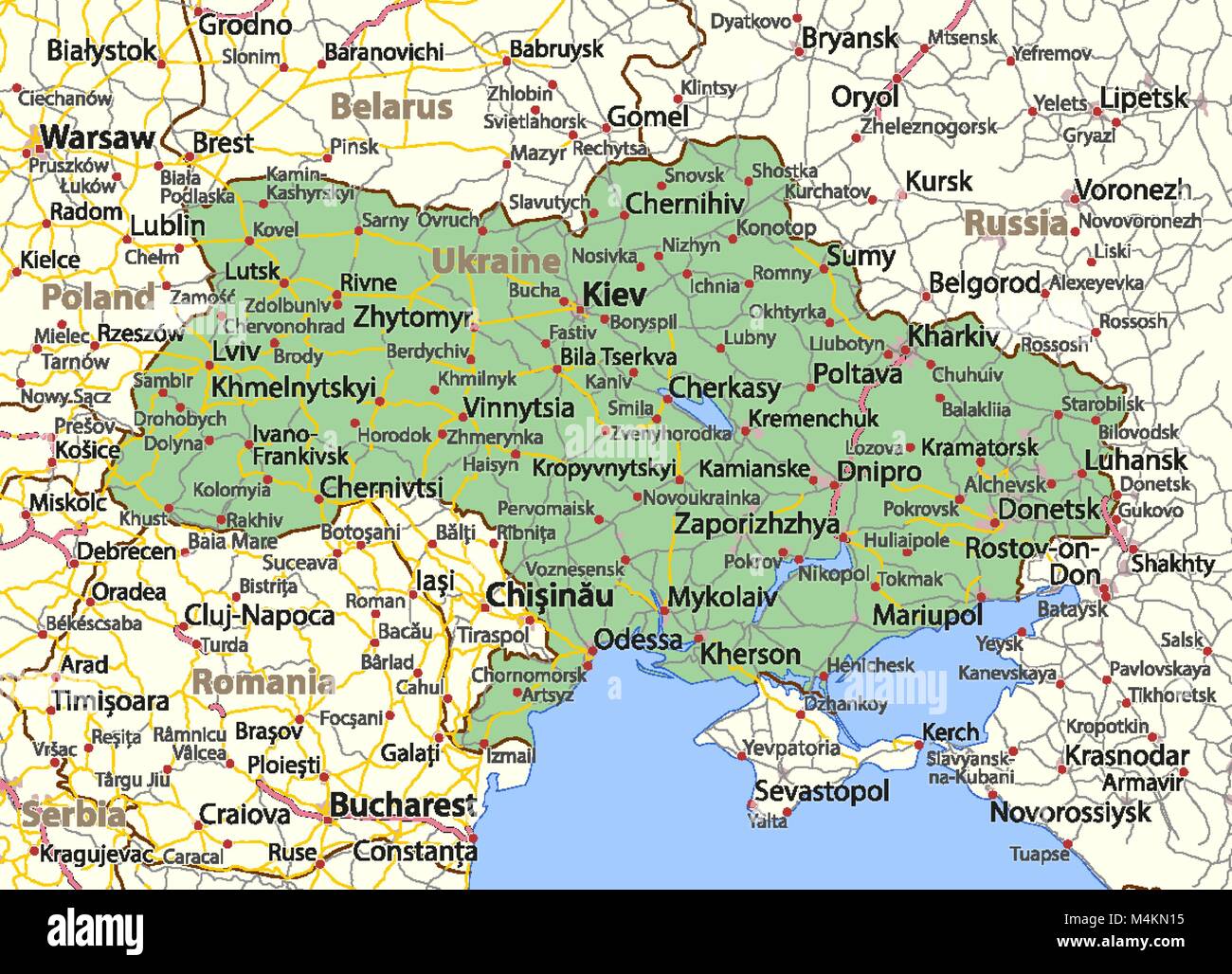
The integration of Belarusian forces into these training exercises reflects the deepening military cooperation between Moscow and Minsk. This partnership has been a focal point of geopolitical analysis since the early stages of the war in Ukraine, with the deployment of Russian tactical nuclear weapons to Belarusian territory serving as a significant development in regional security dynamics. As noted by the International Institute for Strategic Studies, these movements are designed to complicate the threat perceptions of NATO member states bordering the region.
The exercises specifically focused on the operational readiness of units responsible for the deployment of non-strategic nuclear weapons. By involving both strategic and tactical components, the Russian Ministry of Defense aims to ensure that its command-and-control structures remain synchronized across disparate geographic theaters. This emphasis on “combat readiness” is a recurring theme in official Russian rhetoric, intended to reinforce the credibility of the country’s nuclear deterrent against what Moscow describes as Western encroachment.
Regional Security and Global Implications
The intersection of nuclear posturing and conventional warfare has created a tense environment for neighboring European nations. The Baltic states and Poland, in particular, have expressed ongoing concerns regarding the proximity of these nuclear-capable assets. According to statements from NATO officials, the alliance remains vigilant, maintaining that such exercises are part of a broader pattern of “nuclear saber-rattling” that undermines regional stability.
While Moscow characterizes these drills as defensive measures, the international community continues to monitor the situation for any deviations from standard training protocols. The use of tactical nuclear weapons—those designed for battlefield use rather than strategic city-level destruction—remains a subject of intense scrutiny by nuclear non-proliferation experts. Organizations such as the Arms Control Association have consistently argued that the lowering of the threshold for nuclear discourse increases the risk of miscalculation between major nuclear powers.
Looking Ahead: Monitoring Developments
As the conflict in Ukraine persists, the role of nuclear rhetoric in the broader diplomatic and military strategy of the Kremlin is expected to remain prominent. International observers will continue to look for indicators of further shifts in deployment or policy. The next significant checkpoint for global security remains the ongoing dialogue regarding arms control treaties and the continued monitoring of military movements along the eastern flank of NATO.
For those tracking these developments, official updates from the Russian Ministry of Defense and statements from the North Atlantic Council provide the most direct information on the status of these strategic exercises. We invite our readers to share their analysis and monitor our ongoing coverage for further updates on this developing situation.