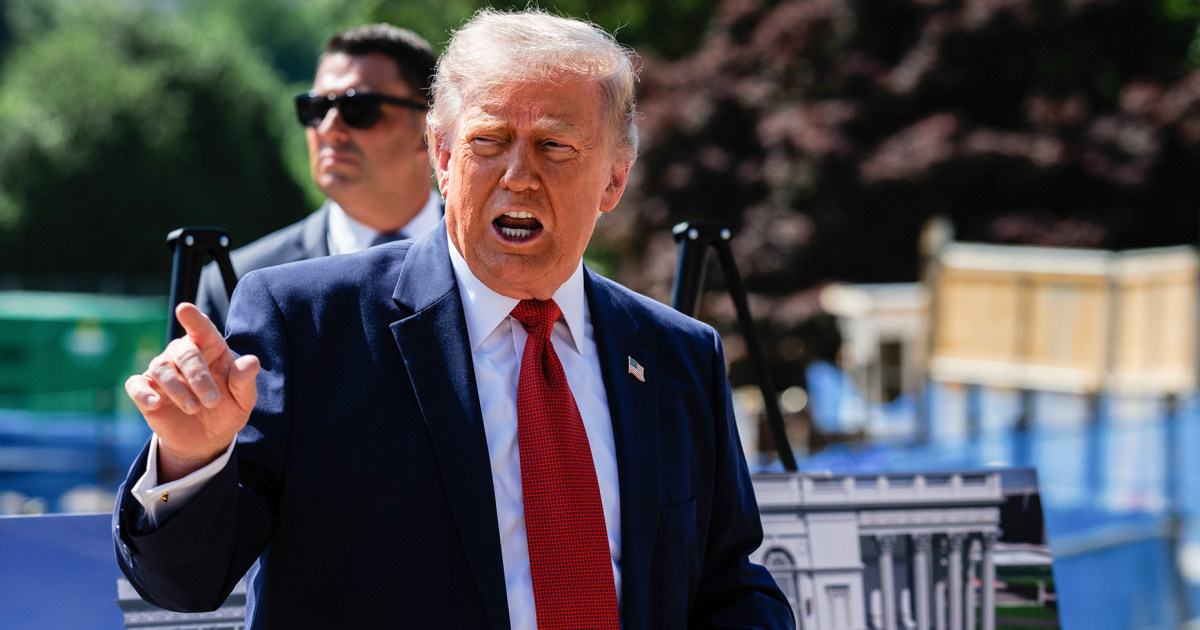
As the 119th United States Congress navigates a complex legislative calendar, fiscal negotiations have hit a significant roadblock. Senate Republicans have moved to postpone critical votes regarding the funding of U.S. Immigration and Customs Enforcement (ICE) and the Border Patrol, a decision that underscores deep-seated disagreements over federal spending priorities. The delay, which pushes these budgetary considerations into June, centers on intense internal debate surrounding a proposed “anti-weaponization” fund linked to the current administration.
For those of us tracking the intersection of economic policy and governance, these developments are a reminder of how quickly fiscal priorities can shift when political friction reaches a boiling point. The Senate, which currently operates with a Republican majority, is tasked with balancing the demands of executive branch initiatives against the broader requirements of federal operations. As we look at the Senate Daily Digest, the legislative agenda remains fluid, with floor proceedings and scheduled committee hearings serving as the primary indicators of congressional progress.
The role of the Senate in exercising oversight and confirming appointments remains a foundational element of the federal government. With the current session having commenced on January 3, 2025, the body continues to act as a check on executive power, a responsibility that is currently being tested by the controversy surrounding the proposed funding structures. Understanding the mechanics of these debates requires a look at how the Senate functions, as outlined in the U.S. Constitution.
The Fiscal Landscape and Legislative Hurdles
The postponement of votes is not merely a procedural delay; it is a manifestation of the ongoing tension between the legislative and executive branches. The “anti-weaponization” fund, a key point of contention, has become a lightning rod for debate, forcing leadership to recalibrate their approach to the broader appropriations process. When specific funding measures for agencies like ICE and the Border Patrol are tied to contentious policy provisions, the risk of legislative gridlock increases significantly.
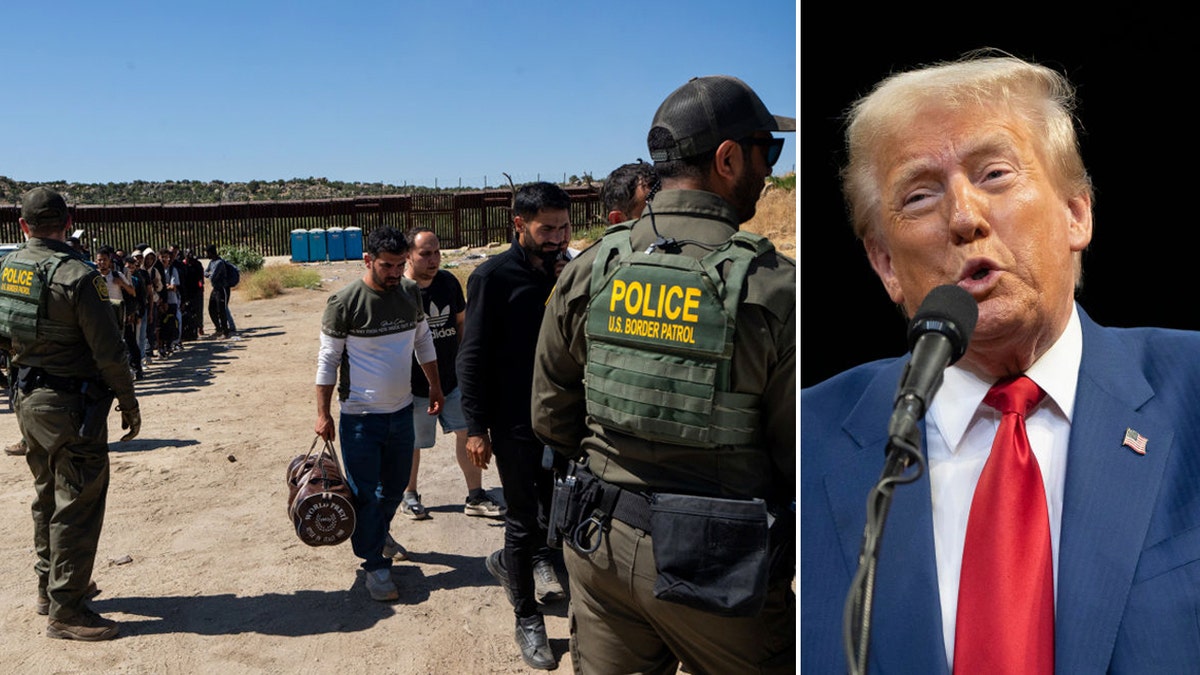
In the current political climate, the Senate majority must navigate a narrow margin, with 53 Republican seats compared to 47 seats held by Democrats and Independents, according to the official Senate membership records. This balance of power means that even minor internal dissent can stall major appropriations bills. The legislative process, which requires consensus building, often slows when the administration’s priorities—such as the creation of specialized funds—clash with the preferences of the rank-and-file membership.
Understanding the Role of Federal Oversight
The Senate’s power to confirm presidential appointments and approve or reject treaties is a critical component of its constitutional mandate. When these powers are exercised in the context of funding disputes, the impact is felt across multiple federal agencies. The current debate highlights the tension between providing the necessary resources for border security—a consistent priority for the current administration—and ensuring that such funding is not linked to controversial or opaque policy mechanisms.
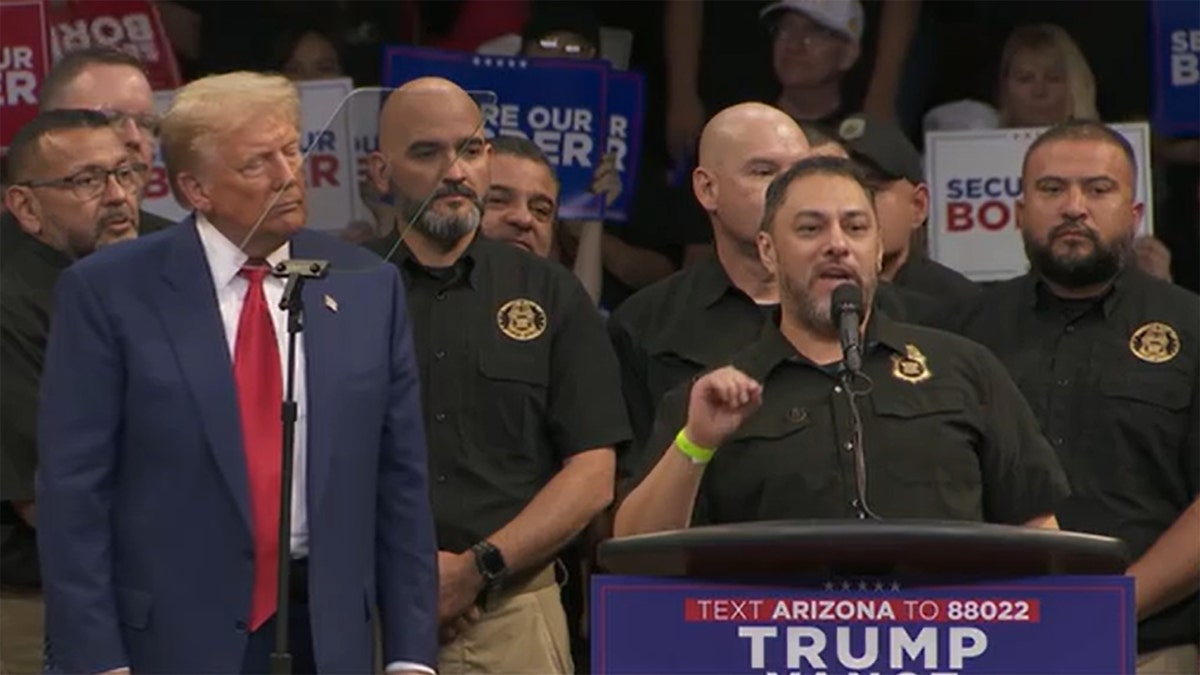
For observers of the global markets and economic policy, these congressional maneuvers are significant. Fiscal uncertainty in the United States often has ripple effects on investor sentiment and international policy expectations. As Chief Editor of the Business section here at World Today Journal, I have often noted that the stability of the U.S. Federal budget is a cornerstone of global economic predictability. When that stability is challenged, it warrants close attention from both domestic and international stakeholders.
We continue to monitor the Senate roll call votes and the floor schedule to determine when these delayed measures might return to the legislative calendar. While the postponement provides a temporary reprieve from the immediate pressure of a vote, it also extends the period of uncertainty for the agencies involved.
Looking Ahead: The Path to June
As the Senate heads toward the end of May, the focus will shift to committee-level negotiations. The Appropriations Committee, which holds jurisdiction over federal spending, will be the primary venue for resolving the impasse. With hearings scheduled throughout the week, including those for the Committee on Appropriations, the path to a consensus will likely involve intense behind-the-scenes discussions.
For our readers, keeping an eye on the official Senate committee calendar is the best way to track when these issues will be formally addressed again. It is essential to distinguish between official legislative actions and the broader political commentary that often surrounds these events. We remain committed to providing accurate, verified reporting on these developments as they unfold.
The postponement of these votes serves as a stark reminder that in the realm of federal governance, policy and finance are inextricably linked. As we navigate the remainder of the 119th Congress, we invite our readers to stay engaged. We welcome your thoughts on how these legislative delays might impact the broader economic landscape. Please feel free to share this report and join the conversation in the comments section below.
- Spain Defends Schengen After Italy Border Closures Amid Migrant Crisis
- Best Used Motorcycles to Buy in 2026: Durable, Fuel-Efficient, and Value-Stable Models
- BP Q2 Profit Hits $5.7 Billion Amid Trump Criticism of Big Oil Windfalls (time.news)
- Trump Administration Begins Systematic Appropriation of Japanese Manga (newsdirectory3.com)