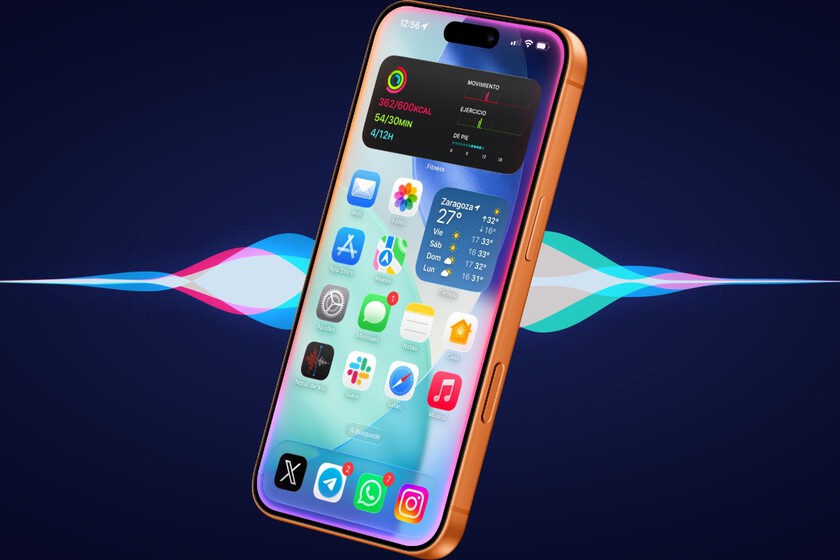
As Apple continues to refine its software ecosystem, the latest developments surrounding future iterations of its mobile operating system have sparked significant industry discussion regarding the trajectory of artificial intelligence. At the heart of this conversation is the potential for AI-driven automation to fundamentally change how users interact with their devices, moving beyond simple task assistance toward more autonomous, system-level control.
For those of us tracking the evolution of mobile computing, the recent focus on advanced accessibility features and system-wide intelligence suggests a strategic shift. Apple, which maintains its primary operations at its headquarters in Cupertino, California, has increasingly integrated sophisticated software services to enhance the functionality of its consumer electronics lineup, including the iPhone, iPad, and Mac.
The Evolution of System Intelligence
The integration of artificial intelligence into mobile operating systems is no longer merely a trend; it is becoming a core pillar of product differentiation. According to official company disclosures, the expansion of Apple Intelligence is designed to provide deeper, more context-aware assistance across various applications. This approach aims to assist users with complex workflows, potentially reducing the friction associated with navigating multiple menus or performing repetitive tasks.
While specific details regarding future software versions remain subject to official release schedules, the current industry focus is on how machine learning can provide more proactive support. By leveraging on-device processing, Apple aims to maintain its long-standing commitment to user privacy while expanding the capabilities of its software tools. This balance between high-level utility and data security remains a defining characteristic of the company’s software philosophy.
Enhancing Accessibility and User Agency
A significant portion of the current discourse involves the role of AI in improving accessibility. Apple has consistently prioritized features that allow users with diverse needs to interact with their devices more effectively. The potential for AI to provide real-time, automated assistance—such as generating subtitles for personal media or streamlining system adjustments—represents a meaningful step forward in inclusive technology design.
These developments are part of a broader effort to make technology more intuitive. By enabling a device to better understand the user’s intent, the system can offer shortcuts and suggestions that adapt to individual habits. This evolution is supported by the company’s robust hardware-software integration, which ensures that complex AI tasks can be performed efficiently without compromising the user experience or device performance.
What Lies Ahead for the Ecosystem
As we look toward the upcoming Apple Worldwide Developers Conference, which is scheduled to take place from June 8–12, 2026, the tech community is closely watching for further announcements regarding the roadmap for iOS and other platform updates. These events serve as the primary venue for Apple to outline its vision for the future of its software services, including new capabilities for developers and end-users alike.

The industry is also adjusting to leadership changes within the organization. As noted in recent public filings, John Ternus is set to transition into the role of CEO starting in September 2026, following a period of sustained growth for the company, which reported a net income of US$112 billion for the fiscal year ended September 27, 2025.
Key Takeaways for Users
- Focus on Integration: The shift toward deeper AI integration aims to make the iPhone more autonomous and responsive to user needs.
- Accessibility First: Future updates are expected to lean heavily into AI-driven accessibility tools, improving usability for a broader range of people.
- Privacy-Centric AI: Apple continues to emphasize on-device processing as a means to deliver advanced features while maintaining its core privacy standards.
- Upcoming Milestones: The community is focused on the June 8–12 developer conference as the next major checkpoint for official software disclosures.
The transition toward more autonomous, AI-driven mobile interfaces is clearly underway. Whether these features will eventually allow for full system control remains a subject of ongoing development and testing. For users, the promise is a more seamless, personalized experience that anticipates needs before they are explicitly requested. As always, we will continue to monitor official communications and upcoming developer events to provide the most accurate analysis of these technological shifts.
What are your thoughts on the increasing role of AI in your daily mobile experience? Share your perspective in the comments below, and stay tuned to World Today Journal for further updates as we approach the June developer conference.
Related reading