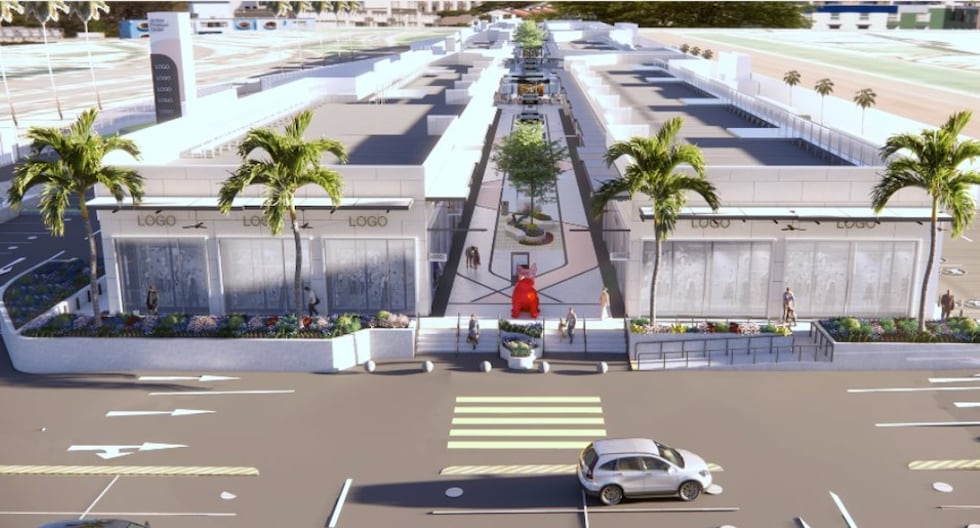
As the retail landscape in Peru undergoes a significant transformation, developers are shifting focus toward high-traffic urban centers and specialized luxury formats. Recent market data indicates that a series of new commercial projects, including shopping malls and boutique strip centers, are scheduled to open throughout the remainder of the year. With a combined investment exceeding S/ 240 million, these developments represent a strategic effort by retailers to capture consumer demand in key districts across the country.
This expansion, which spans both large-scale shopping malls and niche commercial hubs, reflects a broader trend of urbanization and the increasing importance of proximity-based shopping experiences for local consumers. As Business Editor at the World Today Journal, I have spent nearly two decades analyzing such shifts in emerging markets; these projects signal a resilient appetite for physical retail despite the ongoing digital evolution of the commerce sector.
Strategic Growth in Key Urban Markets
The upcoming retail projects are concentrated in districts that have demonstrated robust population growth and increasing purchasing power. By focusing on high-density areas, developers aim to reduce transit times for shoppers while maximizing the visibility of international and local brands. These investments are not merely about square footage; they represent a targeted approach to the “last mile” of retail, where the convenience of a nearby center or specialized strip mall is prioritized to drive repeat customer traffic.
One notable project, the “El Bosque” strip center, highlights the industry’s pivot toward luxury and curated retail experiences in affluent neighborhoods such as San Isidro. By integrating premium brands into a more intimate, accessible environment, developers are catering to a demographic that values exclusivity and convenience over the traditional, expansive mall model. This micro-mall strategy is being replicated in various forms, including the development of new commercial hubs designed to serve as community anchors.
Investment and Economic Impact
The total capital injection of over S/ 240 million reflects a significant confidence in the Peruvian retail market for the current fiscal year. These funds are being deployed not only for construction but also for the infrastructure upgrades required to support high-traffic retail environments, such as parking facilities, pedestrian access points, and modern utility integration. The scale of this investment is a critical barometer for the health of the commercial real estate sector, suggesting that stakeholders are looking beyond short-term economic fluctuations to long-term asset appreciation.
For investors and business analysts, the timing of these openings—largely slated for the second half of the year—is particularly telling. By targeting the year-end holiday season, retailers are positioning themselves to capitalize on the traditional spike in consumer spending, which typically serves as a major revenue driver for the retail sector in Peru. The diversification of these projects, ranging from luxury strip centers to larger commercial hubs, suggests a sophisticated approach to market segmentation that acknowledges different consumer behaviors across various districts.
What Lies Ahead for Retail Developers
As these projects move toward their respective launch dates, the focus will shift from construction to tenant acquisition and operational efficiency. The success of these centers will depend on their ability to curate a mix of retailers that resonate with local demographics. For the residents of these districts, the openings promise greater access to goods and services, while for the broader economy, they signify a vote of confidence in the vitality of urban commerce.
We will continue to monitor the progress of these developments as they move toward completion. Future updates will focus on the occupancy rates of these new centers and the impact they have on local employment and retail competition. We invite our readers to share their thoughts on the evolution of retail in their local districts in the comments section below.
For further information on economic developments and market reports in the region, keep an eye on our dedicated Business section for updates as they become available.
Related reading