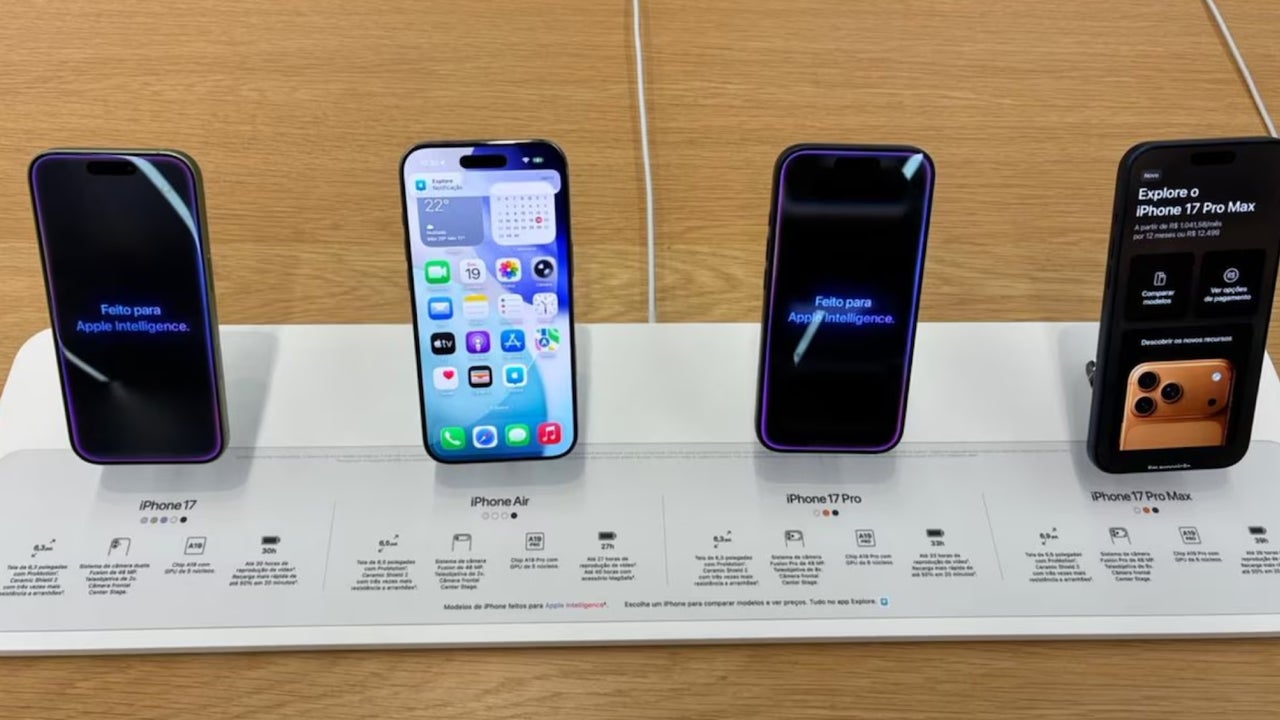
Apple’s latest flagship lineup, the iPhone 17, has solidified its position at the top of the global smartphone market, maintaining strong momentum as we move through the first half of 2026. Data released by analytics firm Counterpoint Research confirms that the iPhone 17, along with the 17 Pro and 17 Pro Max models, occupied the three top spots for global sales during the first quarter of 2026. This dominance underscores the sustained consumer demand for Apple’s premium hardware, even as the broader mobile industry faces ongoing supply chain pressures and fluctuating component costs.
For tech enthusiasts and industry analysts alike, these figures provide a clear picture of shifting consumer behaviors. While high-end devices continue to drive revenue, there is a parallel, robust market for entry-level and mid-range handsets, particularly in emerging economies. The latest Counterpoint Research findings highlight that the base model iPhone 17 alone accounted for 6% of global sales, illustrating the brand’s ability to maintain a significant market share despite increasing competition from Android manufacturers.
Market Dynamics and Global Sales Performance
The global smartphone landscape remains a complex interplay between premium innovation and accessibility. While Apple’s iPhone 17 series led the rankings, the top 10 list also revealed that five Samsung Galaxy A series devices secured spots, signaling that budget-conscious consumers remain a critical demographic for major manufacturers. The Samsung Galaxy A07 4G and the Galaxy A17 5G notably claimed fourth and fifth place respectively, proving that lower-priced hardware remains a staple for many users globally.
Regional performance metrics suggest that Samsung’s strategy of providing extended software and security updates—often spanning up to six years—has been a key driver in regions such as Africa, the Middle East, and Latin America. This commitment to longevity appears to be influencing purchasing decisions, as users seek devices that offer reliable performance over a longer lifecycle. The report from Counterpoint Research also noted that the $1,300 Galaxy S26 Ultra narrowly missed the top 10 list, though This proves currently outperforming its predecessor, the S25 Ultra, in total units sold.
The Impact of Rising Component Costs
A significant factor currently shaping the mobile industry is the rising cost of essential components, particularly memory (RAM). This trend has led to price increases across several manufacturers, including Samsung and Motorola. As supply chain constraints continue to fluctuate, the industry is seeing a delicate balance between passing these costs to the consumer and maintaining competitive price points to capture volume.
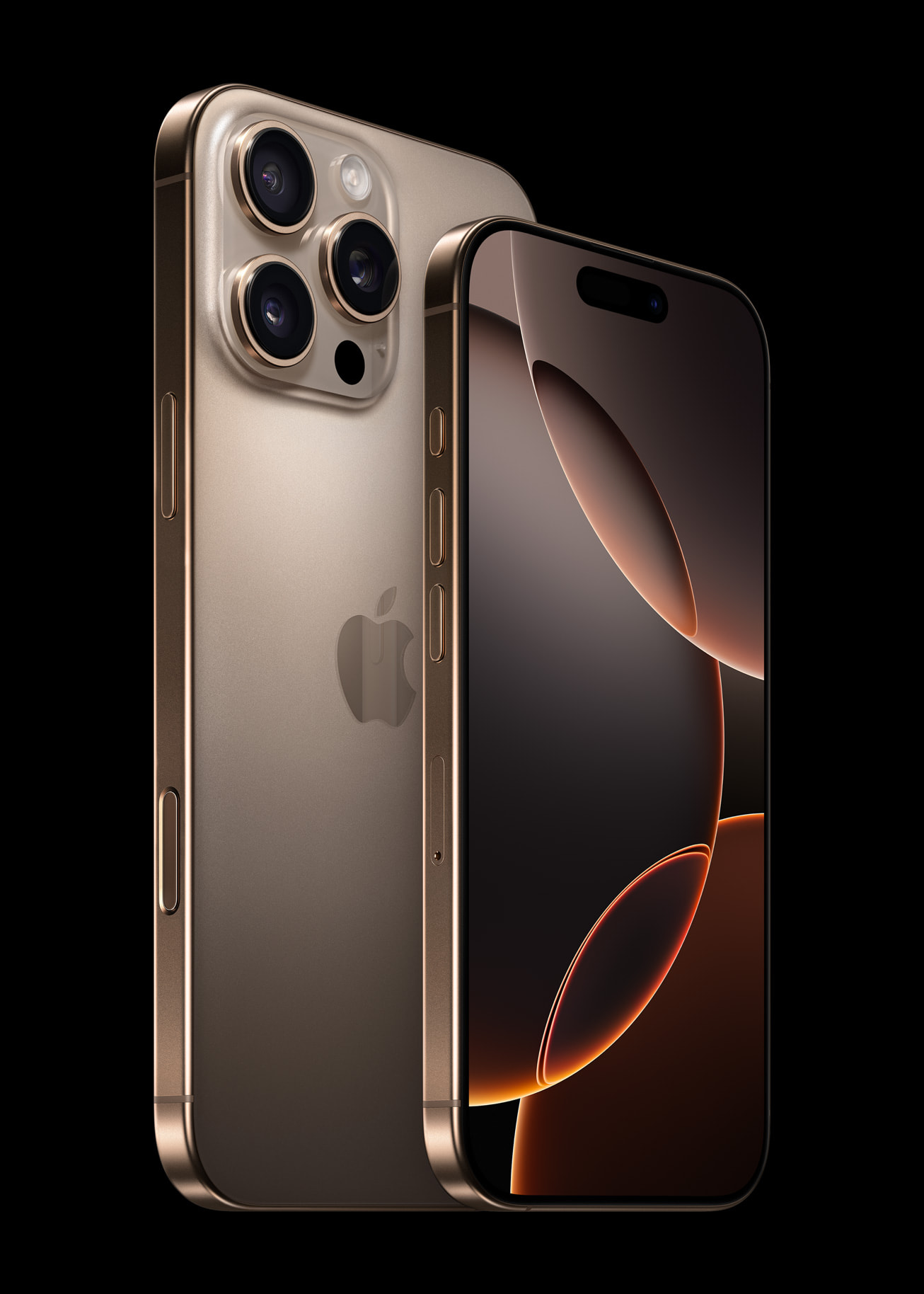
Apple’s ability to navigate these pressures while maintaining its sales volume in the first quarter of 2026 highlights the brand’s unique market position. However, the broader industry remains under pressure. Analysts point out that the higher cost of components is forcing many Android manufacturers to reconsider their pricing strategies, which could lead to further shifts in market share as the year progresses. Consumers looking for the latest hardware are encouraged to monitor manufacturer trade-in programs and official updates, as these often provide the most reliable path to upgrading devices amidst current market volatility.
Key Takeaways from Q1 2026
- Apple’s Continued Leadership: The iPhone 17, 17 Pro, and 17 Pro Max models were the three best-selling smartphones globally in the first quarter of 2026.
- Budget Segment Strength: Devices like the Samsung Galaxy A07 and A17 continue to dominate the mid-range and entry-level segments, particularly in Latin America, the Middle East, and Africa.
- Component Pressures: Ongoing RAM shortages are impacting production costs across the industry, leading to price adjustments for several major smartphone brands.
- Software Longevity: Extended software and security support remains a key differentiator for manufacturers looking to maintain sales in competitive, price-sensitive regions.
Looking Ahead: What to Expect in Mobile Tech
As we move past the first quarter of 2026, the industry is keeping a close watch on how manufacturers adapt to these ongoing economic conditions. With new iterations of mid-range devices, such as the Galaxy A57 and A37, already being introduced to replace older models, the competitive landscape is expected to remain fluid. For those interested in the latest developments, keeping an eye on official manufacturer announcements and verified industry analytics will be essential to understanding the trajectory of the smartphone market for the remainder of the year.
Are you considering an upgrade this year, or are you holding onto your current device longer? The shift toward longer device lifecycles is a fascinating trend to watch. Join the conversation in the comments section below and share your thoughts on whether software support or hardware specs matter more to you when choosing your next smartphone.
Related reading