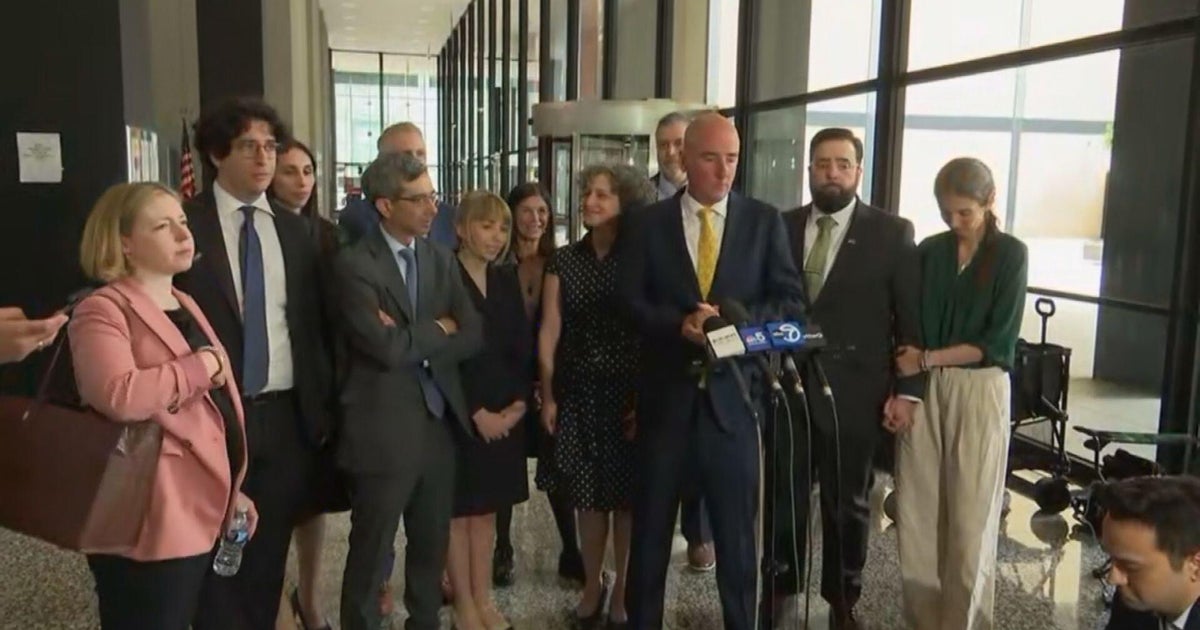
In a significant turn of events for the federal justice system in Chicago, all misdemeanor charges against the remaining four members of the “Broadview Six” have been dismissed. The decision, handed down in the courtroom of U.S. District Judge April Perry on Thursday, May 21, 2026, marks the end of a high-profile legal battle that emerged from protests at a federal immigration facility.
The case, which had become a flashpoint for debates over prosecutorial conduct, centered on demonstrations that occurred outside of the Broadview ICE facility. The defendants—a group that included progressive political figures—had been indicted by a grand jury following what federal officials previously characterized as a surge in enforcement activity under the Operation Midway Blitz initiative. However, the integrity of that indictment was ultimately called into question by the defense, leading to the abrupt conclusion of the proceedings.
Allegations of Prosecutorial Misconduct
The dismissal of the charges follows intense scrutiny regarding the grand jury process. Defense attorneys for the protesters argued that the U.S. Attorney’s office engaged in a “cover-up” involving redacted transcripts of grand jury testimony. These redactions, according to the defense, were not merely procedural but served to obscure information that could have altered the grand jury’s decision to indict the protesters in the first place.
During a closed-door hearing, the defense team, including Joshua Herman and Christopher Parente, presented arguments suggesting that the manipulation of these records tainted the entirety of the federal case. “It’s a cover-up of what was happening, and it is a cover-up that continued today,” Herman told members of the press following the judge’s decision. Parente added that the conduct was “terrible” for any legal professional, particularly those representing the Department of Justice.
The U.S. Attorney’s Office for the Northern District of Illinois, led by U.S. Attorney Andrew Boutros, ultimately moved to dismiss the remaining charges after the issues surrounding the grand jury transcripts were brought to light. The reversal has drawn attention from legal experts who suggest that such errors have serious implications for public trust in the federal judiciary.
The Impact on the Federal Justice System
The “Broadview Six” case was one of the earliest high-profile matters to arise from the Operation Midway Blitz federal surge. The dismissal of these charges serves as a stark reminder of the importance of transparency in grand jury proceedings, which are typically conducted in secret. When evidence is withheld or transcripts are improperly redacted, the check-and-balance mechanism intended to prevent unjust prosecutions can be compromised.
Legal analysts following the trial have noted that the U.S. Attorney’s decision to drop the case suggests an acknowledgment that the integrity of the prosecution could no longer be maintained in light of the defense’s findings. For the defendants, the dismissal brings a definitive end to a prolonged period of legal uncertainty that began with their initial arrest and subsequent indictment.
Key Developments and What Follows
As the legal community in Chicago processes the outcome of this case, the focus now turns to whether there will be any further investigation into the conduct of the prosecutors involved. The dismissal of the misdemeanor charges effectively closes the file on the “Broadview Six” in federal court, but the questions raised by the defense regarding the handling of grand jury evidence are likely to persist in legal discourse.
At this time, there are no further hearings scheduled for the defendants in this matter, as all charges have been vacated. The U.S. District Court for the Northern District of Illinois maintains public dockets where official records regarding the case proceedings are available for review. The conclusion of this trial marks a notable chapter in the intersection of civil protest and federal enforcement policies in the region.
This development underscores the necessity for rigorous oversight within the Department of Justice. As more information regarding the specific nature of the grand jury redactions may become available through future public filings, observers will be watching to see if this case leads to broader reforms in how federal prosecutors manage evidence and transparency in politically sensitive cases.
If you have thoughts on the implications of this case for the federal justice system, please share your perspective in the comments section below. Stay tuned to World Today Journal for further updates on legal developments in the Northern District of Illinois.
Related reading
- Man Arrested in Connection With Old Trails Fire in Spokane County
- Florida Senate Candidate: “People Must Control Their Government” Regarding Fiscal Board
- DC US Attorney Jeanine Pirro’s Office Drops More Vandalism Charges (news-usa.today)
- Alan Jones Faces 22 Indecent Assault Charges in Sydney Court Trial (archyworldys.com)