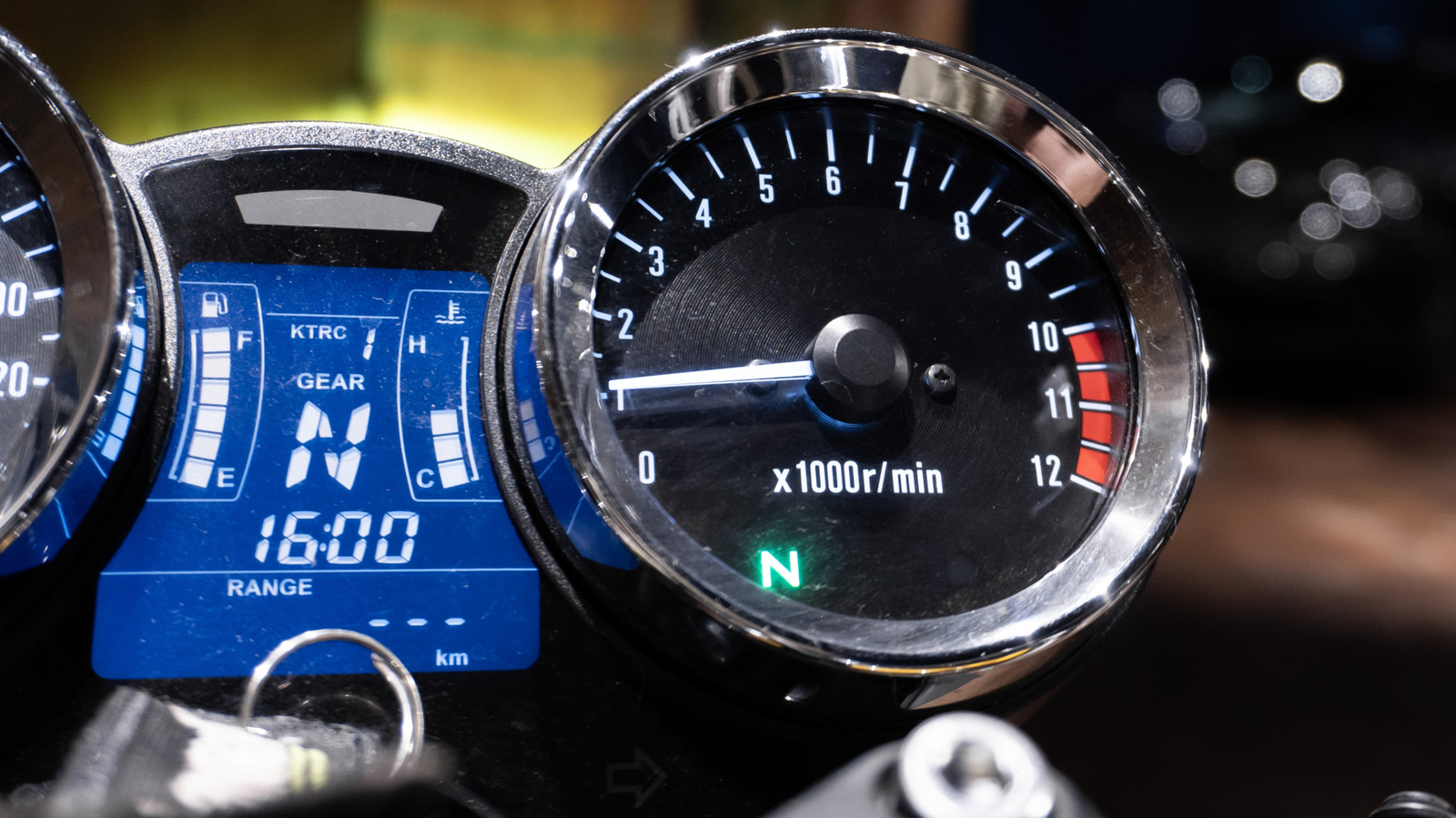
For many new riders, the motorcycle gear indicator can feel like a cryptic puzzle. Among the various symbols and numbers, the letter “N” is perhaps the most significant. Understanding what the “N” means on a motorcycle gear indicator is a fundamental skill for any operator, as it represents the neutral position—a state where no gear is engaged, allowing the engine to run without transferring power to the rear wheel.
As a technology editor, I often look at how mechanical systems translate into user feedback. In the world of motorcycling, this “N” acts as a critical safety and operational bridge. When the indicator illuminates, it confirms that the transmission is disengaged, providing the rider with the freedom to move the machine manually or allow the engine to idle at a standstill without the risk of the bike lurching forward upon clutch release.
The Mechanics of Neutral: Why It Sits Between First and Second
The placement of neutral within the standard motorcycle shift pattern—typically 1-N-2-3-4-5—is not a random design choice. It is an intentional engineering decision rooted in safety. Most modern motorcycles utilize a “one-down, four-up” (or more, depending on the transmission) configuration. This specific arrangement ensures that, during a high-stress situation requiring an emergency stop, a rider instinctively stamping down on the gear lever will land firmly in first gear rather than slipping into neutral.
If neutral were positioned at the bottom of the shift sequence, a rider slamming on the brakes during an emergency could inadvertently find themselves in neutral. This would immediately eliminate engine braking, a vital component of controlled deceleration. By forcing the rider to pass through neutral to reach first gear, manufacturers ensure that the motorcycle remains under power-train control during critical braking maneuvers. This design philosophy is a standard practice across the industry, ensuring consistency for riders moving between different makes and models.
Navigating the Shift Pattern
Engaging neutral requires a delicate touch. On most modern motorcycles, the rider must nudge the shift lever halfway up from first gear to find the neutral “gap.” Because motorcycle transmissions rely heavily on tactile feedback rather than the clear, gated pathways found in automotive manual transmissions, this process becomes second nature with practice. Some riders find it easier to click down into neutral from second gear while the bike is coming to a stop, though both methods are widely accepted.
Safety organizations and rider training programs consistently emphasize that riders should avoid coasting in neutral, particularly when navigating downhill sections. Coasting removes the ability to use engine braking to regulate speed and prevents the rider from quickly applying throttle to maneuver out of a potential hazard. Maintaining the bike in gear is essential for full control over the machine’s dynamics at all times.
The Evolution of Motorcycle Controls
While the standard gear layout is now a fixture of the global market, the history of motorcycle controls is marked by significant variety. In the mid-20th century, particularly within the United States, shift patterns were far from universal. Different manufacturers often employed proprietary layouts, which could prove dangerous for riders switching between brands. Over time, the industry moved toward the current, standardized “one-down, four-up” configuration to enhance rider safety and reduce the cognitive load associated with operating different machines.
Today, the inclusion of digital gear indicators on modern dashboards has further simplified the learning curve for beginners. These displays provide real-time verification of gear selection, acting as a helpful reference point while the rider develops the “feel” for the transmission. For those interested in the regulatory history of motorcycle safety standards, the National Highway Traffic Safety Administration (NHTSA) provides extensive resources on vehicle safety regulations and the evolution of control standards in the United States.
Practical Tips for New Riders
Developing a strong relationship with your motorcycle’s transmission is a rite of passage. Here are a few points to consider as you gain confidence on the road:

- Trust the Tactile: While the indicator is a helpful tool, practice feeling for the neutral notch with your foot. Developing this muscle memory is safer than relying solely on the dashboard light.
- Stay in Gear: Avoid the temptation to shift into neutral while rolling toward a stop sign or traffic light until you are fully stationary.
- Maintenance Matters: If you find it consistently difficult to find neutral, it may be a sign of clutch drag or a need for a cable adjustment. Always consult your owner’s manual for specific maintenance intervals.
As motorcycle technology continues to evolve, we may see more sophisticated rider-aid systems, but the fundamental mechanics of the gearbox remain a core element of the riding experience. Understanding the “N” is your first step toward mastering the machine.
For ongoing updates on motorcycle safety standards and technological advancements in the industry, readers are encouraged to monitor official releases from the Motorcycle Safety Foundation. Do you have questions about your bike’s transmission or gear indicators? Share your experiences in the comments section below—I’d love to hear how you mastered the shift pattern.
Keep reading