The landscape of corporate governance in Italy is undergoing a significant structural shift as new regulatory mandates aim to tighten the oversight of public funds. With the introduction of DPCM n. 84/2026, the Italian government has established a clearer, more rigorous framework for defining what constitutes “significant” public contributions and, crucially, what obligations follow for the entities receiving them.
For multinational corporations, institutional investors, and domestic firms operating within the Italian market, this decree represents more than a mere administrative update. It is a fundamental recalibration of the relationship between state-provided resources and private-sector accountability. By formalizing the thresholds for “significant” funding, the decree moves the country away from discretionary oversight toward a standardized, rules-based system designed to ensure that public resources are utilized in strict accordance with their intended purposes.
At the heart of this regulatory evolution is a focus on transparency and the integrity of corporate control bodies. As the government seeks to verify the efficient use of state aid, the responsibility for monitoring these flows is being redirected toward the very core of corporate governance: the statutory auditors. This move signals a broader European trend toward “conditionality,” where the receipt of public capital is increasingly tied to enhanced internal oversight and more stringent reporting standards.
Defining the Thresholds of “Significance”
One of the primary challenges in previous regulatory iterations was the lack of a precise definition regarding what amount of public funding triggered heightened state scrutiny. Ambiguity in such matters often leads to “regulatory creep,” where companies are unsure whether they fall under specific compliance regimes until an audit occurs. DPCM n. 84/2026 seeks to eliminate this uncertainty by establishing specific thresholds that define “significant public contributions.”
Once a company crosses these defined financial markers, it enters a new tier of regulatory obligation. Here’s not merely a matter of increased paperwork; it is a qualitative shift in how the company must manage its internal controls. The decree mandates that for entities meeting these criteria, the oversight of public funds must be integrated into the broader corporate governance framework, ensuring that the utilization of state resources is transparent to both shareholders and public regulators.
The implementation of these thresholds is intended to provide a predictable environment for businesses. By knowing exactly when the “significance” trigger is pulled, firms can proactively adjust their compliance protocols, allocate necessary resources for auditing, and avoid the sudden imposition of oversight requirements that could disrupt operational stability.
The Governance Shift: The Role of the Statutory Auditor
Perhaps the most consequential aspect of the new decree is its impact on the appointment and mandate of control bodies, specifically the collegio sindacale, or the board of statutory auditors. Under the new rules, the presence of significant public funding is now a decisive factor in determining the composition and scope of these oversight bodies.
Historically, the collegio sindacale has been responsible for ensuring that a company’s management adheres to the law and the company’s own bylaws. However, DPCM 84/2026 expands this lens. When a company is a significant recipient of public funds, the statutory auditors are tasked with a dual responsibility: they must monitor not only the financial health and legal compliance of the firm but also the specific adherence to the conditions attached to the public contributions.
This expansion of duties means that the expertise required within these control bodies may need to evolve. Firms may increasingly look for auditors with specialized knowledge in public law, state aid regulations, and the specific compliance requirements of government-backed grants. This shift effectively places the collegio sindacale as the primary line of defense against the mismanagement of public resources, bridging the gap between private corporate interest and public accountability.
Ensuring Legal Certainty: The Principle of Non-Retroactivity
In any major regulatory overhaul, the question of “retroactivity” is paramount. Business leaders and legal counsel often express concern that new, more stringent rules might be applied to past actions, creating unforeseen liabilities and legal instability. Addressing this concern directly, the current regulatory framework clarifies that control over contributions cannot be applied retroactively.

This principle of non-retroactivity is a cornerstone of legal certainty in Italy. It ensures that companies are judged by the rules that were in place at the time the contributions were received and utilized. By explicitly stating that the new oversight mechanisms and thresholds under DPCM 84/2026 do not reach back into the past, the government provides a vital safeguard for investors and management teams.
This distinction is critical for maintaining investor confidence. It allows for a “clean break” between the old regulatory regime and the new one, permitting companies to plan their future compliance strategies without the shadow of potential retrospective penalties for historical funding usage. It reinforces the idea that while the state is increasing its vigilance, it is doing so within a predictable and fair legal framework.
Implications for International Investors and Compliance
For the global investment community, the new decree necessitates a closer look at the “governance risk” profile of Italian companies, particularly those in sectors heavily reliant on state support, such as energy, infrastructure, and technology. The ability of a company to navigate these new transparency requirements will likely become a key metric in assessing its long-term stability and regulatory compliance.
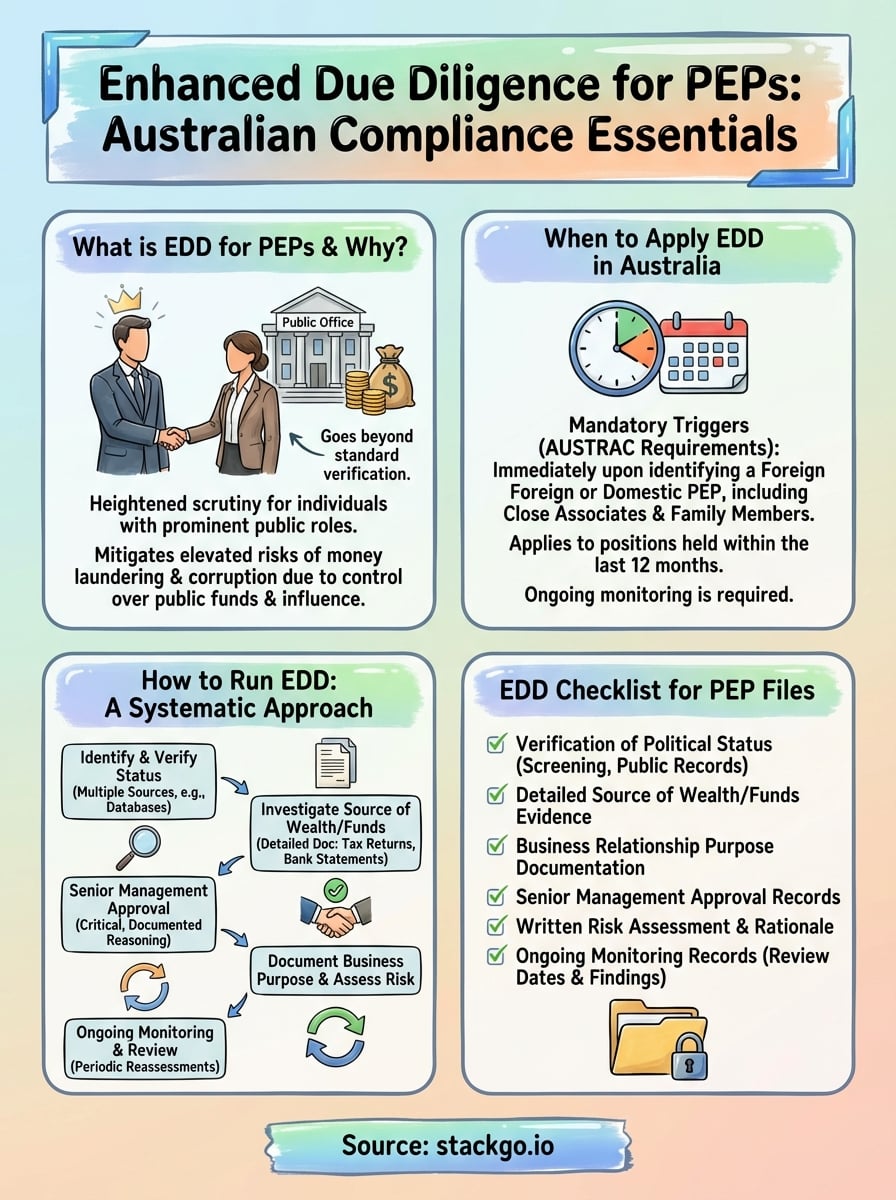
Key implications include:
- Enhanced Due Diligence: Investors must now account for the specific thresholds of public funding a target company holds and the subsequent impact on its governance structure.
- Increased Compliance Costs: Companies meeting the “significance” threshold will likely face higher administrative and auditing costs as they strengthen their internal control systems.
- Governance Transparency: The role of the statutory auditor becomes a more critical component of a company’s ability to demonstrate responsible stewardship of public capital.
As the implementation of DPCM 84/2026 progresses, the focus will shift from the definition of the rules to the practicalities of their application. Companies will need to ensure that their internal reporting systems are robust enough to provide the granular data required by both statutory auditors and, potentially, state verification bodies.
Key Takeaways: DPCM 84/2026
| Feature | Regulatory Impact |
|---|---|
| Threshold Definition | Establishes clear financial markers for “significant” public funding. |
| Control Bodies | Expands the oversight mandate of the collegio sindacale (statutory auditors). |
| Non-Retroactivity | Ensures new oversight rules do not apply to past fund utilization. |
| Verification Focus | Prioritizes the verification of how public resources are actually used. |
The next critical checkpoint for businesses will be the formal publication of the technical implementation guidelines, which will detail the exact mathematical formulas and reporting templates required to comply with the new thresholds. Stakeholders should monitor official government gazettes and regulatory filings for these specific technical parameters.
What are your thoughts on the impact of increased state oversight on private sector agility? Share your analysis in the comments below and share this article with your network.
Worth a look